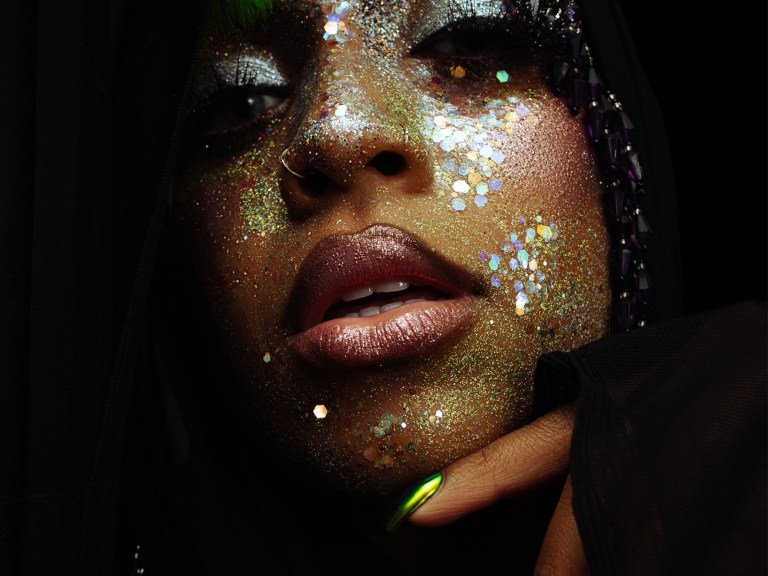
Atlanta-based artist Neila is entering a bold new era with her latest single, “Deity”. Originally from South Florida, Neila continues to carve out her own lane by blending smooth R&B and Pop with subtle Caribbean influences that reflect her heritage, creating a sound that feels both fresh and deeply personal.
“Deity” is a sensual, confidence-driven anthem centered around divine feminine energy, self-worth, and empowerment. The track encourages listeners to embrace their power, recognize their value, and fully step into the energy of being desired, chosen, and celebrated.
With intentional healing instruments played by Neila herself, the record carries an elevated, almost spiritual essence, balancing softness with strength. Electric guitar from Spree Wilson adds a soulful edge, giving the track an undeniable richness and dynamic bounce. The result is a song that feels equally at home in the club, on a late-night drive, or during moments of self-reflection.
Neila’s ability to fuse empowering themes with polished, vibey production makes “Deity” more than just a song, it’s an experience. As she continues to rise, this release marks another strong step in establishing Neila as an artist to watch. “Deity” invites listeners to tap into their confidence, own their magic, and move like the powerful force they are.
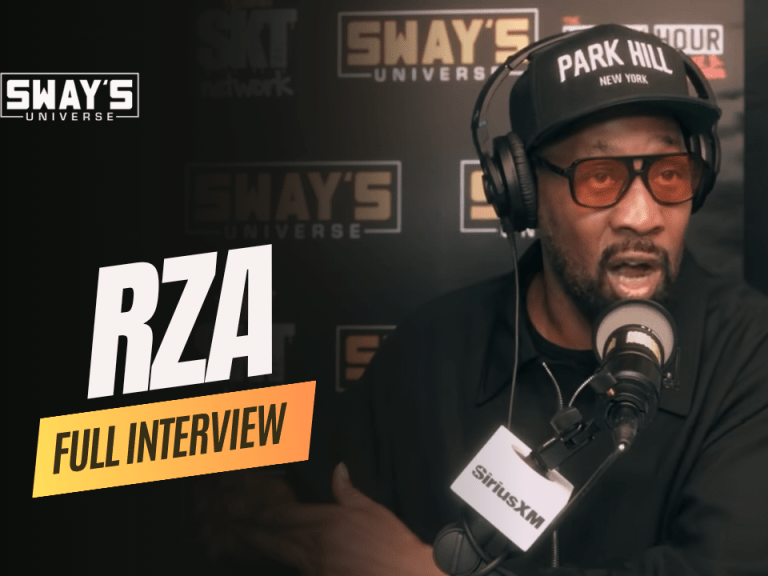
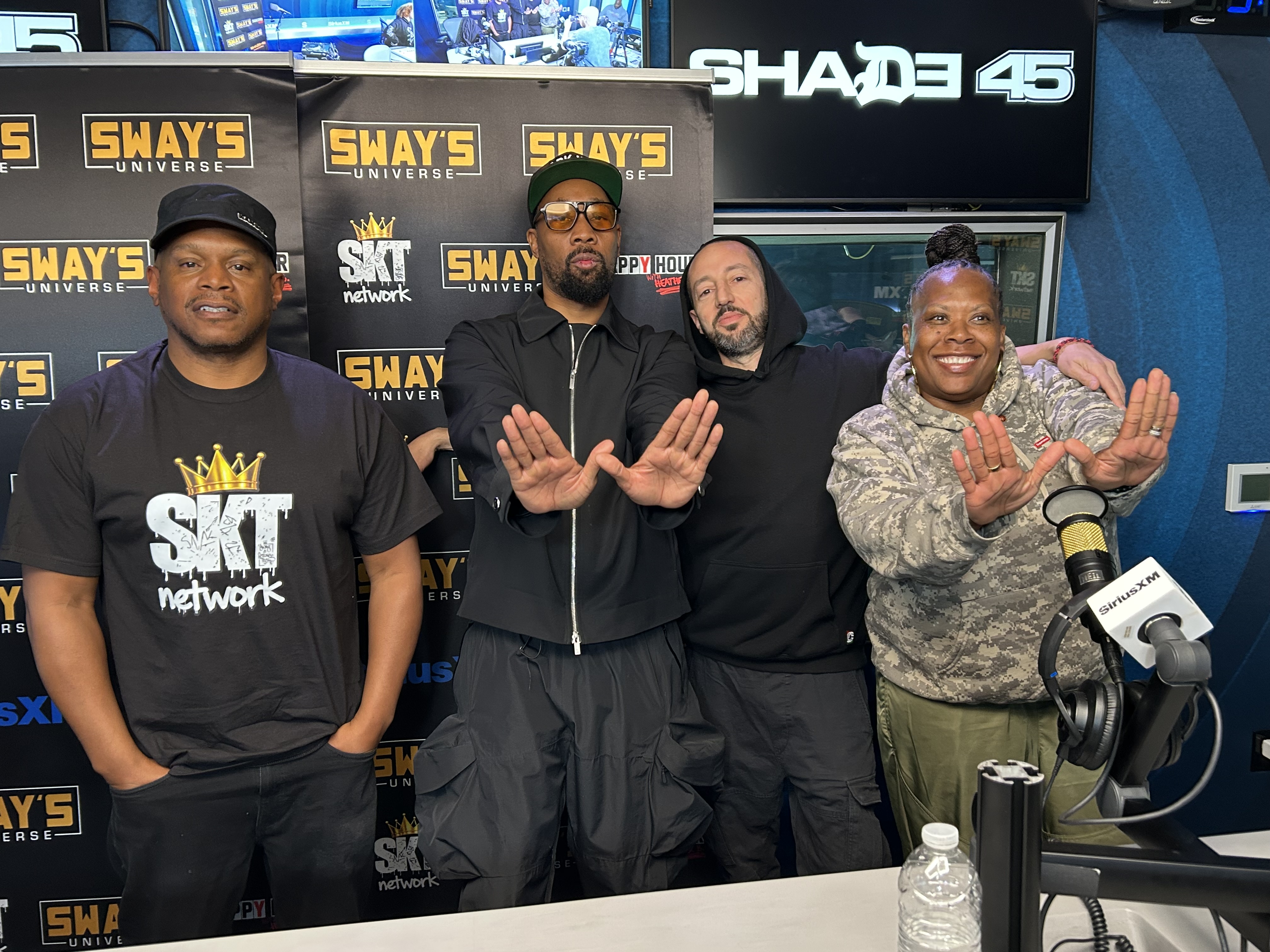
When a legend like RZA—the mastermind behind the Wu-Tang Clan, a Rock and Roll Hall of Fame inductee, and one of the most influential producers in music history—declares a new creative peak, the world listens. Recently, on Sway in the Morning, the energy was electric as Sway Calloway sat down with the man often referred to as “The Abbot” to discuss his latest masterpiece: the film One Spoon of Chocolate.
Premiering on May 1st, this isn’t just another movie; it’s a total creative labor of love. RZA didn’t just show up to set; he wrote, directed, produced, distributed, and even scored the film. It represents a culmination of a career built on empowerment, expansion, and a relentless drive to uplift the culture. For RZA, this project is the ultimate expression of his artistic philosophy, and he’s hitting the pavement to ensure the world sees it.
The Hands-On Hustle: Why RZA is Still Pounding the Pavement
One might wonder why a man with a “sealed and cemented” legacy is out at four in the morning, visiting radio stations and doing ground-level promotion. Sway pointed out that RZA is handling everything hands-on, a rarity for an artist of his stature. RZA’s response was simple yet profound: art is meant to be shared.
“I create art nowadays just to share,” RZA explained. “When you’re trying to just share art, you want to make sure that it is shared. It ain’t something we keep to ourselves.”
This mindset marks a significant shift from the early days of a recording artist’s career, where the focus is often on competition and “getting mine.” For RZA, the current phase of his life is about service. He views himself as a vehicle for the art, an instrument that must let the music and the vision flow through him to reach others.
The Value of Time Over Money
A recurring theme in the conversation was the idea that energy and time are more valuable than money. RZA shared a powerful analogy about the economics of art. He posited that even if a project costs you a significant portion of your potential earnings just to produce and promote, the investment is worth it because of the “accumulation” of something greater than currency.
“Money goes,” RZA noted, “but life is about creating memories—not just for yourself, but the memories you create for others.” By spending two hours in a theater watching One Spoon of Chocolate, an audience member might have a life-changing experience. To RZA, providing that moment is worth more than any economic reward.
Cinema: The Ultimate Artistic Outlet
While RZA has conquered the world of hip hop and excelled as an actor, he views filmmaking as the most complete form of creative expression. When asked why cinema fulfills him in a way that music alone might not, he highlighted the collaborative and multi-sensory nature of the medium.
In film, an artist must master:
Visuals and Set Design: Creating the world the characters inhabit.
Costumes and Dialogue: Building the identity and voice of the story.
Music and Scoring: Setting the emotional tone of every scene.
Emotional Range: Balancing comedy, drama, fear, and love.
“For me as an artist, it’s the best outlet of combination of all my art,” RZA shared. He even mentioned that his former mentor, the legendary Quentin Tarantino, once told him that “the student has become a master.” Today, RZA uses cinema as the canvas to tell his hip hop stories and channel the same energy that fueled the Wu-Tang Clan into a visual legacy.
The Evolution of a Man: From the Hood to the Big Screen
The conversation took a nostalgic turn as Sway and RZA discussed the evolution of the Wu-Tang members, specifically Method Man. RZA revealed that he always saw his brothers as “superheroes or mutants,” comparing his role to a real-life Professor X who recognized their special abilities before the rest of the world did.
Watching Method Man transition from a focused lyricist to a versatile actor and leading man has been a point of pride for RZA. He emphasized that “the evolution of a man is everything.” In the neighborhood, there is often pressure to “keep it real” by staying the same, but RZA argues that true reality is found in growth. Method Man’s ability to evolve and embrace his “glory” on screen is a testament to the philosophy RZA promotes in his new film.
Key Takeaways from RZA’s Philosophy
Art is a Gift: Don’t create just for yourself; create to share and impact others.
Invest in Memories: Prioritize the experiences you create over short-term financial gain.
Embrace Evolution: Don’t let the pressure of “staying real” prevent you from growing into a better version of yourself.
Master Your Craft: Use every tool at your disposal—visual, auditory, and emotional—to tell your story completely.
Where to Watch “One Spoon of Chocolate”
RZA is aiming for a massive theatrical release, with plans to hit about 1,000 screens across the country. He encouraged fans to support the film in theaters to ensure that independent, visionary art continues to have a place on the big screen.
You can find One Spoon of Chocolate starting May 1st at major theater chains, including:
AMC Theatres
Regal Cinemas
Cinemark
A Shift Toward Positivity
As the interview wrapped up, the room reflected on a “shift” that RZA has been predicting—a move toward positivity, goodness, and intentionality in art. One Spoon of Chocolate is more than just a movie title; it’s a representation of this new energy. RZA isn’t wasting words or time; he is focused on dropping “gems” that can help his audience navigate their own lives.
Whether you are a lifelong fan of the Wu-Tang Clan or a lover of independent cinema, RZA’s latest journey is one to follow. By supporting One Spoon of Chocolate in theaters this May, you aren’t just watching a film—you’re participating in the continued evolution of one of the greatest thinkers of our time. Bong bong!
Cornfed Ted is moving with intention bringing together music, culture, and lifestyle in a way that feels authentic to who he is and what he’s building.
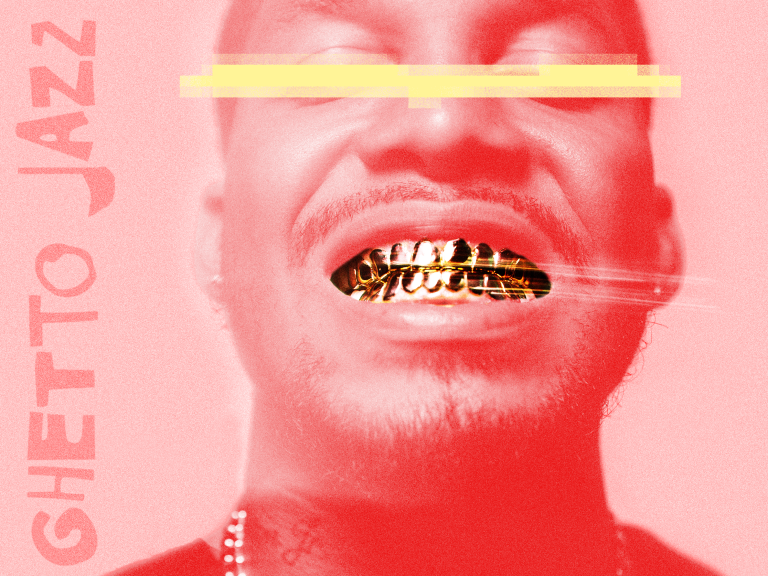
He’s officially dropped Ghetto Jazz 2, a 12 track project that leans deeper into his signature sound: soulful, reflective, and rooted in real-life perspective. This album is exactly what the title suggest, a fusion of smooth, jazz-inspired cadence layered with grounded, street-rooted lyricism. Ted creates a soundscape that feels elevated but still connected to real-life experiences, balancing laid-back production with storytelling that carries weight.
It’s the kind of music that rides easy but still says something blending smooth production with storytelling that speaks to both the streets and personal growth. The project feels like a natural progression, showing where he’s at now without losing what people connected to in the first place.
Beyond the music, Ted continues to build out his brand Teds Budz Goods positioning it as more than just cannabis brand but an extension of his world. That same laid-back but intentional energy carries through everything he touches.
Ghetto Jazz 2 really sits in that pocket: elevated, honest, and easy to vibe to. It’s not just about the moment, More than anything, this project captures a mood. It’s music that feels intentional but not forced, soulful without losing its edge. It,confident in its lane, letting the sound and message speak for themselves.
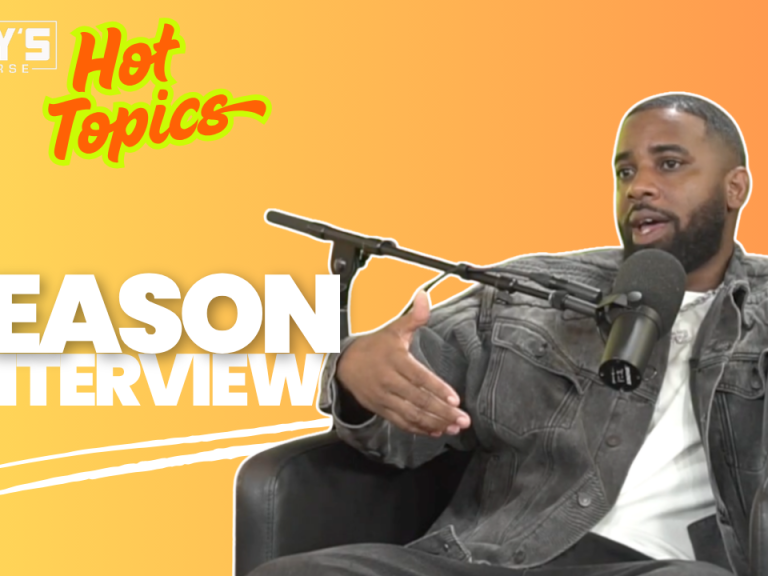
In the latest episode of Sway’s Universe Hot Topics, host Khrissy B sits down with hip-hop heavyweight Reason for an intimate and revealing conversation. Having tracked his journey for over eight years—from his early days signing with Top Dawg Entertainment (TDE) to his current status as a powerhouse independent artist—Khrissy digs deep into what has changed for the rapper, both publicly and privately.
The interview serves as a masterclass in artist evolution, the importance of creative freedom, and the gritty reality of hip-hop’s competitive landscape. Reason doesn’t hold back, discussing everything from his public split with TDE to the adrenaline-fueled moments behind his involvement in the “Dead Apple” rap beef.
Falling Back in Love with the Craft
One of the most poignant moments of the discussion occurs when Reason reflects on his emotional state during his transition. For many fans, the move to independence seemed like a business decision, but for Reason, it was a spiritual necessity. He admits that during the latter part of his previous tenure, he had actually fallen out of love with making music.
“It started to literally feel like a job,” Reason explains. “I didn’t feel like how I felt when I was in my room searching for YouTube beats and typing in ‘J. Cole type beat.’ I used to love that feeling, and I didn’t feel that way anymore.”
Today, that spark has returned. He describes a newfound sense of freedom where he can write a record like “Doing Too Much” (featuring Eric Bellinger and Isaiah J) and have it out to the fans within two weeks. This agility has turned his work back into a passion project rather than a corporate obligation. When you’re in the studio for fourteen hours now, it doesn’t feel like a shift—it feels like a dream.
The Autonomy of the Independent Artist
Reason uses a powerful metaphor to describe his current career phase: “It’s my car.” In the major label system, an artist often feels like a passenger or a co-pilot, waiting for a green light from a committee. Now, Reason is the one behind the wheel, setting aggressive deadlines and hitting them with his team.
Why Fans Prefer the “Indie” Reason
While many artists fear that leaving a major powerhouse like TDE might alienate their fanbase, Reason has experienced the exact opposite. He notes that the consistent output of music has silenced the skeptics. In today’s fast-paced digital landscape, consistency is the currency of the realm.
Community Building: Unless you are a global household name, you cannot afford long hiatuses. You must keep your community “fed.”
Visibility: Dropping music consistently keeps an artist in the public consciousness, making their presence felt “outside” in the real world.
Financial Impact: In the streaming era, silence reflects directly in the numbers and the bank account.
Reason points out that during his three or four-year hiatuses, he could move through Los Angeles almost unnoticed because there was nothing new to talk about. Now, with a steady stream of releases, the love and engagement from the streets have reached an all-time high.
The “Dead Apple” Breakdown: Joey Bada$$ vs. Ray Vaughn
No conversation with Reason would be complete without addressing the “Dead Apple” moment. Hip-hop fans were enthralled by the lyrical sparring involving Joey Bada$$ and Ray Vaughn, and Reason found himself right in the thick of it. Khrissy B, a self-proclaimed East Coast enthusiast, admits she was shocked by the outcome.
Reason provides a candid look at his perspective on the battle. He admits that he initially underestimated Joey Bada$$, believing Ray Vaughn would “walk” the competition. “I was wrong,” Reason confesses. “Joey turned that East Coast shit on, and he did his homework.”
The Importance of Preparation
The takeaway from the Joey Bada$$ situation was clear: Preparation is everything. Reason believes that while Ray Vaughn is an incredible rapper, Joey approached the battle with a level of study and strategy that gave him the edge. It serves as a reminder that in the rap game, talent is only half the battle; knowing your opponent is the other half.
“I’m Pressed”: The Studio Lockdown
When Joey Bada$$ mentioned Reason’s name in a Red Bull Cypher, the reaction was instantaneous. Reason recalls the day vividly—he canceled his entire schedule and headed straight to the studio. This resulted in the high-energy response that fans praised for its “New York energy” despite Reason’s West Coast roots.
“I can’t just sit this one out,” Reason says. “If he says my name, I’m on him ASAP.” He describes being in a “different space” during that recording session, a zone of pure competitive fire that even his closest associates found intense. It was about standing on his word and defending his position in the culture, regardless of his label status.
The Shift in the Mecca: West Coast vs. East Coast
Reason touches on a controversial topic in hip-hop: the shifting center of gravity for the genre. He argues that the West Coast has effectively taken over as the Mecca of hip-hop, a reality he feels many East Coast traditionalists are reluctant to admit.
He compares the resistance to the “Old Head” vs. “New Era” debate in basketball. Just as veterans might struggle to place LeBron James in the same category as Michael Jordan, hip-hop purists struggle to acknowledge the West’s current dominance. Reason attributes this partly to a lack of “torch-passing” in New York.
The New Wave of MCs
Despite his critique, Reason expresses excitement for the new generation of New York rappers who are building their own waves without necessarily relying on the OGs. He name-drops several artists to watch:
Life of Toms
Kai Cash
Chris Patrick
However, he maintains that the West Coast currently holds the title for “real rappers” who are consistently pushing the culture forward, citing names like Boogie and Simba as evidence of the region’s lyrical depth.
Key Takeaways for Artists and Fans
Passion Over Profit: If the work starts feeling like a chore, it’s time to re-evaluate your environment. Creative freedom often leads to better output.
Independence Requires Discipline: Being “the driver of your own car” means you have to be the one setting the deadlines and pushing the pace.
Consistency is King: In the modern era, staying active is the best way to maintain a loyal community and ensure financial stability.
Respect the Game: Whether it’s a freestyle or a full-blown beef, preparation and “doing your homework” are what separate the winners from the losers.
Reason’s journey from a major label standout to an empowered independent force is a testament to the evolving nature of the music industry. By prioritizing his love for the craft and his connection with his fans, he has managed to navigate a public transition with grace and renewed energy. Whether he’s dropping soul-stirring tracks or jumping into the lyrical fire of a rap battle, Reason remains one of the most compelling voices in the game today. As the “Mecca” of hip-hop continues to shift, one thing is certain: Reason will be at the forefront, driving his own car at full speed.
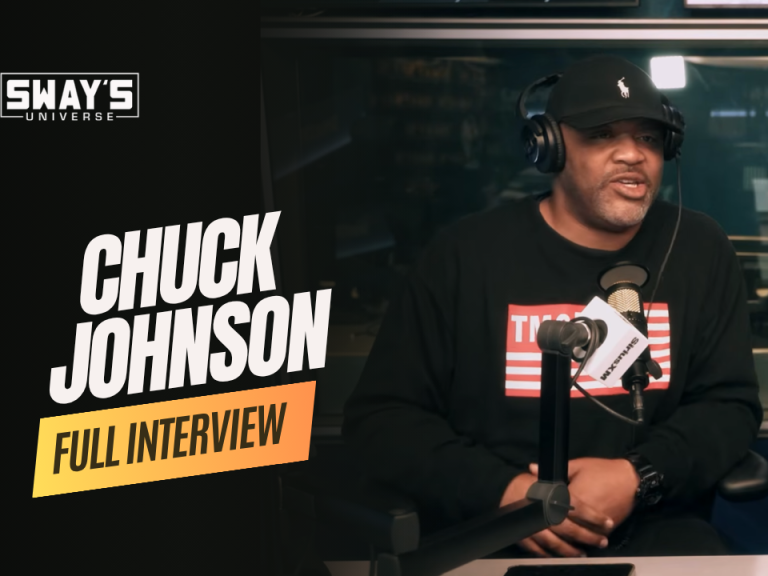
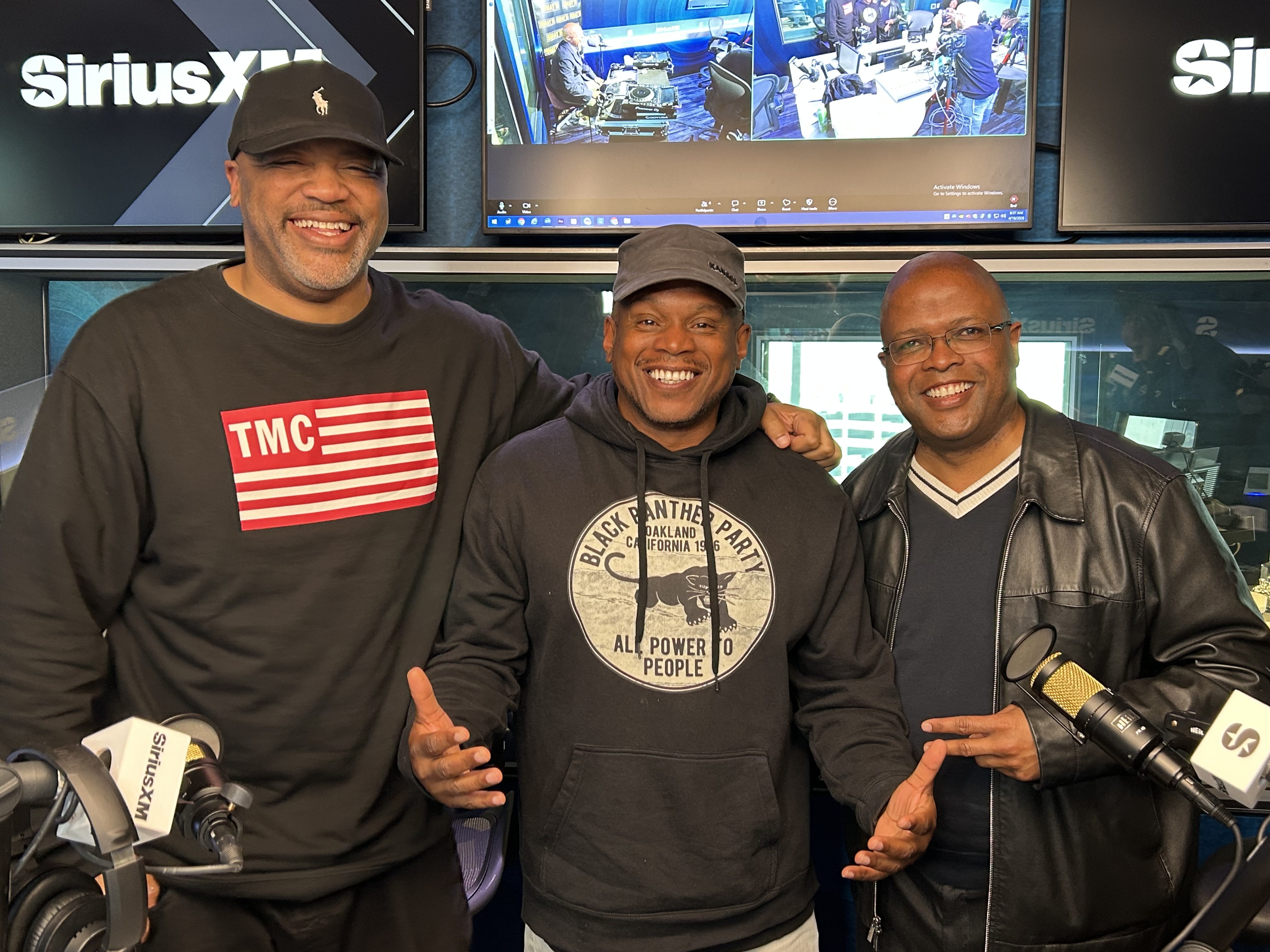
When we talk about the architects of hip-hop culture, the conversation often centers on the artists who grabbed the mic. But behind the scenes, there were pioneers building the platforms that allowed those voices to be heard worldwide. One such legend is Chuck Johnson, a man whose influence on the Bay Area and the global hip-hop landscape cannot be overstated. As the power behind the iconic platform Soulbeat, Johnson didn’t just witness history—he broadcasted it.
For decades, Johnson has been a silent engine in the industry, interviewing everyone from The Fugees and Erykah Badu to Master P, Fat Joe, and Goody Mob. His resume reads like a “who’s who” of hip-hop royalty, and his work as a producer on BET’s legendary Hyphy Week helped cement the Bay Area’s unique sound in the national consciousness. But to understand the true weight of his legacy, you have to look back at how he helped create a media empire out of thin air when the traditional resources simply weren’t available.
The DNA of Hip-Hop Television: Soulbeat’s Global Influence
There is a specific lineage to hip-hop television that many fans might not realize. Most people point to Yo! MTV Raps as the catalyst for the genre’s mainstream success. However, Yo! MTV Raps likely wouldn’t exist without Ralph McDaniels and his groundbreaking show, Video Music Box. And as it turns out, the inspiration for Video Music Box can be traced directly back to Oakland and Chuck Johnson’s Soulbeat.
During a candid discussion, Johnson shared a story from Ralph McDaniels’ birthday party at the Brooklyn Bowl. McDaniels admitted that after visiting Oakland for the “Fresh Fest” and witnessing the power of Soulbeat, he was inspired to develop Video Music Box in New York. This revelation places Soulbeat at the very top of the family tree for hip-hop video programming. While the East Coast often gets the credit for being the birthplace of the culture, the televised revolution had a massive heart beating in the Bay Area as early as 1978.
The Detroit-Oakland Connection and Black-Owned Media
The history of Soulbeat is also a history of Black ownership in media. Johnson traces the roots back to WGPR Channel 62 in Detroit, which was the first Black-owned television channel in the United States. Only three years after WGPR launched, Johnson utilized his relationship with them to create Soulbeat in 1978.
This created a unique cultural exchange—a “cousin” relationship between Detroit and Oakland. The two cities began trading content: Detroit programming would air in Oakland, and Oakland’s burgeoning hip-hop scene would air in Detroit. This early network of Black-owned media provided a blueprint for how marginalized communities could bypass traditional gatekeepers and speak directly to their audience.
The “Mr. Miyagi” of Media Mentorship
Chuck Johnson didn’t just build a station; he built a school for the next generation of media professionals. He describes his mentorship style through the lens of The Karate Kid, playing the role of Mr. Miyagi to many “Daniel-sans” in the industry. He famously put his interns through rigorous trials, forcing them to learn every facet of the business, including:
Video Editing: Understanding the rhythm and flow of visual storytelling.
Program Directing: Learning how to curate content that resonates with a specific demographic.
Hosting: Developing the ability to have authentic conversations with artists while preserving the essence of the culture.
Production Value: Transitioning from local cable access to high-level union work for the Super Bowl and World Series.
By making his proteges learn the “chops” of the game, Johnson ensured that the legacy of Soulbeat would live on through the professionals he trained, many of whom went on to work for major networks like Fox Sports and CBS.
Beyond the Music: Hip-Hop, Politics, and Community
One of the most fascinating aspects of Chuck Johnson’s career is his transition from music media to political consultancy and community liaison work. Often referred to as the “Hip-Hop Mayor,” Johnson worked closely with Oakland City Hall, serving as a bridge between the street culture and the political establishment.
He shared a pivotal story involving Too Short that illustrates the hidden depth of hip-hop figures. While at a recording studio surrounded by the typical trappings of the rap lifestyle, Too Short unexpectedly turned to Johnson and asked, “Chuck, what’s up with them politics?” This sparked a movement. Too Short and Mistah F.A.B. became involved in Johnson’s “Wake Your Game Up” voter registration campaign, proving that the influence of hip-hop could be harnessed for civic engagement and social change.
The Competitive Landscape of the 90s
The discussion also touched on why Soulbeat didn’t always get its flowers from national outlets like MTV. Johnson suggests that it came down to commercial competition. Soulbeat wasn’t just a local show; it was a competitor for advertising dollars and inventory. While outlets like the California Music Channel (CMC) were also in the mix, Soulbeat’s commitment to playing a diverse range of hip-hop—not just West Coast “slaps” but also New York and Southern rap—made it a unique threat to the emerging national monopolies.
Key Takeaways from Chuck Johnson’s Legacy
Ownership is Key: Soulbeat’s success was rooted in the foundation of Black-owned media established by WGPR in Detroit.
The Bay Area Was First: Oakland’s Soulbeat served as the primary inspiration for New York’s Video Music Box, which in turn birthed Yo! MTV Raps.
Mentorship Matters: Building a platform is only half the battle; training the next generation to run it is what ensures a lasting legacy.
Hip-Hop is Political: The influence of artists like Too Short can be a powerful tool for voter registration and community advocacy when guided by experienced liaisons.
Preserve the Essence: Successful media isn’t just about playing what’s popular; it’s about having a conversation with the culture and maintaining its integrity.
Honoring the Pioneers
Chuck Johnson’s story is a reminder that hip-hop is more than just music—it is a sophisticated ecosystem of media, politics, and community building. From the early days of trading tapes with Detroit to helping organize Tupac Day (a day of service and benefit for the Tupac Amaru Shakur Foundation), Johnson has remained a steadfast guardian of the culture.
As we look back at the history of the Bay Area’s rise, it is essential to give flowers to the “connectors” like Chuck. Without the resources of the major markets, the Bay Area created its own, and in doing so, it changed the face of television forever. Whether he was acting as a media consultant at City Hall or teaching an intern how to edit a music video, Chuck Johnson’s “hip-hop prowess” has left an indelible mark on the world.
Stay tuned for more deep dives into the history of the pioneers who built the culture from the ground up.
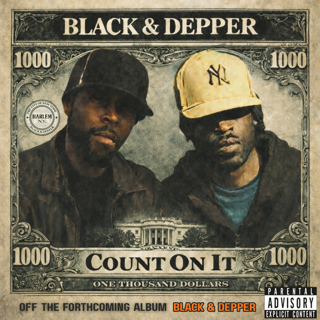
This track also marks the fifth anniversary of Black Rob’s passing, serving as a tribute that highlights loyalty, legacy, and the bond the two artists built during their time under Bad Boy Records.
“Count On It” is the first release from their upcoming collaborative album Black & Depper, expected later this year. The record leans into the chemistry that defined their earlier work, bringing back a classic, street-centered perspective that both artists have long been known for.
Both Black Rob and G. Dep played key roles in shaping the Bad Boy era at its peak. Black Rob, best known for his hit “Whoa,” built a reputation as a sharp storyteller with a distinct voice, while G. Dep introduced his own gritty style on Child of the Ghetto, a project that featured heavy production and appearances from some of hip-hop’s most respected names.
With “Count On It,” the pair reconnect their histories into one record that feels reflective as much as it is forward-looking. Black & Depper is set to continue that energy, expanding on their shared catalog and the legacy they helped build together.
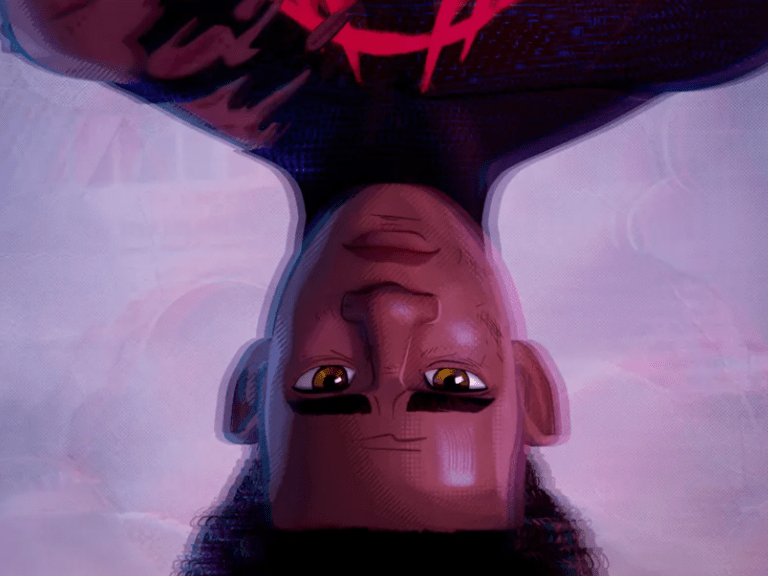
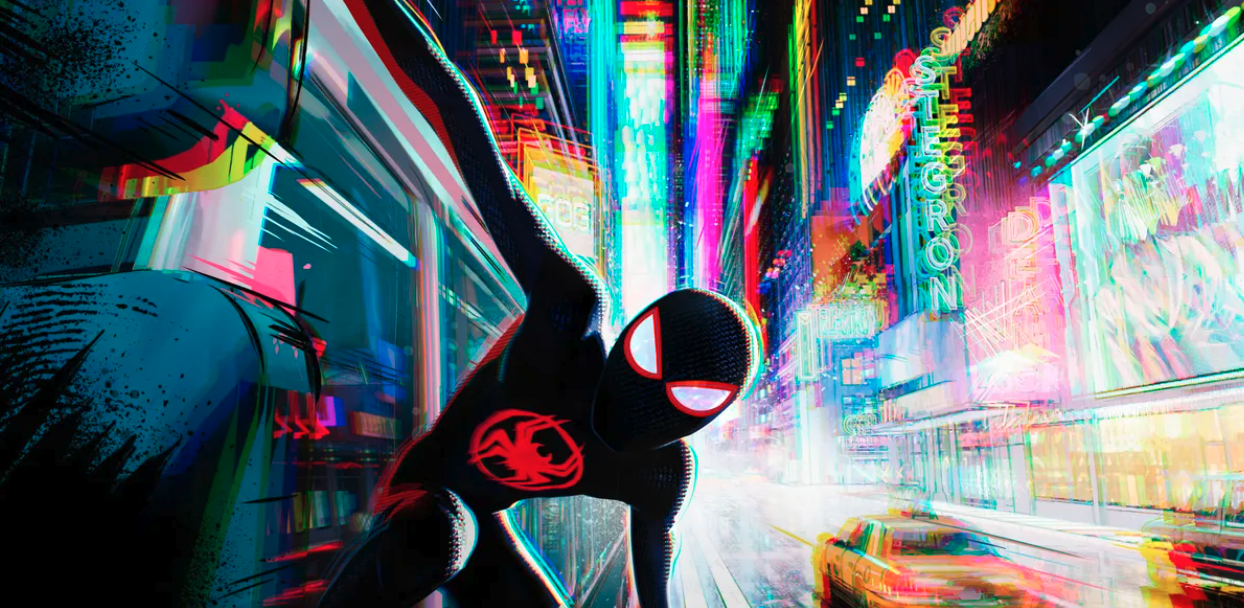
The highly anticipated Spider-Man: Beyond the Spider-Verse first look images have finally dropped, teasing an emotional and high-stakes finale for Miles Morales. Slated for a June 18, 2027 release, this trilogy capper promises to dig deep into family legacy, community support, and the ultimate fight to protect loved ones across the multiverse.
Sony Pictures Animation unveiled these stunning visuals during CinemaCon. Fans are already buzzing about how the animation studio continues to push boundaries while keeping the core focus on authentic, diverse storytelling.
A Heartfelt Journey for Miles Morales
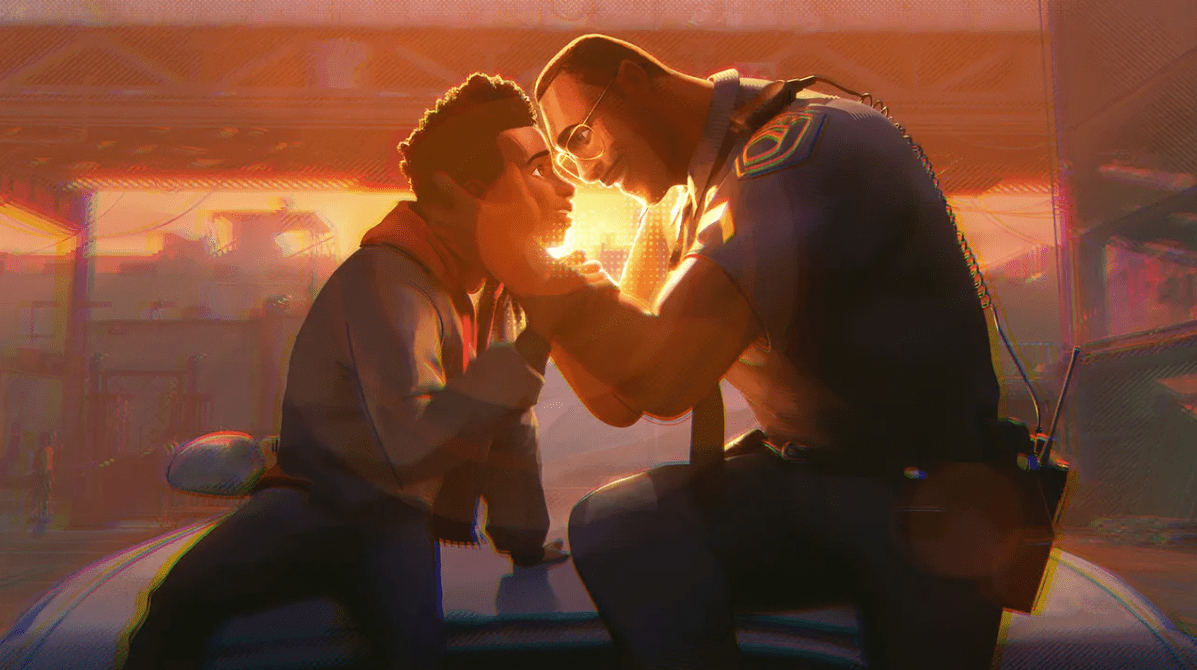
Picking up immediately from the cliffhanger ending of Across the Spider-Verse, Miles Morales finds himself navigating a severely fractured multiverse. One of the most striking visuals released shows Miles sharing a quiet, golden-hour moment with his father, Jefferson Davis.
This scene beautifully highlights the emotional core driving the story. Miles’ journey has always been deeply rooted in his community and his family. The franchise consistently challenges societal norms by centering a young Afro-Latino hero who draws strength from his roots, his culture, and his profound capacity for love.
The Importance of Family and Legacy
Flashback imagery featuring a younger Uncle Aaron—voiced by the incredible Mahershala Ali—suggests the film will further explore family history. These glimpses into the past remind us how generational trauma and family bonds shape who we become.
[Image: A beautifully stylized animation still of Miles Morales and his father talking on a rooftop at sunset. ALT Text: Beyond the Spider-verse first look showing Miles Morales and Jefferson Davis]
Looming Danger and the Fight for Autonomy
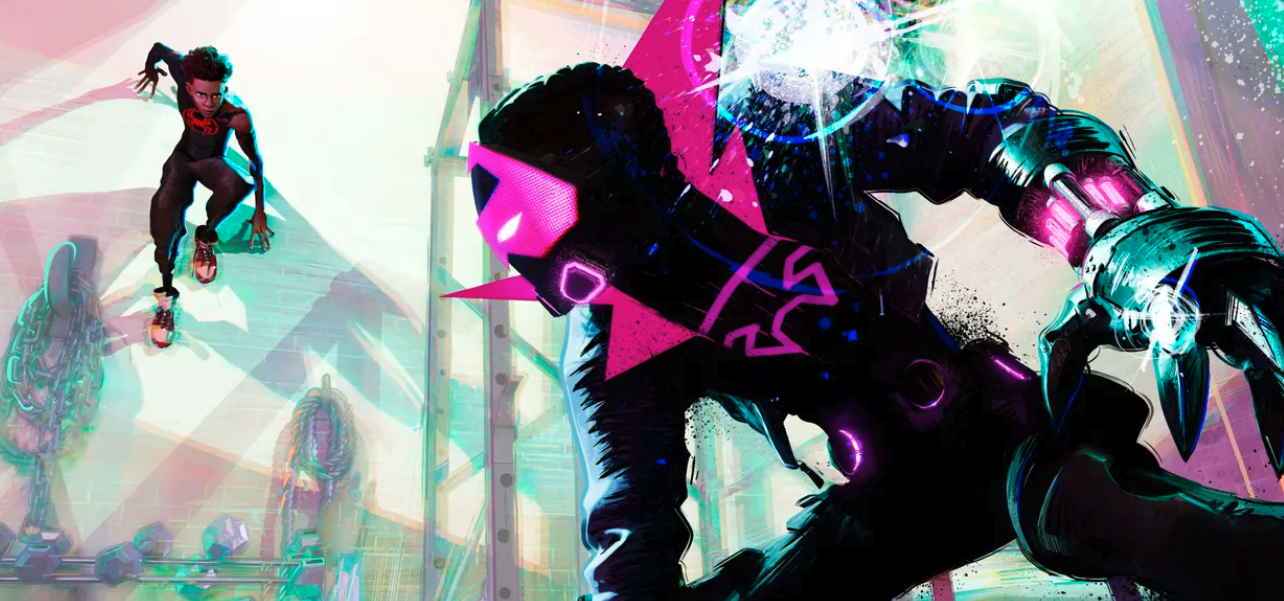
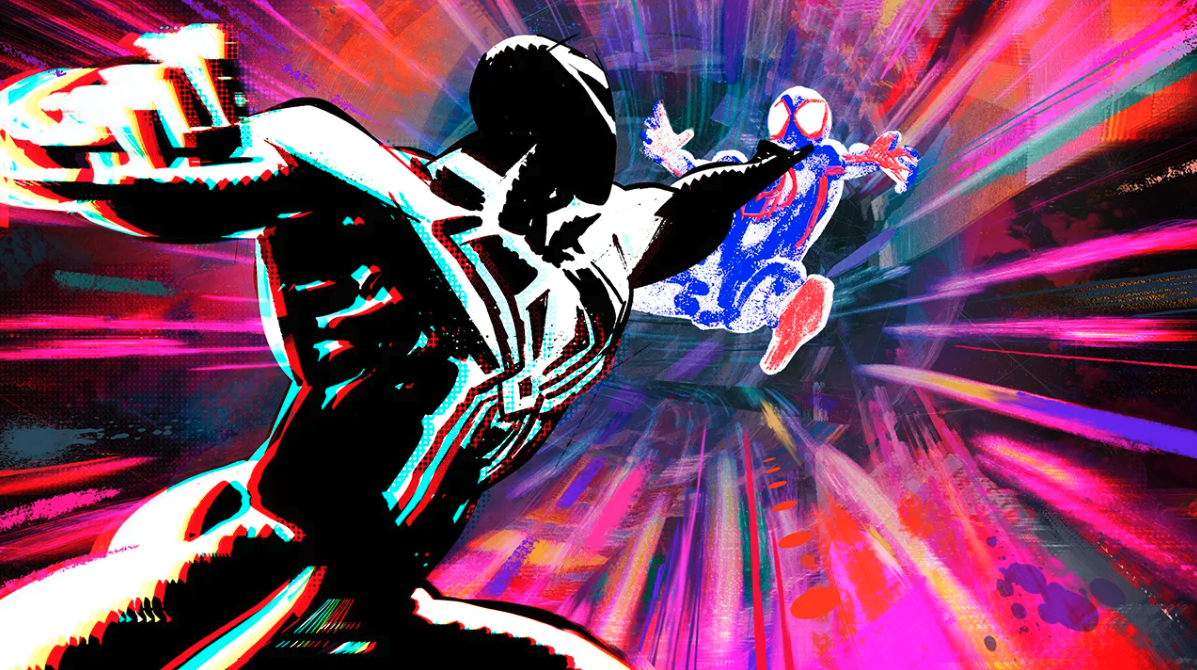
The Beyond the Spider-Verse first look images also tease a fierce confrontation. Miguel O’Hara appears incredibly menacing, closing in on Miles with a glitching, aggressive presence. Miguel represents the rigid structures and so-called “canon events” that seek to dictate our destinies.
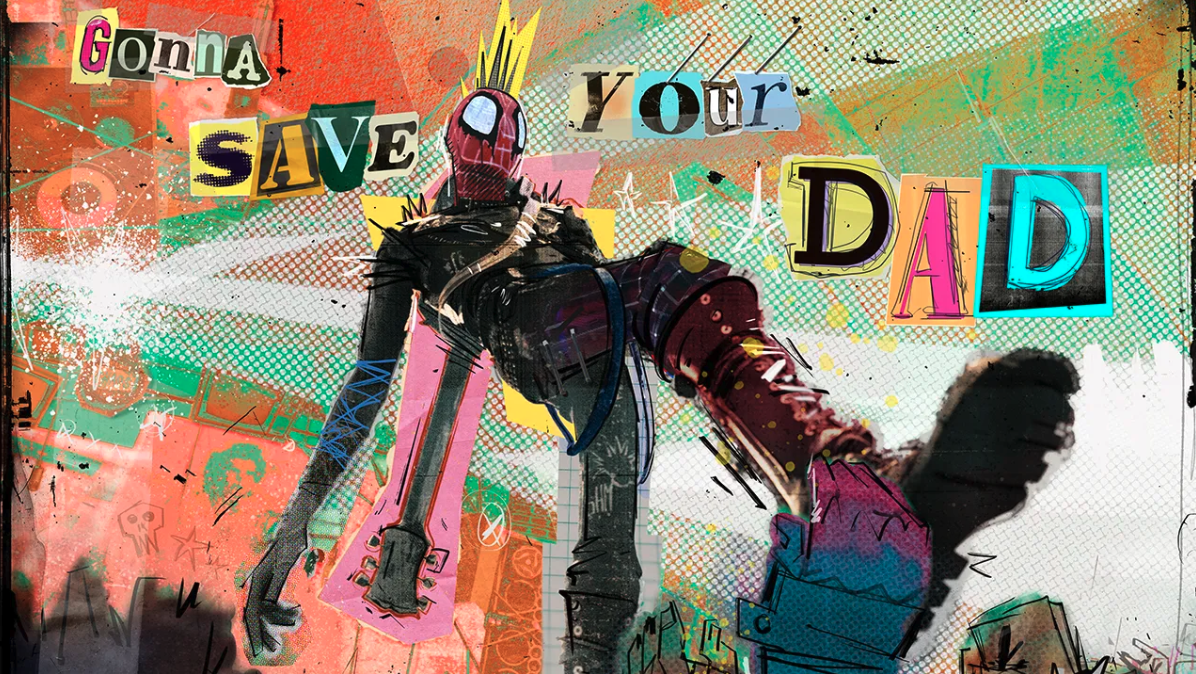
Miles, however, is fighting for his autonomy. He refuses to accept that tragedy is a requirement for heroism. Standing beside him is Hobie Brown (Spider-Punk), voiced by Daniel Kaluuya. Hobie looks poised to play a massive role in defending Miles’ father. Hobie’s punk-rock ethos aligns perfectly with the rebellion against unfair systems, empowering fans to question authority and protect their chosen families.
Missing Pieces: Where is Earth-42 Miles?
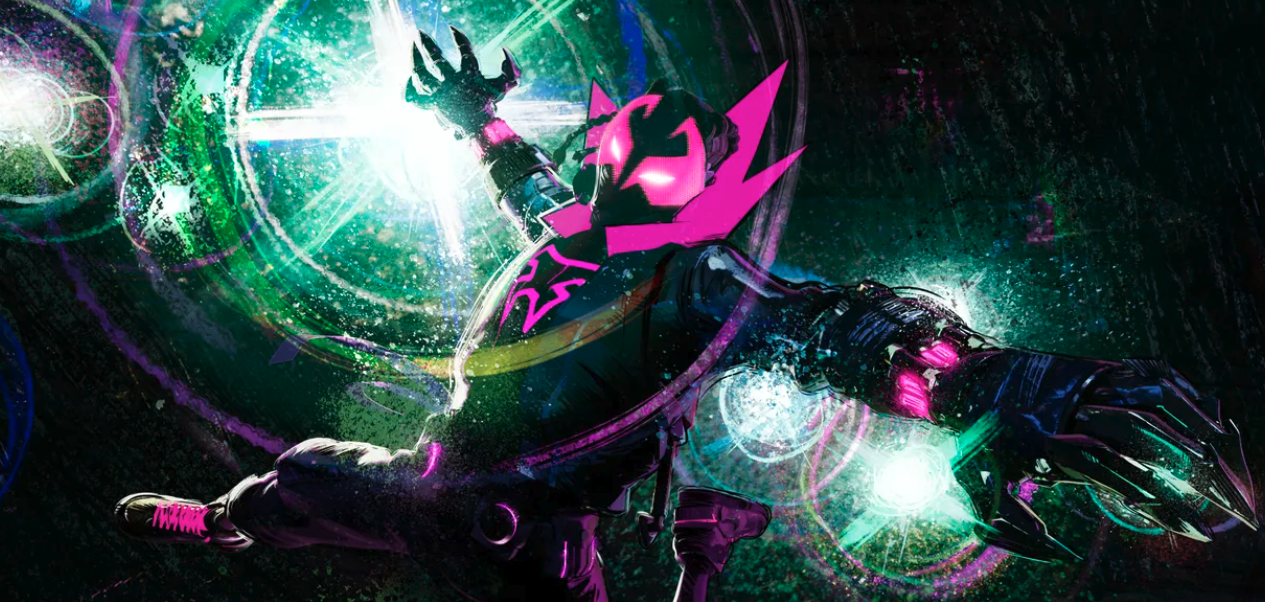
Noticeably absent from the newly released images is Miles’ Earth-42 counterpart, the Prowler version of himself. This omission leaves the community speculating about the internal and external conflicts our hero will face.
Key Highlights of the Upcoming Finale:
Release Date: June 18, 2027
Returning Voices: Shameik Moore, Mahershala Ali, Daniel Kaluuya
Visual Style: Groundbreaking, layered, and culturally rich aesthetics
The wait for 2027 might feel incredibly long. However, if these first-look images are any indication, the final chapter of Miles Morales’ story will be a beautiful, validating experience for marginalized voices everywhere.
How do you feel about the upcoming finale? Hit up the comments to share your thoughts on the Spider-Society, Miles’ journey, and the cultural impact of this groundbreaking franchise.
Frequently Asked Questions (FAQ)
When is Spider-Man: Beyond the Spider-Verse coming out? Sony has officially set the release date for June 18, 2027, following a series of production delays.
What do the Beyond the Spider-Verse first look images reveal? The images show Miles sharing an emotional moment with his father, Jefferson, flashbacks of Uncle Aaron, and a menacing look at Miguel O’Hara.
Is Mahershala Ali returning for the final film? Yes, Mahershala Ali returns to voice Uncle Aaron, appearing in newly teased flashback sequences.
Will Hobie Brown be in Beyond the Spider-Verse? Yes, Daniel Kaluuya reprises his role as Hobie Brown, who seems poised to help Miles protect his family.
If you have been looking for your next television obsession, look no further than Beauty in Black. For many fans, this series has become the ultimate “fix” in the wake of shows like P Valley. It is dramatic, over-the-top, and unapologetically real. But what truly makes the series shine is its ensemble cast. In Beauty in Black, every actor brings “main character energy” to the screen, allowing the audience to identify with and be captivated by every role equally.
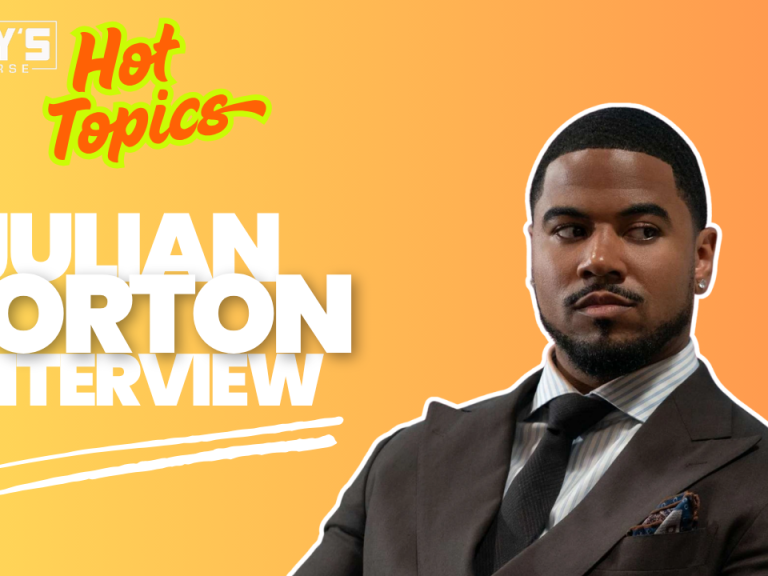
One of the most standout—and polarizing—characters in the series is Roy. Played with a chilling intensity, Roy is the man everyone loves to hate. In a recent candid conversation, actor Julian Horton opened up about what it takes to embody such a vicious villain, the real-life “hustle” that prepared him for stardom, and how he manages to leave Roy’s aggression on the set once the cameras stop rolling.
From Selling Plasma to Netflix Stardom
Before Julian Horton was the face of a number one trending series on Netflix, he was a man familiar with the grind. Recently, a story about Julian’s days as an Uber driver went viral, but as he explains, that was actually “luxury” compared to where he started. Julian’s journey to success is a testament to the power of the hustle.
To make ends meet while pursuing his dreams, Julian didn’t just drive for Uber. He was selling plasma for $100 a pop, moving furniture, working at Verizon, and even selling DIRECTV in the back of Walmart. He describes his life as a series of experiences that “funnel” into the next big thing. Every struggle and every odd job provided him with the emotional storage he now uses to make his characters feel authentic.
“Everything that has happened in my life is already stored up emotionally,” Julian shares. This depth of experience allows him to tap into the “iron sharpens iron” mentality, where the ups and downs of life have made him a stronger, more capable performer.
Tapping Into the Villain: The Psychology of Roy
Playing a character as aggressive and unhinged as Roy requires a specific kind of emotional access. Julian admits that while he is a believer who seeks peace and love in his personal life, he is no stranger to the darker emotions that Roy inhabits. He has felt anger, anxiety, and depression—the difference lies in how those emotions are processed.
The Moral Contrast
Julian explains that the primary difference between himself and Roy is their “nurturer.” While Julian turns to prayer, meditation, and his faith in God and the Holy Spirit to find fulfillment, Roy takes a different path. Roy turns to “the craziness”—the coke, the power struggles, and the mistreatment of women—to fill the void inside him. Because Julian has felt these raw emotions in his own life, it is easy for him to “tap in” to Roy’s headspace, even if their actions are polar opposites.
The Billy Bob Thornton Approach
When asked about his acting method, Julian points to legendary actor Billy Bob Thornton as an inspiration. He appreciates the “raw” and “what you see is what you get” style of performance. Julian isn’t the type of actor who needs elaborate rituals, meditation rooms, or finger-snapping triggers to find his character. Instead, he believes the character already “lives on him” because of his life experiences. When he sees the script, he knows what needs to be done, and he gets it done.
The “Pads Off” Philosophy: Separating the Actor from the Role
With a character as intense as Roy, many fans wonder if Julian has to perform a mental “exorcism” to get back to himself after a day of filming. Surprisingly, Julian finds the separation quite easy. He views acting as a professional job—one he has been honing since he was five years old, playing with a camcorder alongside his four siblings.
He uses a sports analogy to describe his process: “It’s like hooping or playing sports. Once I take the pads off, I don’t want to tackle nobody.” For Julian, the “action” only exists between the lines of the script. Once the director yells “cut,” he is back to joking, goofing around, and spreading positivity. This ability to switch off the aggression allows him to maintain his mental health and keep the work from taking a heavy toll on his personal life.
Collaborating with Tyler Perry: Freedom and Risk-Taking
A major factor in the success of Roy as a character is the creative freedom provided by Tyler Perry. Julian notes that Roy was written as a fluid, free character, which allowed him to input some of his own animated personality traits into the role. Instead of being a “one-note” villain, Roy has layers, and sometimes even a dark sense of humor.
Julian credits Tyler Perry for not putting him in a “box.” From day one, Perry saw the type of actor Julian was and allowed him to take risks. Many of the “quotables” that fans are now repeating on social media were actually ideas Julian had on the fly. This collaborative environment elevated Roy from a standard antagonist to a complex, memorable “alternate Julian.”
Key Takeaways from Julian Horton’s Journey
The Hustle is Preparation: Whether it’s selling plasma or working retail, every life experience adds to your “emotional bank” for future success.
Professionalism Matters: Treating acting as a job allows for a healthy separation between a dark character and your real-life persona.
Creative Freedom Breeds Excellence: When creators trust actors to take risks, it leads to more authentic and “quotable” performances.
Faith as a Foundation: Having a strong internal compass (like Julian’s faith) can help an artist navigate playing even the most “unhinged” roles without losing themselves.
Conclusion
Julian Horton’s portrayal of Roy in Beauty in Black is a masterclass in channeled aggression and complex villainy. By drawing from a life of genuine struggle and a deep well of emotional experience, Julian has created a character that feels terrifyingly real. Yet, his ability to step out of those “pads” and return to a life of positivity and faith is what makes him a truly remarkable talent.
As the series continues to captivate audiences, one thing is clear: Roy is one of the most “punk” and unhinged characters on television today. Whether you love him or hate him, you can’t take your eyes off him. Julian Horton is proof that with enough hustle, a bit of risk-taking, and a lot of heart, you can turn a viral Uber story into a career-defining performance.
The Godzilla Minus Zero trailer just debuted at CinemaCon, revealing a direct sequel to the Oscar-winning Godzilla Minus One. Set two years after the last movie, the film follows the original survivors as Godzilla heads straight for New York City. The movie hits Japanese theaters on November 3 and US theaters on November 6 in IMAX.
CinemaCon Exclusive Insights
Sway’s Universe is always bringing you exclusive access to major cultural events, and this year’s CinemaCon in Las Vegas did not disappoint. Theater owners gathered at Caesars Palace to witness the very first Godzilla Minus Zero trailer.
For audiences passionate about trendsetting film content, this reveal was massive. Toho’s previous film was a surprise global hit, eventually taking home the Oscar for Best Visual Effects. Now, the studio is ready to unleash the giant, lizard-like creature once again.
Attendees also got an exclusive behind-the-scenes sizzle reel. The footage highlighted the elaborate practical sets and props created for the film. We saw bomber jets, completely destroyed cityscapes, and an intricate mini Godzilla model.
Plot Details: Next Stop, NYC
Writer and director Takashi Yamazaki is officially back at the helm. He revealed that the new movie picks up exactly two years after the events of Minus One.
The storyline continues to follow the brave survivors from the kaiju’s last devastating attack. But the biggest shocker came at the very end of the Godzilla Minus Zero trailer.
In the closing moments, the legendary monster stomps his way up to the Statue of Liberty. That’s right—Godzilla has his sights set on New York City. Join the conversation on our YouTube channel to let us know how you think NYC will handle the invasion!
Bigger Budget & IMAX Release
The 37th film in the overall franchise—and the 33rd produced by Toho—promises to be a massive visual spectacle. According to Toho, Yamazaki is working with a noticeably larger budget this time around.
Godzilla Minus One was made on a highly economical $15 million budget.
It earned an incredible $116 million worldwide.
It became the highest-grossing Japanese Godzilla film of all time.
It was Japan’s third-biggest release in 2023.
To match the hype, Godzilla Minus Zero was filmed entirely for IMAX. This marks the very first time a Japanese film has utilized IMAX cameras for production, ensuring a premium interactive experience for theatergoers.
Hollywood’s Monsterverse Counterpart
While Toho handles the Japanese timeline, Hollywood is keeping the Western franchise alive. Next year, fans can expect Godzilla X Kong: Supernova.
This entry will be the sixth film in Legendary and Warner Bros. Pictures’ Monsterverse franchise. It serves as a direct sequel to 2024’s massive team-up movie, Godzilla X Kong: The New Empire. Check out our review of The New Empire here to catch up on the Hollywood timeline. You can also read more about the history of the Monsterverse on IMDb.
Frequently Asked Questions
Is Godzilla Minus Zero a direct sequel? Yes, it is a direct sequel to 2023’s Godzilla Minus One, taking place two years after the events of the first film and following the same group of survivors.
When does Godzilla Minus Zero release? The film releases in Japan on November 3, followed by a United States theatrical release on November 6.
Where does Godzilla Minus Zero take place? Based on the footage shown at CinemaCon, the movie will feature Godzilla attacking New York City, complete with a showdown at the Statue of Liberty.
Was Godzilla Minus Zero filmed in IMAX? Yes. It is the first Japanese film in history to be shot specifically for the IMAX format.
In her highly anticipated Nia Long Playboy interview, the legendary actress opens up about her lasting legacy in Black cinema, her memories of Michael Jackson, and her current focus on self-love and motherhood. Most exciting for fans, she confirmed a much-awaited Love Jones reunion with her iconic co-star, Larenz Tate. This candid conversation reveals an empowered woman who continues to redefine beauty and success on her own terms.
Celebrating a Legacy in Black Cinema
Nia Long has been a staple of pop culture for decades. From her unforgettable roles in classic hip-hop and urban cinema to her status as an enduring sex symbol, she has consistently represented authenticity on screen.
Her first sit-down with Playboy celebrates this massive cultural footprint. She looks absolutely radiant, showing the world that beauty and sensuality only deepen with time. Her career stands as a powerful testament to Black excellence, paving the way for countless young actors to embrace their true selves. For more exclusive insights on the culture, check out our latest celebrity interviews.
A Love Jones Reunion: Reconnecting with Larenz Tate
If you love classic romantic dramas, this news will make your day. During the interview, Nia touched on the massive impact of the 1997 classic, Love Jones.
Fans have been begging for Nina and Darius to share the screen again, and it is officially happening. Nia confirmed that she and Larenz Tate are reuniting for a brand-new romantic drama.
Speaking about her bond with her co-star, she kept it incredibly sweet and authentic: “I love Larenz. That’s my guy, forever and ever and ever.” The mutual respect between these two trendsetting actors is exactly the kind of uplifting community support we love to see in the industry.
Credit: Playboy
Motherhood, Michael Jackson, and Choosing Self-Love
Beyond the movie sets, the conversation took a deeply personal and compassionate turn. Nia reflected on unique moments in her life, including her connections with cultural giants like Michael Jackson.
However, the most empowering takeaway from the interview is her current stance on relationships. Nia was open about the fact that she is not actively looking for a romantic partner right now. Instead, she is proudly pouring her energy into raising her children and nurturing her own well-being.
By prioritizing her family and mental health, she challenges the societal pressure that women must always be attached to a partner to find fulfillment. She is entirely focused on peace, joy, and raising the next generation. Read more about powerful women shaping the culture in our pop culture news section.
Nia’s journey reminds us that true empowerment comes from knowing your worth and setting your own boundaries. You can read the entire powerful feature by heading over to the full Nia Long Playboy interview.