
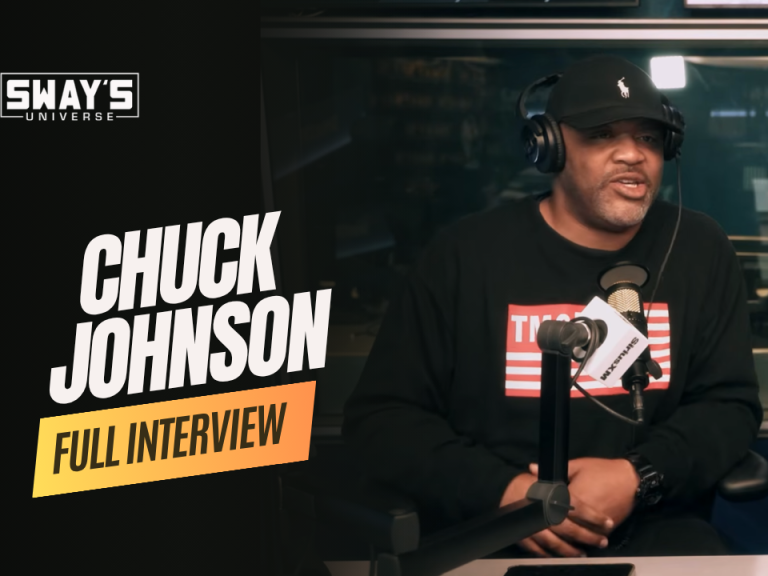
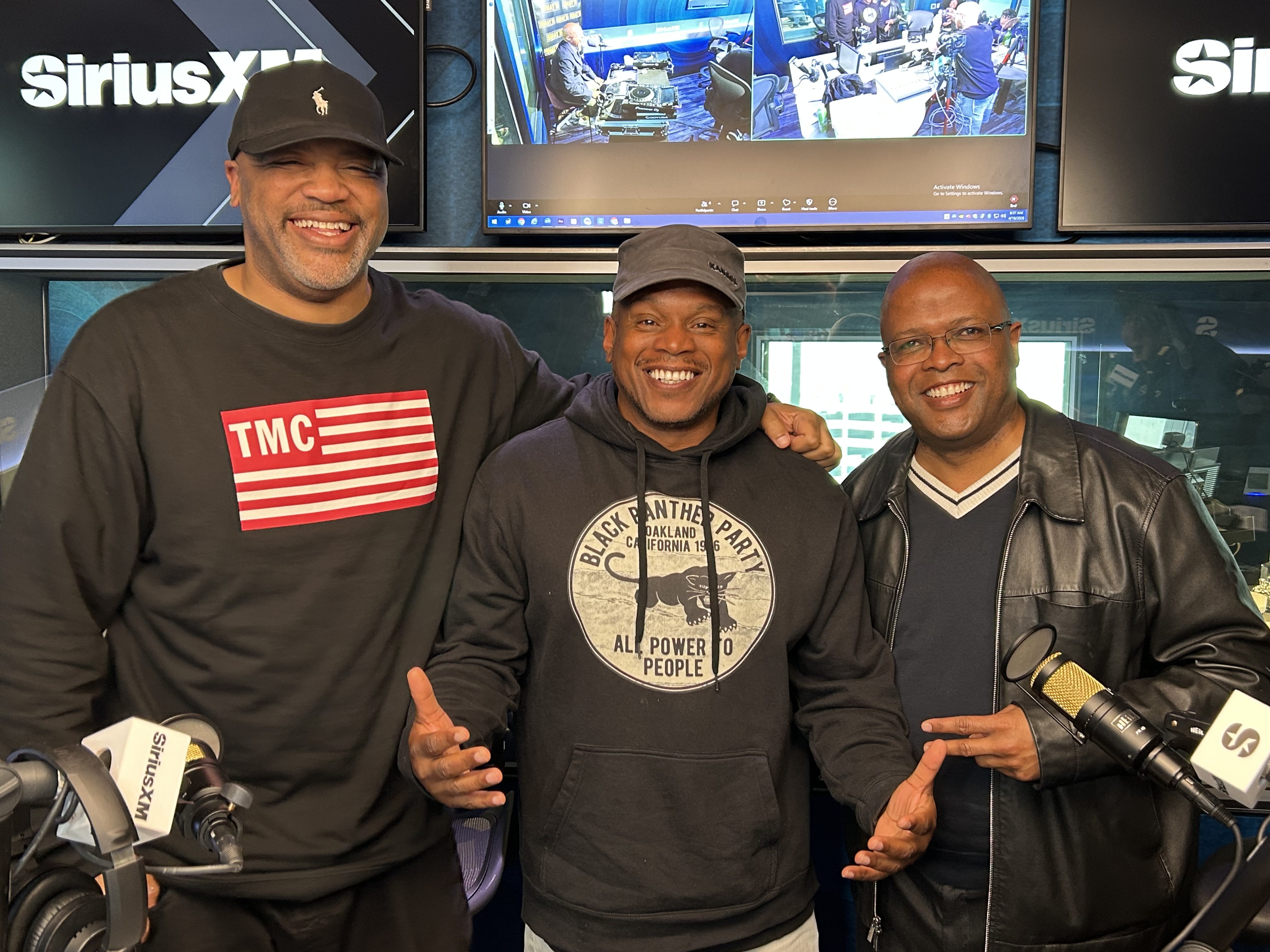
When we talk about the architects of hip-hop culture, the conversation often centers on the artists who grabbed the mic. But behind the scenes, there were pioneers building the platforms that allowed those voices to be heard worldwide. One such legend is Chuck Johnson, a man whose influence on the Bay Area and the global hip-hop landscape cannot be overstated. As the power behind the iconic platform Soulbeat, Johnson didn’t just witness history—he broadcasted it.
For decades, Johnson has been a silent engine in the industry, interviewing everyone from The Fugees and Erykah Badu to Master P, Fat Joe, and Goody Mob. His resume reads like a “who’s who” of hip-hop royalty, and his work as a producer on BET’s legendary Hyphy Week helped cement the Bay Area’s unique sound in the national consciousness. But to understand the true weight of his legacy, you have to look back at how he helped create a media empire out of thin air when the traditional resources simply weren’t available.
The DNA of Hip-Hop Television: Soulbeat’s Global Influence
There is a specific lineage to hip-hop television that many fans might not realize. Most people point to Yo! MTV Raps as the catalyst for the genre’s mainstream success. However, Yo! MTV Raps likely wouldn’t exist without Ralph McDaniels and his groundbreaking show, Video Music Box. And as it turns out, the inspiration for Video Music Box can be traced directly back to Oakland and Chuck Johnson’s Soulbeat.
During a candid discussion, Johnson shared a story from Ralph McDaniels’ birthday party at the Brooklyn Bowl. McDaniels admitted that after visiting Oakland for the “Fresh Fest” and witnessing the power of Soulbeat, he was inspired to develop Video Music Box in New York. This revelation places Soulbeat at the very top of the family tree for hip-hop video programming. While the East Coast often gets the credit for being the birthplace of the culture, the televised revolution had a massive heart beating in the Bay Area as early as 1978.
The Detroit-Oakland Connection and Black-Owned Media
The history of Soulbeat is also a history of Black ownership in media. Johnson traces the roots back to WGPR Channel 62 in Detroit, which was the first Black-owned television channel in the United States. Only three years after WGPR launched, Johnson utilized his relationship with them to create Soulbeat in 1978.
This created a unique cultural exchange—a “cousin” relationship between Detroit and Oakland. The two cities began trading content: Detroit programming would air in Oakland, and Oakland’s burgeoning hip-hop scene would air in Detroit. This early network of Black-owned media provided a blueprint for how marginalized communities could bypass traditional gatekeepers and speak directly to their audience.
The “Mr. Miyagi” of Media Mentorship
Chuck Johnson didn’t just build a station; he built a school for the next generation of media professionals. He describes his mentorship style through the lens of The Karate Kid, playing the role of Mr. Miyagi to many “Daniel-sans” in the industry. He famously put his interns through rigorous trials, forcing them to learn every facet of the business, including:
- Video Editing: Understanding the rhythm and flow of visual storytelling.
- Program Directing: Learning how to curate content that resonates with a specific demographic.
- Hosting: Developing the ability to have authentic conversations with artists while preserving the essence of the culture.
- Production Value: Transitioning from local cable access to high-level union work for the Super Bowl and World Series.
By making his proteges learn the “chops” of the game, Johnson ensured that the legacy of Soulbeat would live on through the professionals he trained, many of whom went on to work for major networks like Fox Sports and CBS.
Beyond the Music: Hip-Hop, Politics, and Community
One of the most fascinating aspects of Chuck Johnson’s career is his transition from music media to political consultancy and community liaison work. Often referred to as the “Hip-Hop Mayor,” Johnson worked closely with Oakland City Hall, serving as a bridge between the street culture and the political establishment.
He shared a pivotal story involving Too Short that illustrates the hidden depth of hip-hop figures. While at a recording studio surrounded by the typical trappings of the rap lifestyle, Too Short unexpectedly turned to Johnson and asked, “Chuck, what’s up with them politics?” This sparked a movement. Too Short and Mistah F.A.B. became involved in Johnson’s “Wake Your Game Up” voter registration campaign, proving that the influence of hip-hop could be harnessed for civic engagement and social change.
The Competitive Landscape of the 90s
The discussion also touched on why Soulbeat didn’t always get its flowers from national outlets like MTV. Johnson suggests that it came down to commercial competition. Soulbeat wasn’t just a local show; it was a competitor for advertising dollars and inventory. While outlets like the California Music Channel (CMC) were also in the mix, Soulbeat’s commitment to playing a diverse range of hip-hop—not just West Coast “slaps” but also New York and Southern rap—made it a unique threat to the emerging national monopolies.
Key Takeaways from Chuck Johnson’s Legacy
- Ownership is Key: Soulbeat’s success was rooted in the foundation of Black-owned media established by WGPR in Detroit.
- The Bay Area Was First: Oakland’s Soulbeat served as the primary inspiration for New York’s Video Music Box, which in turn birthed Yo! MTV Raps.
- Mentorship Matters: Building a platform is only half the battle; training the next generation to run it is what ensures a lasting legacy.
- Hip-Hop is Political: The influence of artists like Too Short can be a powerful tool for voter registration and community advocacy when guided by experienced liaisons.
- Preserve the Essence: Successful media isn’t just about playing what’s popular; it’s about having a conversation with the culture and maintaining its integrity.
Honoring the Pioneers
Chuck Johnson’s story is a reminder that hip-hop is more than just music—it is a sophisticated ecosystem of media, politics, and community building. From the early days of trading tapes with Detroit to helping organize Tupac Day (a day of service and benefit for the Tupac Amaru Shakur Foundation), Johnson has remained a steadfast guardian of the culture.
As we look back at the history of the Bay Area’s rise, it is essential to give flowers to the “connectors” like Chuck. Without the resources of the major markets, the Bay Area created its own, and in doing so, it changed the face of television forever. Whether he was acting as a media consultant at City Hall or teaching an intern how to edit a music video, Chuck Johnson’s “hip-hop prowess” has left an indelible mark on the world.
Stay tuned for more deep dives into the history of the pioneers who built the culture from the ground up.