Cardi B and Mayor Mamdani Champion the NYC Childcare For All Program

Cardi And NYC Mayor

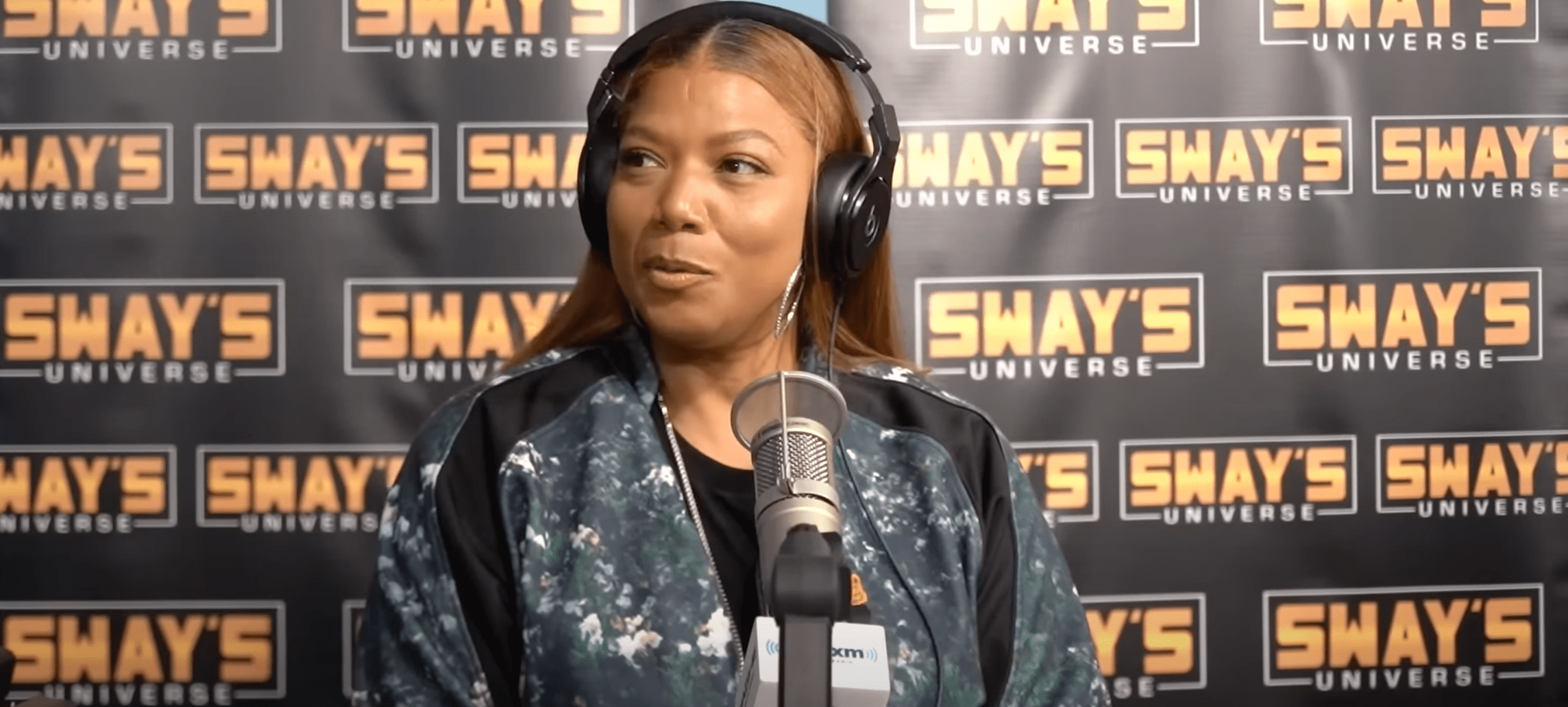
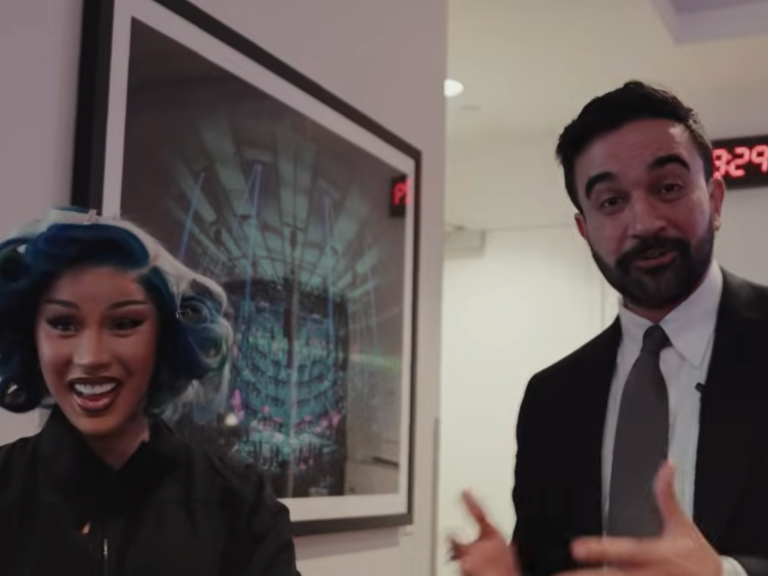
New York City Mayor Zohran Mamdani and hip-hop superstar Cardi B have joined forces to launch the NYC Childcare For All program. This new 2-K initiative provides free childcare and early education to working parents, with 2,000 seats opening this fall. Applications run from June 2 to June 26, and families can even submit a creative jingle to celebrate the rollout.

Hip-hop and politics frequently intersect, but this latest collaboration brings tangible, life-changing support directly to our communities. New York City Mayor Zohran Mamdani is teaming with Cardi B to promote a vital new initiative for local families. They are joining forces to drive awareness for the release of NYC 2-K program applications, ensuring working parents get the community support they deserve.

Empowering Working Mothers Through Education

The Bronx-born rapper knows firsthand the struggles of balancing career ambitions with raising a family. This partnership challenges societal norms that force women to abandon their dreams due to a lack of resources. The NYC Childcare for All program expects to start in the fall, offering 2,000 available seats for families to apply for.

By providing free childcare, this initiative empowers women to reclaim their time and career trajectories.

“Sometimes, us women, we can’t really go forward because we don’t have nobody to help us take care of our kids,” Cardi B shared, capturing a frustration felt by countless mothers globally.

How the NYC 2-K Program Works

The 2-K program does two essential things: it gives children an early start to their educational journey, and it provides free, reliable childcare for working parents. Partnering with New York Gov. Kathy Hochul, this first-year rollout is just the beginning. The administration expects this launch will pave the way for increased spending, allowing even more families to participate in the future.

To learn more about how local government affects community resources, check out our exclusive insights into political election cycles.

Join the Conversation: The Cardi B Jingle Competition

Cardi B never misses a chance to celebrate individuality and creativity. To hype up the 2-K program applications, she is inviting fans to participate in a unique jingle competition.

New Yorkers are encouraged to submit original 15- to 30-second jingles about turning in their childcare applications. This interactive experience perfectly blends hip-hop culture with social consciousness, turning a standard government rollout into an engaging community event.

Key Dates to Remember

According to a recent report by CBS News, staying organized is critical for families hoping to secure one of the 2,000 seats. Here is the timeline you need to know:

EventDate
Submissions OpenJune 2
Application DeadlineJune 26
Placement NotificationsAugust
Program StartsFall Term

Securing the Bag and the Future

We no longer have to accept a reality where parents must sacrifice their financial independence to care for their youth. Through compassionate, socially conscious leadership, the city is offering a real solution.

“As Cardi B says: ‘I can get ’em both. I don’t wanna choose.’ With universal child care, New Yorkers won’t have to,” Mamdani said in a statement. “For too long, families have been forced to choose between affordable care and staying in the city they love. Now, they can have both—free care in the greatest city in the world.”

Start preparing your application materials today, and don’t forget to submit your jingle by June 26. Make sure your voice is heard.

Frequently Asked Questions

What is the NYC Childcare For All program?
It is a new 2-K initiative providing free early childhood education and childcare to working families in New York City, starting with 2,000 seats this fall.

When are the NYC 2-K program applications due?
Applications open on June 2 and the deadline to submit is June 26. Families will find out if they secured a spot in August.

How does the Cardi B jingle competition work?
Cardi B is asking New Yorkers to submit original 15- to 30-second audio jingles encouraging families to turn in their 2-K applications.

Who is eligible for the 2-K program?
Working parents residing in New York City who need childcare support and early education for their children.
Gucci Mane Disses Pooh Shiesty on Fiery “Crash Dummy”

Gucci Mane Crash Dummy

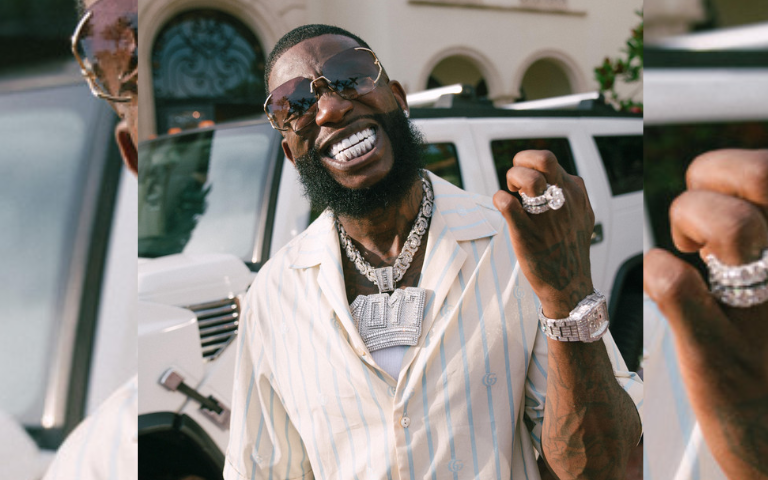
Hip-hop drama is reaching a boiling point. Gucci Mane just unleashed an explosive new track, and the streets are talking. The trap pioneer linked up with legendary producer Zaytoven to drop “Crash Dummy,” a heavy-hitting anthem that takes direct aim at his own 1017 label artist, Pooh Shiesty.

Fans are already dissecting every bar, looking for exclusive insights into the fractured relationship between the two rappers. While Gucci never name-drops Shiesty directly, the lyrical subliminals paint a vivid picture of a highly publicized betrayal.

The fiery track arrives on the heels of jaw-dropping criminal charges. Federal authorities recently accused Shiesty of kidnapping and robbing Gucci Mane during a chaotic recording session in Dallas. We have the breakdown of this wild saga, the legal battles, and the trendsetting music that came out of it. Join the conversation as we unpack the madness.

The Dallas Studio Robbery Explained

According to FOX 4 KDFW Dallas-Forth Worth, the incident in question went down at a Dallas recording studio earlier this year. The situation escalated quickly, leading to a massive federal case that has sent shockwaves through the music industry.

Here are the key details from the ongoing investigation:

  • Pooh Shiesty (born Lontrell Williams Jr.), his father Lontrell Williams Sr., and rapper BIG30 are among eight defendants charged.
  • Federal investigators allege Shiesty pointed an AK-style weapon at the victim, demanding to be released from his 1017 label contract.
  • The rapper then allegedly robbed the victim of a wedding ring, a luxury watch, diamond earrings, and cash.

Legal Drama and Federal Pushback

The legal proceedings have been intense. On April 8, U.S. Magistrate Judge Renee Harris Toliver ruled there was probable cause in the alleged kidnapping. Consequently, Shiesty was ordered to stay in jail while the case unfolds.

However, the defense is pushing back hard. The FBI admitted they do not possess the alleged contract involved in the violent dispute. Bradford Cohen, the high-profile attorney representing Williams, immediately raised questions about the prosecution’s evidence and timeline.

“The FBI doesn’t take three months to arrest someone if they believe everything that was said on the night that it occurred,” Cohen stated. This powerful statement adds a compelling layer of doubt to the federal narrative.

What’s Next for 1017?

This unprecedented clash between a label boss and his rising star is shaking up the music industry. Gucci Mane continues to prove his resilience, channeling real-life conflict into trendsetting art that dominates streaming platforms. Meanwhile, Pooh Shiesty’s future remains uncertain as he fights these serious federal charges from behind bars.

Bishop Lamont “Just Don’t Die”: New Album, Chuck D & MC Eiht Features

Show Name S1 Ep01 Artist Name SU Thumbnail Wide 7

The Return of a West Coast Juggernaut: Bishop Lamont

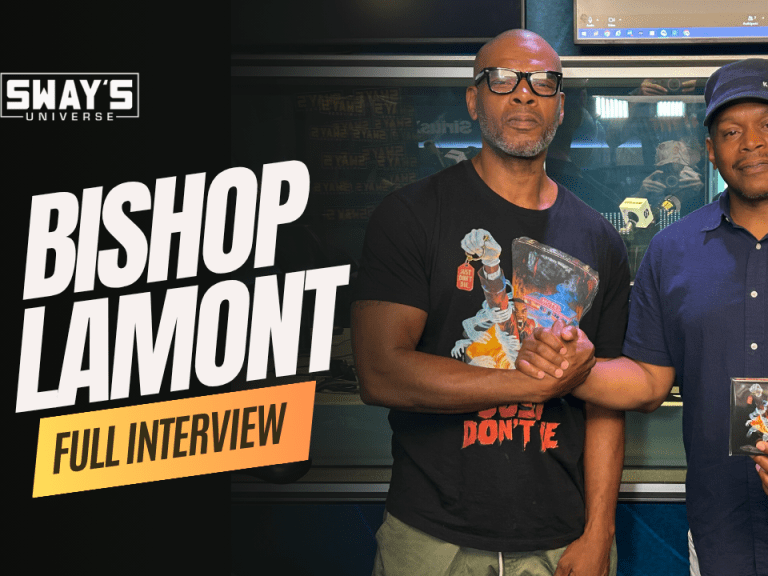
The Los Angeles hip-hop scene has always been defined by its juggernauts—those artists who don’t just ride the wave but create the tide. Recently, the legendary Bishop Lamont sat down to discuss his journey, his new music, and the state of the culture. Known for his razor-sharp lyricism, political commentary, and unwavering community work, Bishop Lamont remains one of the most revered MCs in the game. From the Confessional Mixtape to the critically acclaimed The Layover, his trajectory has been marked by a refusal to follow the status quo.

In an industry that often demands conformity, Bishop has chosen a different path. It is a path of sacrifice and wisdom, proving that the only true movement is the one you carve for yourself. Today, he is back with a cinematic new project and a revolutionary approach to how music should be shared and consumed.

Independence and the Power of Your Own Movement

One of the most striking things about Bishop Lamont’s career is his independence. Standing up for what you believe in often comes with being ostracized by the mainstream, but as Bishop points out, that’s where the real power lies. When you stop trying to fit into someone else’s narrative, you realize that you don’t need their validation to win.

Bishop’s latest evolution involves a deep dive into the revindicated.com platform. This isn’t just a website; it’s a statement of ownership. In an era where artists are often at the mercy of major labels and streaming algorithms, Bishop is going direct-to-consumer. He’s not just making music; he’s building an ecosystem with his team, including his creative partner Blitz, who helps bring the visual and conceptual elements of the “mini-movie” experience to life.

Key Takeaway: The Direct-to-Consumer Revolution

  • Ownership is King: By hosting music on revindicated.com and thebishlamontpro.com, the artist maintains control over their art and their data.
  • Visual Storytelling: Modern hip-hop requires more than just bars; it requires a cinematic presentation that captures the audience’s imagination.
  • Cutting Out the Middleman: Bypassing traditional systems allows for a more authentic connection between the creator and the fan.

“Sand Castles” and Building on Solid Principles

During the conversation, Bishop touched on the poignant themes of his song “Sand Castles,” featuring Soly Ghost. The metaphor is clear: if you build your life or your career on a false foundation, the waves of reality will eventually take it all away. In an industry built on smoke and mirrors, Bishop stands on the principles that made him love hip-hop in the first place.

“Sand castles, they too crumble,” he warns. He challenges listeners and fellow artists to “pick a side.” For Bishop, that side is community, spirit, and being the “light in the dark.” He compares his role to an Abraham Lincoln penny—while everyone else is looking in one direction, he’s the only one looking the other way. This commitment to truth, even when it’s unpopular, is what separates a true artist from a mere performer.

The Myth of Agism in Hip-Hop

A major point of discussion was the prevailing narrative of agism within hip-hop culture. While genres like rock and country celebrate their legends—think Mick Jagger, Bob Dylan, or Johnny Cash—hip-hop often tries to push its veterans out the door once they reach a certain age. Bishop argues that this is by design.

The industry wants artists “young and green” because they are easier to control and exploit. By the time an artist becomes wise enough to renegotiate their contracts or ask the right questions, the industry labels them “too old.” Bishop is vocal about dismantling this “hip-hop game” label. To him, this isn’t a game; it’s an art form and a business that grew from the “have-nots.”

“This is our art and this is our business,” Bishop asserts. He encourages artists who have stopped making music due to industry pressure to pick up the mic again. Your gift is divine, and it shouldn’t have an expiration date dictated by a boardroom executive.

The “Spot-a-lie” Critique and Redefining Success

Bishop doesn’t pull punches when it comes to modern streaming platforms. He humorously refers to the industry giant as “Spot-a-lie,” highlighting how the current system fails to fairly compensate or represent the true essence of the culture. He argues that we have started to equate success with views, streams, and charts, rather than the quality of the craft.

He points out the irony of the “internet generation” of hip-hop. In the early days, you had to pay your dues in ciphers and be “down” with a crew to earn respect. Now, anyone with an internet connection can claim a piece of the culture without ever stepping foot in their local community. Bishop’s focus remains on regional authenticity and the “blood, sweat, and tears” that go into real artistry.

What Real Success Looks Like:

  • Artistic Integrity: Being “ill” like Cool Keith or Bahamadia is more valuable than outselling everyone with a gimmick.
  • Community Connection: Representing a real location and a real people, not just a digital persona.
  • Financial Independence: Owning your masters and your distribution channels.

Embracing the Future: AI as a Creative Tool

Perhaps most surprisingly for a veteran MC, Bishop Lamont is a vocal advocate for Artificial Intelligence (AI). Rather than fearing the technology, he views it as a powerful tool in his creative toolbox. He uses it to enhance his cinematic presentations, photography, and film work.

In the past, an artist needed a massive budget to hire directors like Hype Williams or Paul Hunter to get a high-quality video. Today, with AI and modern editing software, independent artists can produce world-class visuals from their own homes. Bishop’s message is clear: Don’t be afraid of the tools; use them to bypass the need for label loans. By mastering these technologies, artists can maintain their independence while competing at the highest visual level.

The Bat Signal is Up

Bishop Lamont’s return is more than just a new album release; it’s a call to action for the entire hip-hop community. His new project, “Just Don’t Die,” featuring icons like Chuck D, Ice-T, and MC Eiht, is a celebration of survival and excellence. It serves as a “bat signal” to all the artists who have been crushed by the business or told they are past their prime.

The message is simple: Keep going. Your inspiration is a gift that cannot be stopped by anyone but you. Whether it’s through embracing new technology, building your own platform, or standing firm on your principles, the path to true success is the one you build yourself. As Bishop Lamont proves, when you refuse to follow the status quo, the status quo eventually has to come to you.

Arsenio Hall: The Untold Story of Snoop Dogg & Tupac’s TV Debut

Show Name S1 Ep01 Arsenio Hall SU Thumbnail Wide

There are very few individuals who can be described as true cultural pillars, but Arsenio Hall is undoubtedly one of them. For decades, he has served as a conduit for the culture, a deliverer of voices that were often ignored by the mainstream, and the creator of what many consider the most legendary late-night show in history. In a recent high-energy sit-down, Arsenio joined the show to discuss his legacy, his groundbreaking career, and his brand-new status as a best-selling author with his memoir, “Arsenio.”

From breaking the biggest names in hip-hop to fighting network executives for the right to showcase authentic Black excellence, Arsenio Hall didn’t just host a show; he started a movement. This conversation dives deep into the stories behind the scenes, the risks he took, and why he remains an inspiration to every generation that followed him.

The Pioneer of Hip-Hop on Late Night

When The Arsenio Hall Show premiered in 1989, the landscape of late-night television was vastly different. At the time, hip-hop was often misunderstood, ostracized, and largely excluded from major platforms. Arsenio changed that narrative overnight. He didn’t just invite rappers onto his stage; he gave them a safe space to be themselves.

Reflecting on those early days, Arsenio recalls the importance of being “one of us.” He wasn’t an outsider looking in; he was a part of the culture he was showcasing. This authenticity allowed icons like Tupac Shakur to come on the show and speak from the heart. Arsenio shared a poignant memory of Tupac calling him on a landline the night before an appearance, venting about the industry’s demands and the controversies of the time. Back then, Arsenio’s platform functioned much like social media does today—it was the place where the community went to hear the truth directly from the source.

Fighting for the Culture: The Battle with Paramount

Success didn’t come without a fight. Arsenio revealed that in the beginning, he was often a “lone ranger” in corporate spaces. When he first tried to book NWA, the executives at Paramount flatly said no. It wasn’t until he developed massive ratings and “a little power” that he was able to stop asking for permission and start making demands.

One of the most significant shifts he forced was the acceptance of freestyle rap. Arsenio recounted a phone call with Dr. Dre, who wanted to introduce a young artist named Calvin—now known to the world as Snoop Dogg. At the time, Snoop was hesitant to appear on late-night TV, fearing he might lose his “street cred.” Arsenio eventually convinced him, leading to a historic moment where Snoop freestyled in a blue hockey jersey.

The next day, the network heads were in a panic. They told Arsenio, “We can’t do that again. We don’t know what they’re going to say!” In an era of pre-approved lyrics and scripted performances, Arsenio was pushing the envelope by letting artists speak “off the dome.” He stood his ground, knowing that this raw, unscripted energy was exactly what the culture needed.

Key Takeaways from Arsenio’s Career Strategy:

  • Build Your Leverage: Use your early successes (ratings, numbers) to gain the power to say “no” and advocate for your vision.
  • Stay Authentic: Arsenio chose to do a show that made him happy, even when it meant fighting for expensive musical acts over cheaper talk segments.
  • Identify the Gap: He noticed that legends like Oprah and Don Cornelius weren’t fully embracing hip-hop at the time, and he stepped in to fill that void.

Breaking the Mold: From Boyz II Men to Gospel Legends

Arsenio’s influence extended far beyond hip-hop. He was a master at “breaking” artists by pairing the new school with the old school. He famously shared the story of Michael Bivins asking him to put a new group on the air before their album was even ready. Arsenio decided to book them alongside The Temptations. That group turned out to be Boyz II Men, and the rest is history.

As the son of a Baptist preacher, Arsenio also insisted on bringing Gospel music to late-night. Despite being told that Gospel wouldn’t pull the necessary numbers, he featured legends like Shirley Caesar, The Winans, and BeBe & CeCe Winans. He even hosted a legendary segment with Whitney Houston. For Arsenio, it wasn’t just about the ratings; it was about reflecting the full spectrum of the Black experience.

The Influence of the Greats

While Arsenio was a trailblazer, he was also a student of the game. He grew up watching Johnny Carson and Ed Sullivan, but he noticed a glaring absence: people who looked like him. He recalled waiting a month just to see a Black artist like Al Green or Ray Charles appear on Carson’s stage.

When he got his own show, he took the formats he loved as a child and “replaced the names.” If Ed Sullivan had Diana Ross stand up in the audience, Arsenio would have Fat Joe stand up. He took the classic late-night structure and infused it with the relatability and flavor of his community, making it feel like a special occasion every single night.

Arsenio: The Memoir and the Legacy

Today, Arsenio Hall is celebrating his new memoir, a book that captures the “fun” and the “fight” of his incredible journey. The book is already a best-seller, proving that his impact is just as relevant today as it was in the 90s. Whether he’s popping into the Melrose Improv or mentoring the next generation of creators, Arsenio remains a magician of the entertainment industry—a comedian, writer, producer, and, most importantly, a father.

Arsenio Hall’s story is a reminder that when you open doors for others, you build a legacy that lasts forever. As he noted during the conversation, he could have stayed on the air longer if he had done things the network’s way, but he wouldn’t have been happy. By choosing authenticity over conformity, he became more than just a host—he became a legend.

Actionable Insights for Creators

  1. Create Safe Spaces: Whether you’re a podcaster or a manager, prioritize creating an environment where people feel safe to share their truth.
  2. Trust Your Gut on Talent: Arsenio saw the potential in Snoop Dogg and Boyz II Men before the “suits” did. Trust your intuition when you see someone with a unique voice.
  3. Representation Matters: Don’t wait for an invitation to the table. Build your own table and make sure it reflects the world you want to see.

Arsenio Hall is a reminder of what happens when preparation meets purpose. He took the “Late Night” blueprint and colored it with the vibrant hues of hip-hop, gospel, and Black culture, changing the face of television forever. If you haven’t already, picking up his memoir “Arsenio” is a must for anyone who wants to understand the grit and grace required to stay at the top of your game for decades. He came, he saw, and he definitely made us all want to “Woof, woof, woof!”

From Super Bowl Champion to RIVRR: Jordan Fuller Redefines Identity Through Music

IMG 0431

Jordan Fuller, Super Bowl Champion with the Los Angeles Rams, now steps into a new creative lane under the name RIVRR, and his latest single “Alabama” makes one thing clear: this is an extension of who he’s always been.

While most may know Fuller for his presence on the field through discipline, precision, and performing under pressure, what’s coming into focus now is how naturally those same traits translate into his music. There’s intention in every move, and “Alabama” feels like the first real introduction to that world. But the deeper story runs beyond football.

Music has always been part of his foundation. With a mother who once sang background for the legendary Luther Vandross, creativity wasn’t something he stumbled into, it was something he grew up around. That lineage shows up in subtle ways, shaping how RIVRR approaches sound, identity, and storytelling.

“Alabama” doesn’t try to over-explain or over-perform. Instead, it sits in a space of honesty reflective, grounded, and personal. It feels like a moment of clarity from someone who has already lived under intense spotlight, now choosing to express a different side of himself with the same level of focus.

This isn’t about leaving football behind. It’s about building something alongside it.

With RIVRR, Jordan Fuller is stepping into a wider creative identity—one that moves between sport, music, fashion, and culture without forcing separation. It’s about showing what it looks like when an athlete isn’t boxed in, but fully multidimensional.

And “Alabama” is just the beginning.

As he builds toward an upcoming EP, RIVRR feels less like an alter ego and more like a natural evolution one rooted in legacy, discipline, and a quiet confidence that doesn’t need to announce itself loudly to be heard.

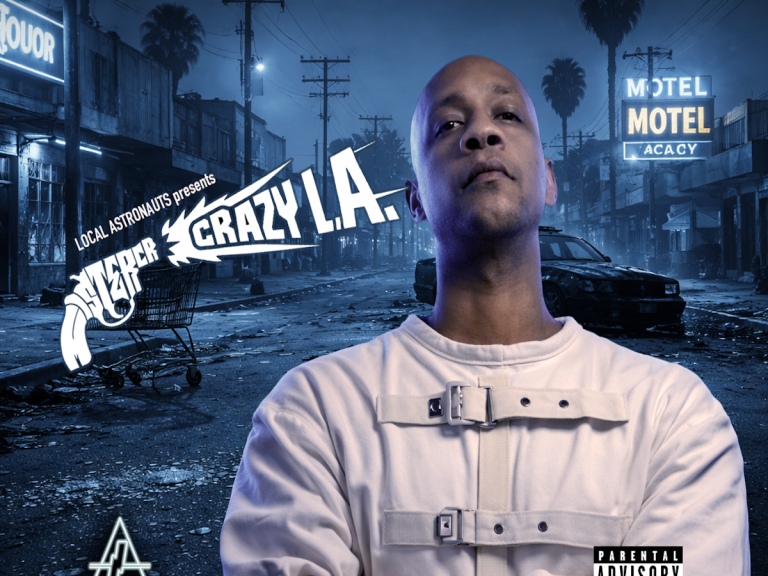
Mister CR & Local Astronauts Capture the Pulse of Late-Night LA on “Crazy LA”

IMG 0430

LA after dark hits different and Mister CR taps right into that energy with his latest drop, “Crazy LA,” produced by Local Astronauts. Clocking in at just under three minutes, the track doesn’t waste a second setting the tone. It’s moody, it’s electric, and it feels like a drive through the city when the lights blur and everything moves a little faster than it should.

Mister CR floats between slick delivery and raw storytelling, painting a picture of ambition, chaos, and that constant push-and-pull that comes with chasing it in Los Angeles. Local Astronauts back him with a cinematic, neon-lit production that feels just as alive as the city itself, heavy atmosphere, bounce in the drums, and a late-night pulse that sticks with you.

Paired with bold, striking artwork that mirrors LA’s wild dream-chasing spirit, “Crazy LA” feels less like just a song and more like a snapshot of the highs, lows, and in-between moments that define the city. It’s gritty, it’s glowing, and it’s very much LA.

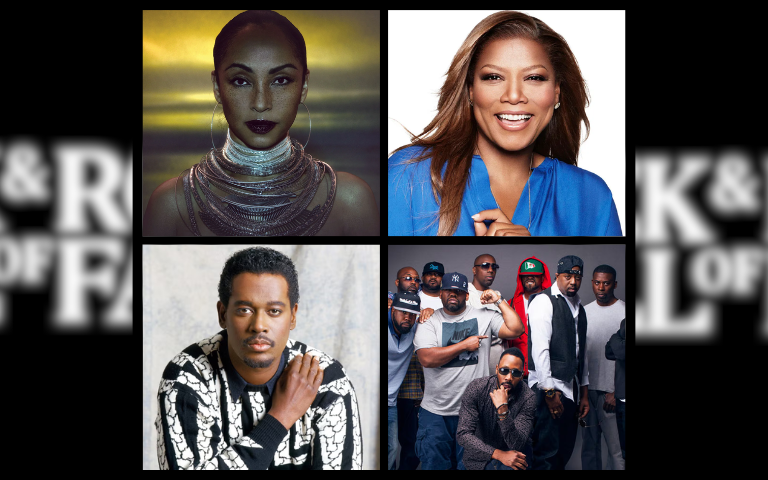
Wu-Tang, Queen Latifah and Sade Lead 2026 Rock Hall Class

2026 Rock Roll Hall Of Fame

The wait is finally over. The 2026 Rock & Roll Hall of Fame induction class has been officially revealed, and it features an incredible lineup of musical pioneers. This year’s roster represents a monumental victory for hip-hop, R&B, and soul, cementing the massive influence these genres have on global pop culture.

Fans across the world are celebrating a historic moment for the culture. Legendary artists who shaped the sound of generations are finally receiving their ultimate flowers. The newest group of inductees proves that rock and roll is a spirit rather than a single genre, blending gritty New York street anthems with smooth, chart-topping soul ballads.

You are looking at a masterclass in musical excellence. This announcement delivers exclusive insights into how the foundation of modern music was built. We are breaking down the legendary artists making up the 2026 class and highlighting the undeniable legacy they leave on the hip-hop community.

The 2026 Rock & Roll Hall of Fame Inductees

The Rock & Roll Hall of Fame constantly evolves to recognize artists who shifted cultural paradigms. The 2026 class brings together heavy metal titans, Britpop legends, and hip-hop pioneers. Every single act on this list disrupted the industry and created trendsetting content that still resonates globally.

Here is the official lineup of the 2026 inductees:

  • Wu-Tang Clan
  • Queen Latifah
  • Sade
  • Phil Collins
  • Luther Vandross
  • Oasis
  • Billy Idol
  • Joy Division / New Order
  • Iron Maiden

This diverse class highlights the intersecting worlds of music. The inclusion of heavy metal giants like Iron Maiden and iconic Britpop stars Oasis brings massive guitar riffs to the forefront. Billy Idol delivers his signature punk-rock attitude, while Joy Division and New Order represent the brilliant evolution of post-punk into electronic dance music.

However, the real story for the culture lies in the massive hip-hop and R&B representation. Queen Latifah, Wu-Tang Clan, Luther Vandross, Sade, and Phil Collins have completely shaped the hip-hop ecosystem. Their contributions stretch far beyond their own discographies, influencing producers, MCs, and fans around the globe.

Hip-Hop and R&B Royalty Take Center Stage

The relationship between rock institutions and hip-hop culture continues to grow stronger. This year’s class serves as a loud reminder that hip-hop dictates global trends. Let us look closely at how these specific inductees influenced the rap game and built bridges across musical divides.

2

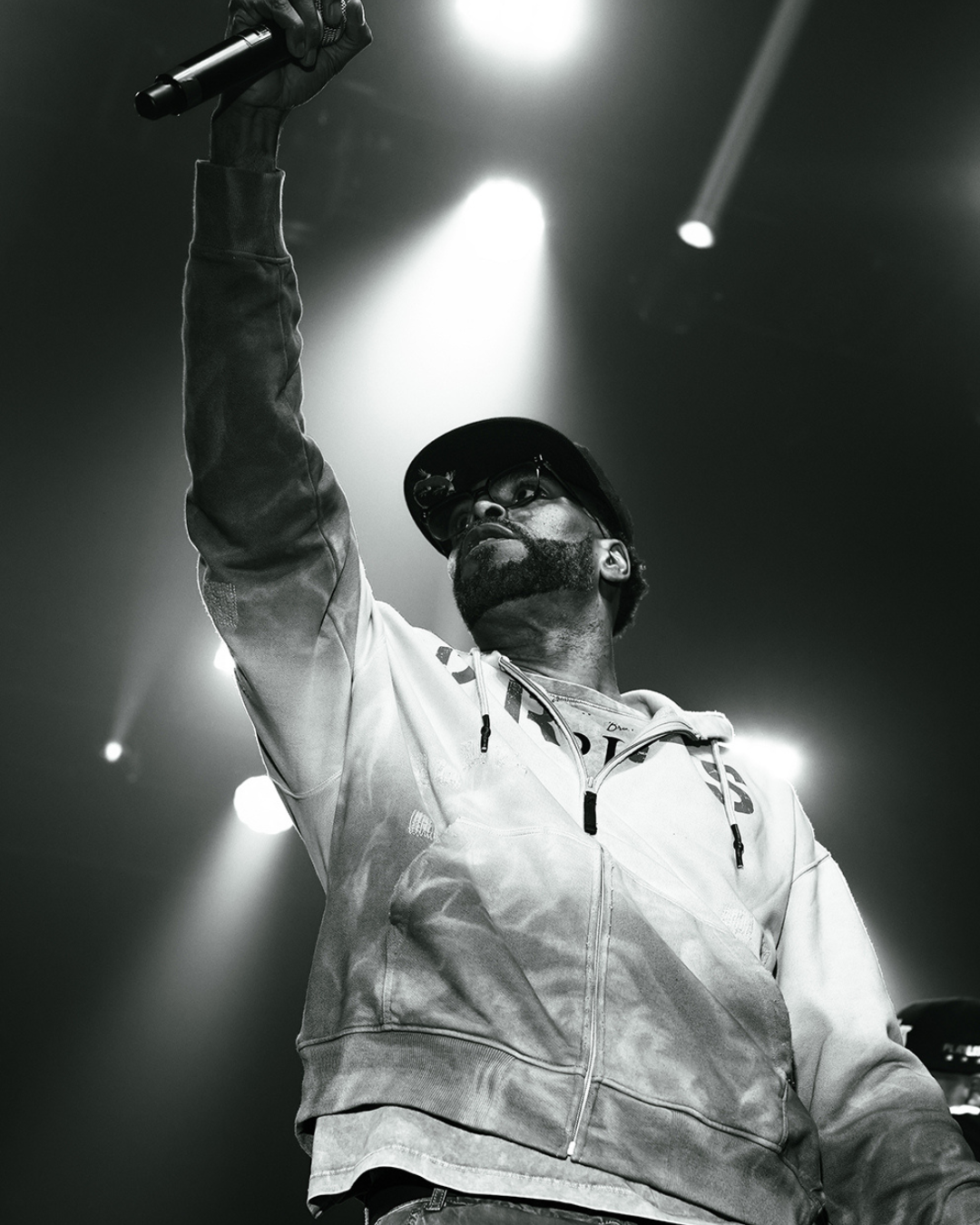
Wu-Tang Clan Brings Da Ruckus to the Hall

The Staten Island collective changed the geometry of hip-hop forever. Wu-Tang Clan introduced a raw, unfiltered sound heavily layered with martial arts movie samples and boom-bap drums. They proved that a nine-member rap group could dominate the charts and build a global empire from the ground up.

Their induction celebrates the gritty, authentic storytelling that became the blueprint for countless East Coast artists. Wu-Tang’s influence remains visible in modern crew dynamics, merchandise branding, and independent business moves within the music industry. They taught a generation of artists how to protect their creative control while expanding their brand into clothing, video games, and film. The W logo is a universal symbol of hip-hop excellence.

Queen Latifah

Queen Latifah’s Royal Reign Continues

All hail the Queen. Queen Latifah broke massive barriers for women in rap, demanding respect and delivering empowering anthems that challenged industry norms. She seamlessly transitioned from dropping classic hip-hop albums to conquering Hollywood, setting a standard for artists looking to expand their brands.

Her induction into the Rock & Roll Hall of Fame highlights her trendsetting content and undeniable leadership. Latifah taught a generation of artists how to maintain authentic roots while achieving mainstream, global success. From her powerful lyricism to her commanding stage presence, she laid the groundwork for the massive success of female MCs dominating the charts today.

Sade and Luther Vandross: The Architects of Soulful Samples

Hip-hop thrives on sampling, and producers have constantly turned to Sade and Luther Vandross to provide smooth, emotional foundations for legendary rap tracks. Sade’s incredibly rich, atmospheric jazz-soul fusion offered the perfect backdrop for introspective hip-hop verses. Her voice brings an immediate layer of sophistication and depth to any beat.

Similarly, the late Luther Vandross delivered vocal performances that defined an entire era of R&B. His romantic, powerful ballads have been flipped, chopped, and looped by top-tier hip-hop producers for decades. Vandross brought a level of vocal excellence that hip-hop artists continuously sample to express heartbreak, success, and passion. Both artists provided the sonic wallpaper for the hip-hop community, and their Hall of Fame status is a massive win for R&B excellence.

Phil Collins: The Unlikely Hip-Hop Icon

A British pop-rock legend might seem out of place in a hip-hop conversation, but Phil Collins holds serious weight in the culture. His iconic, dramatic drum fills and moody synth progressions heavily influenced the sound of rap production. Urban radio constantly embraced his solo work, and numerous hip-hop legends have actively cited his music as a core inspiration.

Collins bridged a unique gap between arena rock and hip-hop beats, proving that great rhythm and dark, atmospheric storytelling translate perfectly across all genres. His drum patterns provided a massive template for producers looking to add theatrical, stadium-level energy to their hip-hop tracks.

Frequently Asked Questions About the 2026 Hall of Fame

To ensure you have all the exclusive insights regarding this massive cultural moment, we have compiled answers to some of the most common questions surrounding the upcoming ceremony.

How are artists selected for the Rock & Roll Hall of Fame?

Artists become eligible for induction 25 years after the release of their first commercial recording. A nominating committee selects a ballot of candidates, which is then voted on by an international voting body of more than 1,000 artists, historians, and members of the music industry.

Why are hip-hop artists included in the Rock & Roll Hall of Fame?

The Hall of Fame recognizes rock and roll as a spirit of rebellion and innovation rather than a strict musical style. Hip-hop embodies this exact spirit. By pushing boundaries, speaking truth to power, and revolutionizing music production, hip-hop artists perfectly align with the core values of the institution.

Where and when will the 2026 induction ceremony take place?

The official date and venue for the 2026 induction ceremony will be announced soon. Fans can expect the event to be broadcast globally, allowing audiences across multiple devices to stream the performances and speeches live.

Join the Conversation on Music’s Biggest Night

The 2026 Rock & Roll Hall of Fame class delivers a powerful statement about the diversity and evolution of music. Recognizing hip-hop and R&B royalty alongside heavy metal and punk icons shows exactly how far the culture has traveled. These artists provided the soundtrack to our lives, sparked global movements, and influenced the next generation of creatives.

Now, your voice matters. We want to hear your thoughts on this historic lineup. Did your favorite artist finally make the cut, or was someone legendary left off the list? Drop your thoughts in the comments, share this breakdown with your crew, and keep it locked to Sway’s Universe for more exclusive insights. Join the conversation and stay connected globally with the culture that moves the world.

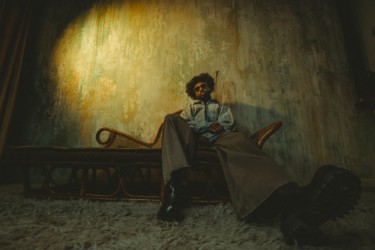
Kenyon Dixon Returns with Intimate New Single “Talk You Through It” Ahead of Upcoming Album

IMG 0396

Kenyon Dixon is stepping into a new era with the release of his latest single, “Talk You Through It,” offering fans a smooth and seductive preview of what’s to come from his forthcoming album Ego Ruins Everything, due later this year.

The track finds Dixon leaning into vulnerability and desire, delivering a late-night anthem that feels both personal and immersive. With warm production and emotionally charged lyrics, “Talk You Through It” captures the essence of connection and romance, highlighting his ability to turn real-life emotions into sonic experiences. His vocals glide effortlessly across the record, pulling listeners deeper into its intimate atmosphere.

This release marks Dixon’s first solo offering since his 2024 EP The R&B You Love: For the ‘99 and the 2000s, a project that further solidified his reputation as one of R&B’s most consistent voices. Since then, his momentum has only grown, including standout appearances like lending background vocals during the Tyrese vs. Tank Verzuz and continuing to deliver dynamic live performances.

With Ego Ruins Everything on the way, Dixon is not only expanding his sound but also embracing a more confident and self-assured version of himself. “Talk You Through It” sets the tone for what promises to be a deeply personal and impactful project, reinforcing his place as a leading voice in today’s R&B landscape.

J12 Expands His Sound & Vision with “UH HUHH” Featuring Dae2x and Timo

IMG 0395

Julian Horton, known on screen for his role as Roy in Beauty in Black, continues to evolve behind the scenes as a producer, entrepreneur, and creative force in music. Operating under his musical alias J12, Horton adds another layer to his growing catalog with the release of “UH HUHH,” a high-energy single from rising artist Dae2x featuring Timo.

Released through TMO Music Group, Horton’s own label, the track reflects his ongoing commitment to artist development and building sustainable opportunities within the industry. While many audiences were first introduced to Horton through acting, his transition into music production and executive leadership is proving to be just as intentional as it is impactful.

Produced by J12, “UH HUHH” leans into a raw, bass-heavy trap sound designed for late nights and high-volume playlists. The record carries an infectious bounce, anchored by a hook that sticks and production that doesn’t overcomplicate the moment. It’s the kind of track that feels built for replay value.

Dae2x steps into the spotlight with confidence, delivering a performance that matches the energy of the production while maintaining control throughout the track. His presence feels natural, not forced an early indicator of an artist finding his pocket. Paired with a feature from Timo, the collaboration adds another layer to the record’s dynamic without disrupting its momentum.

For J12, releases like “UH HUHH” represent more than just another drop, they’re part of a larger blueprint. Through TMO Music Group, he continues to position himself as a curator of emerging talent, focused on long-term growth rather than quick wins. It’s a strategy that aligns with where the industry is headed, where ownership, development, and vision carry just as much weight as the music itself.

As he continues to balance his presence across film, music, and business, J12’s trajectory reflects a creator who understands the importance of evolution. With “UH HUHH,” he not only delivers a record that meets the moment, but reinforces his role in shaping what comes next.

Hip-Hop Pioneer Afrika Bambaataa Dies at 68

Memorial Post Afrika Bambaataa

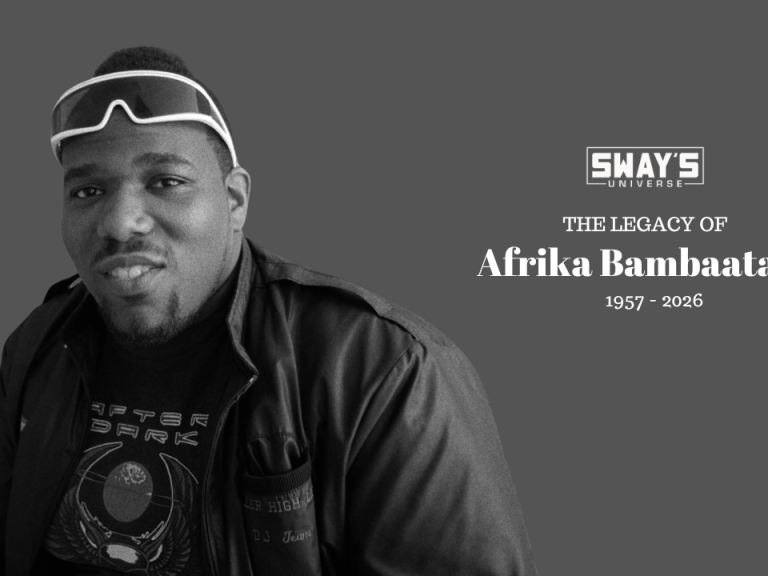
The hip-hop community is grappling with the complex loss of a foundational, yet highly controversial, figure. Afrika Bambaataa, the pioneering DJ and founder of the Universal Zulu Nation, has died at the age of 68.

According to TMZ, Bambaataa passed away early on Thursday, April 9, in Pennsylvania following complications from cancer. Born Lance Taylor in New York City in 1957, Bambaataa was widely recognized as one of the essential architects of hip-hop culture. However, his massive contributions to music were severely tarnished later in life by numerous allegations of child molestation and abuse.

For fans of hip-hop history, understanding Bambaataa requires looking at the entire picture. We are taking a close look at his monumental impact on the global rise of rap music, the formation of the Universal Zulu Nation, and the deeply disturbing allegations that ultimately fractured his legacy.

Architect of the Universal Zulu Nation

During the 1970s, the Bronx was a borough heavily divided by warring gang factions. Bambaataa emerged as a unifying force, stepping up to shape the early hip-hop scene that was rapidly flourishing in the streets. He founded the Universal Zulu Nation to promote peace and unity, redirecting gang energy into positive cultural expressions like breakdancing, DJing, and rapping.

This movement successfully helped globalize early hip-hop culture, transforming a local underground scene into a worldwide phenomenon. The Hip Hop Alliance confirmed Bambaataa’s passing in an official statement, highlighting this early era of his life.

“As the founder of the Universal Zulu Nation, Afrika Bambaataa helped shape the early identity of Hip Hop as a global movement rooted in peace, unity, love, and having fun,” the statement reads. “His vision transformed the Bronx into the birthplace of a culture that now reaches every corner of the world. Through his music, leadership, and influence, he contributed to the foundation of Hip Hop’s core principles, inspiring generations of MCs, DJs, breakers, and cultural leaders.”

A Catalog of Defining Musical Milestones

As a recording artist in the 1980s, Bambaataa delivered an undeniable string of hits that broke sonic boundaries. He consistently pushed the genre forward by blending rap with electronic music, punk, and funk.

His most defining achievements include:

  • Pioneering Electro-Funk: In 1982, Bambaataa teamed with the Soulsonic Force to release the classic album and single “Planet Rock.” The track heavily sampled Kraftwerk and introduced a futuristic electro-funk sound that still influences dance music today.
  • Legendary Collaborations: He recorded the anthem “Unity” with the Godfather of Soul, James Brown, in 1984.
  • Genre-Bending Crossovers: That same year, he teamed up with Time Zone and John Lydon (Johnny Rotten of the Sex Pistols) for the aggressive, cross-genre track “World Destruction.”
  • Global Activism: In 1985, he joined a massive roster of stars, including Run-D.M.C. and Bruce Springsteen, for the iconic anti-apartheid anthem “Sun City.”

His cultural impact was officially recognized when VH1 honored him at the 2006 Hip-Hop Honors. In 2012, Cornell University appointed him as a visiting scholar for a three-year term to archive and teach the genre’s history.

Share Your Voice on a Complicated History

Afrika Bambaataa’s imprint on hip-hop history remains undeniable, permanently cemented in the culture’s origin story. Yet, his final chapters serve as a dark reminder of the difficult truths that often exist behind the scenes of our biggest cultural movements.

Your voice matters to us here at Sway’s Universe. How do you view the legacy of founding figures when faced with severe allegations? Join the conversation by dropping your thoughts in the comments below, and stay tuned to our channels for more exclusive insights into hip-hop history and culture.