
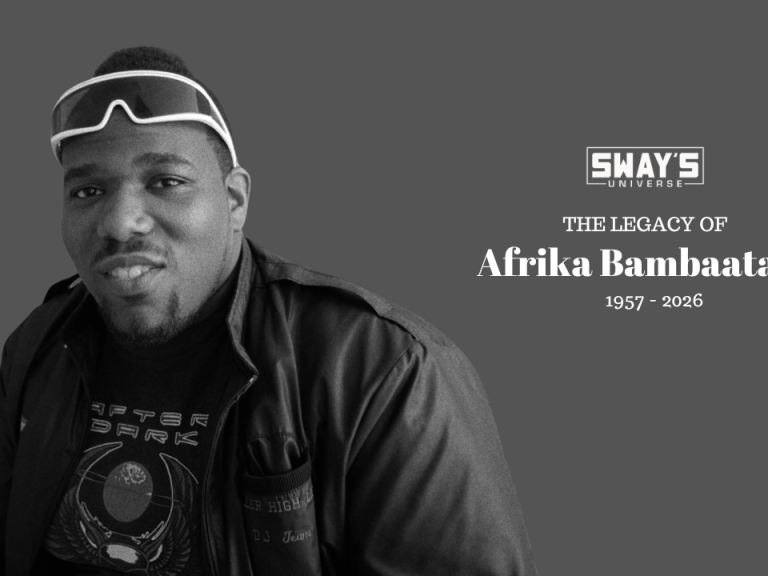
The hip-hop community is grappling with the complex loss of a foundational, yet highly controversial, figure. Afrika Bambaataa, the pioneering DJ and founder of the Universal Zulu Nation, has died at the age of 68.
According to TMZ, Bambaataa passed away early on Thursday, April 9, in Pennsylvania following complications from cancer. Born Lance Taylor in New York City in 1957, Bambaataa was widely recognized as one of the essential architects of hip-hop culture. However, his massive contributions to music were severely tarnished later in life by numerous allegations of child molestation and abuse.
For fans of hip-hop history, understanding Bambaataa requires looking at the entire picture. We are taking a close look at his monumental impact on the global rise of rap music, the formation of the Universal Zulu Nation, and the deeply disturbing allegations that ultimately fractured his legacy.
Architect of the Universal Zulu Nation
During the 1970s, the Bronx was a borough heavily divided by warring gang factions. Bambaataa emerged as a unifying force, stepping up to shape the early hip-hop scene that was rapidly flourishing in the streets. He founded the Universal Zulu Nation to promote peace and unity, redirecting gang energy into positive cultural expressions like breakdancing, DJing, and rapping.
This movement successfully helped globalize early hip-hop culture, transforming a local underground scene into a worldwide phenomenon. The Hip Hop Alliance confirmed Bambaataa’s passing in an official statement, highlighting this early era of his life.
“As the founder of the Universal Zulu Nation, Afrika Bambaataa helped shape the early identity of Hip Hop as a global movement rooted in peace, unity, love, and having fun,” the statement reads. “His vision transformed the Bronx into the birthplace of a culture that now reaches every corner of the world. Through his music, leadership, and influence, he contributed to the foundation of Hip Hop’s core principles, inspiring generations of MCs, DJs, breakers, and cultural leaders.”
A Catalog of Defining Musical Milestones
As a recording artist in the 1980s, Bambaataa delivered an undeniable string of hits that broke sonic boundaries. He consistently pushed the genre forward by blending rap with electronic music, punk, and funk.
His most defining achievements include:
- Pioneering Electro-Funk: In 1982, Bambaataa teamed with the Soulsonic Force to release the classic album and single “Planet Rock.” The track heavily sampled Kraftwerk and introduced a futuristic electro-funk sound that still influences dance music today.
- Legendary Collaborations: He recorded the anthem “Unity” with the Godfather of Soul, James Brown, in 1984.
- Genre-Bending Crossovers: That same year, he teamed up with Time Zone and John Lydon (Johnny Rotten of the Sex Pistols) for the aggressive, cross-genre track “World Destruction.”
- Global Activism: In 1985, he joined a massive roster of stars, including Run-D.M.C. and Bruce Springsteen, for the iconic anti-apartheid anthem “Sun City.”
His cultural impact was officially recognized when VH1 honored him at the 2006 Hip-Hop Honors. In 2012, Cornell University appointed him as a visiting scholar for a three-year term to archive and teach the genre’s history.
Share Your Voice on a Complicated History
Afrika Bambaataa’s imprint on hip-hop history remains undeniable, permanently cemented in the culture’s origin story. Yet, his final chapters serve as a dark reminder of the difficult truths that often exist behind the scenes of our biggest cultural movements.
Your voice matters to us here at Sway’s Universe. How do you view the legacy of founding figures when faced with severe allegations? Join the conversation by dropping your thoughts in the comments below, and stay tuned to our channels for more exclusive insights into hip-hop history and culture.