
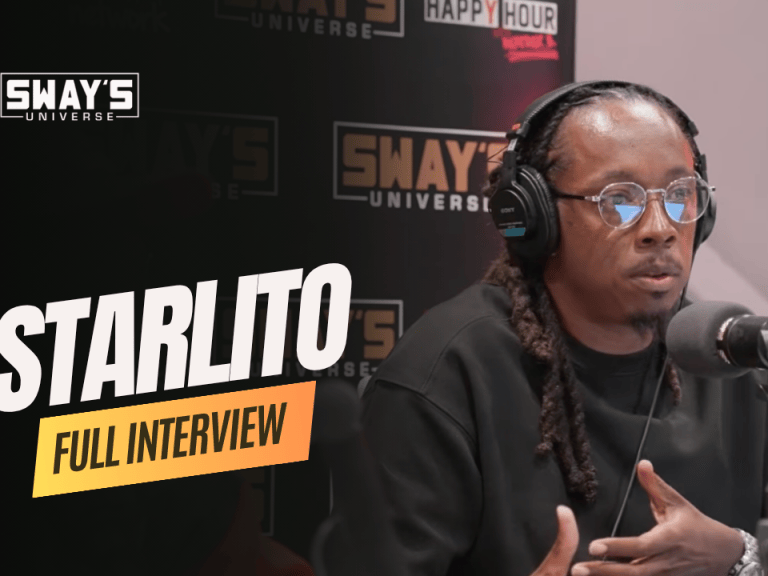
Twenty-three years in the rap game isn’t just longevity — it’s a masterclass. Starlito recently sat down with Tim Gent on Sway’s Universe to break down what he calls his “Jordan Year,” 23 seasons as a professional recording artist, and the conversation went deep. They covered the industry’s toughest realities, mental health, and why staying rooted in Nashville has meant everything to his career.
Nashville gets called Music City, but hip-hop has always lived in the shadow of country and rock there. That’s changing, thanks in part to Starlito and his Step Brothers partner Don Trip, plus Black-owned infrastructure like Make a Play Hospitality reshaping the scene. This is the story of an artist who refused to age out of a game that once told him his clock was ticking.
Redefining Longevity in Hip-Hop
When Starlito started out, the industry narrative was brutal: hip-hop was a young man’s sport, and you either made your mark fast or got left behind. “I thought it was a young man’s sport at the time,” he admitted. “Early on, it was almost like you could age yourself out of this whole game.”
Watching veterans like Scarface, 8Ball & MJG, and Bun B thrive on legacy runs shifted his thinking. Hip-hop is finally giving its elders the same respect other genres have always extended. Starlito says he feels “sharper than ever” — proof that experience adds depth instead of expiration dates.
The 10-Year Grind Nobody Talks About
Starlito got real about the money side, too. He signed his first deal at 19, but didn’t see actual industry money for almost a decade. Nothing was handed to him. He built it by:
- Grinding the Chitlin’ Circuit, performing anywhere that would have him
- Selling CDs out of his trunk
- Dropping five or six free projects a year to keep fans fed
Everything changed in 2013 when digital distribution flipped the industry on its head. Going independent and connecting directly with fans let Starlito see the real size of his audience. A project he planned to give away for free ended up on the Billboard charts through Empire — proof his fanbase could sustain a career without a traditional label.
That “rinse and repeat” approach — consistent free music, constant output — planted seeds that eventually paid off. Starlito points out that the young-man’s-sport myth pushes artists to quit right before their breakthrough.
Music as a Saving Grace
The climb wasn’t a straight line. Starlito opened up about mental health struggles in an industry that demands toughness. Being autobiographical in his music became his outlet for substance abuse, migraines, and what he calls his “war with himself.”
In 2011, at a genuine crossroads, he released every song sitting on his hard drive as At War with Myself. Those songs born from his lowest moments became some of his biggest records. “Creatively, as an artist, this is our outlet,” he said. “I just pour it out here, and a lot of times it’s been my saving grace.”
Tim Gent shared how 2012’s Funerals and Court Dates helped him navigate life after high school. Starlito hears similar stories often — fans who played his music in hospitals or during their darkest hours. That connection, he says, matters more than any paycheck.
Why Stay in Nashville?
Plenty of artists relocate to LA, New York, or Atlanta once they make it. Starlito never did. His reason is simple: family. Unless his whole circle could come with him, leaving never made sense.
Nashville’s infrastructure is catching up, too. Make a Play Hospitality — a group of young Black entrepreneurs — now runs venues including No Special, Jar 10, Bungalow 10, and the soon-to-return Minerva. That kind of local ownership gives homegrown artists real places to build and thrive.
Key Takeaways for Independent Artists
- Plant seeds early. Today’s work might not pay off for years, but it builds your foundation.
- Own your narrative. A direct-to-consumer model can outperform a label deal once you’ve earned a loyal audience.
- Vulnerability connects. Honest, autobiographical work deepens your bond with listeners.
- Adapt or fade. Starlito’s career survived CDs, mixtapes, and streaming because he kept evolving.
- Don’t delay someone’s destiny. As the host put it, holding back your art can delay the impact it was meant to have on someone else.
Starlito’s story is resilience in real time. He’s hit his Jordan Year with the hunger of a 19-year-old and the wisdom of a vet, becoming a defining voice for Nashville and hip-hop at large. Whether he’s rapping about street life, fatherhood, or mental health, his music keeps showing up as a beacon for people fighting their own battles — and he’s proving you can age into greatness, not out of it.