
Gentlemen, it is time to have a serious conversation. We often pride ourselves on being providers, protectors, and the backbone of our families. We push through the pain, ignore the fatigue, and tell ourselves we’re “fine” even when our bodies are sending us warning signals. But there is one thing you cannot out-hustle or ignore your heart health.
June is officially Men’s Health Month, a time dedicated to raising awareness about the physical and mental health challenges that men face. In a recent discussion featuring Dr. Joseph Daibes, a renowned interventional cardiologist and founder of New Jersey Heart and Vein, the message was clear: being proactive is the difference between a long, healthy life and a sudden, devastating health crisis.
Heart disease remains the leading cause of death for both men and women, yet many men wait until something goes wrong before they ever step foot in a doctor’s office. It is time to shift from a reactive mindset to a proactive one.
The ‘Macho’ Barrier and the Silent Killer
One of the biggest hurdles in men’s health isn’t a lack of medical technology, it’s a psychological barrier. Dr. Daibes points out that many men subscribe to a “macho” ideology, believing that seeking medical help is a sign of weakness or simply unnecessary if they feel okay. We spend our time worrying about work, providing for our families, and maintaining our external lives, often at the expense of our internal health.
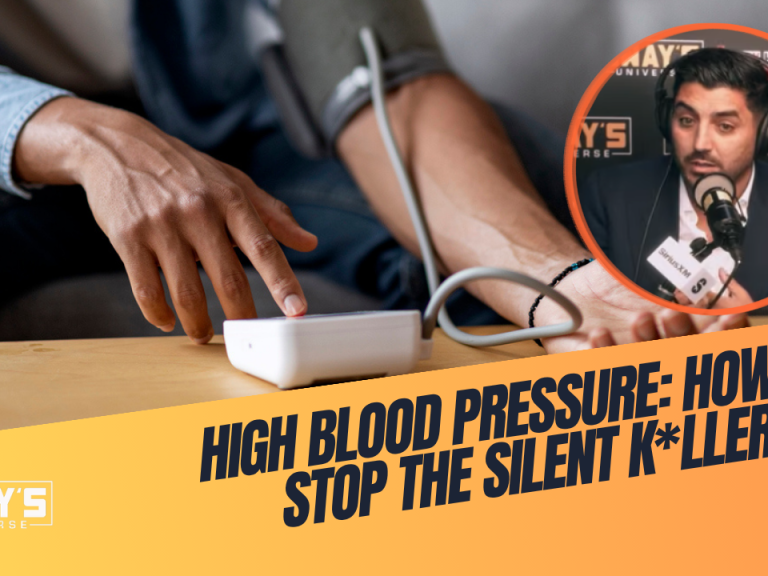
This is particularly dangerous when it comes to hypertension, or high blood pressure. Hypertension is frequently referred to as the “silent killer” because, in most cases, it has no obvious symptoms. You can’t feel your blood pressure rising, but over time, that high pressure wears away at your “pipes”, the arteries and organs that keep you alive.
According to Dr. Daibes, one in two men, particularly African-American men, suffer from hypertension without even knowing it. If left unchecked, this silent strain leads to heart disease, kidney failure, liver disease, and even early-onset dementia.
Why Looking Fit Isn’t Enough
A common misconception is that if you look good in the mirror and stay active, you are automatically healthy. The transcript highlights two powerful stories that debunk this myth:
- Sway’s Story: Despite eating well and being athletic, Sway discovered his blood pressure was spiking during a routine visit to the dentist for dental implants. He initially thought it was “white coat syndrome” (anxiety caused by being in a medical setting), but the reality was that his body was under stress he didn’t even feel.
- Ramel’s Story: A 52-year-old caller who plays soccer and runs a sports school shared his experience. Despite being in excellent physical shape, he returned from an overseas tournament to find his blood pressure at a staggering 215/113. He felt “really good” and had no headaches, illustrating exactly why hypertension is so deceptive.
These stories prove that physical fitness does not grant you immunity from cardiovascular issues. You can be an elite athlete and still be at risk due to factors beyond your control.
The Power of Genetics
If you are doing everything right, eating clean, exercising, and managing stress, and your numbers are still high, the culprit might be your DNA. Dr. Daibes emphasizes that genetics play a massive role in heart health. You might have inherited a predisposition for high cholesterol or hypertension from your parents or grandparents.
While we can’t change our genetics, we live in an era where we can manage them. Our ancestors may have “dropped dead” at 50 without anyone knowing why, but today, we have the screenings and technology to identify these risks decades before they become fatal.
Key Risk Factors to Watch For
While hypertension is often silent, there are certain signs and lifestyle factors that every man should be aware of. If you experience any of the following, it is time to get a professional screening:
- Frequent headaches or blurry vision
- Shortness of breath when performing basic tasks like walking up stairs
- Chest discomfort or unexplained fatigue
- Sleep Apnea: If you snore loudly or wake up gasping for air, you are putting immense stress on your heart.
Dr. Daibes highlights sleep hygiene as a critical component of heart health. Getting eight hours of restful sleep is just as important as brushing your teeth or showering. Poor sleep is a direct contributor to high blood pressure and cardiovascular strain.
Actionable Steps: How to Take Control
The goal of Men’s Health Month is not just to provide information, but to spark action. Here is how you can start taking control of your heart health today:
1. Start a Blood Pressure Log
Don’t rely on a single reading at the doctor’s office. Dr. Daibes recommends keeping a simple log. Take your blood pressure twice a day, once in the morning and once around dinner time, and record the numbers. This helps your doctor see a trend rather than a “one-off” incident caused by stress or caffeine.
2. Prioritize Lifestyle Modifications
Before jumping straight to lifelong medication, many men can see significant improvements through lifestyle changes. This includes:
- Reducing Salt Intake: Salt is a major contributor to high blood pressure.
- Weight Management: Even modest weight loss can drastically lower the strain on your heart.
- Sleep Hygiene: Treat your sleep schedule with the same discipline you treat your work schedule.
3. Don’t Fear Medication
If lifestyle changes aren’t enough, do not view medication as a failure. Taking a pill to manage your blood pressure is far less expensive and far less devastating than suffering a heart attack or a stroke. Prevention is always cheaper and easier than intervention.
Key Takeaways for Men’s Health
- Be Proactive, Not Reactive: Don’t wait for a symptom to appear. Get checked while you feel good to prevent damage in your 50s, 60s, and 70s.
- Know Your Numbers: Understand your blood pressure, cholesterol, and sugar levels.
- Genetics Matter: Talk to your family about their medical history so you know what you are up against.
- Hypertension is Treatable: It is a manageable condition, but only if you acknowledge it exists.
Your health is your greatest asset. As Dr. Daibes noted, being proactive isn’t just about you, it’s about being there for your family and loved ones in the long run. This June, let’s break the cycle of silence. Stop making excuses, stop relying solely on how you “look,” and start paying attention to how your body is actually functioning.
Whether it’s scheduling a long-overdue physical or starting a blood pressure log, take one step today to ensure you are around for many more years to come. Remember, prevention is the best medicine.
Watch the full video: