
It’s Black Music Month, and we’re turning up the volume on a sound that’s been moving crowds for half a century. Go-Go isn’t just music—it’s the heartbeat of Washington, D.C., a genre born from funk, soul, and the unstoppable spirit of the city’s African American community.
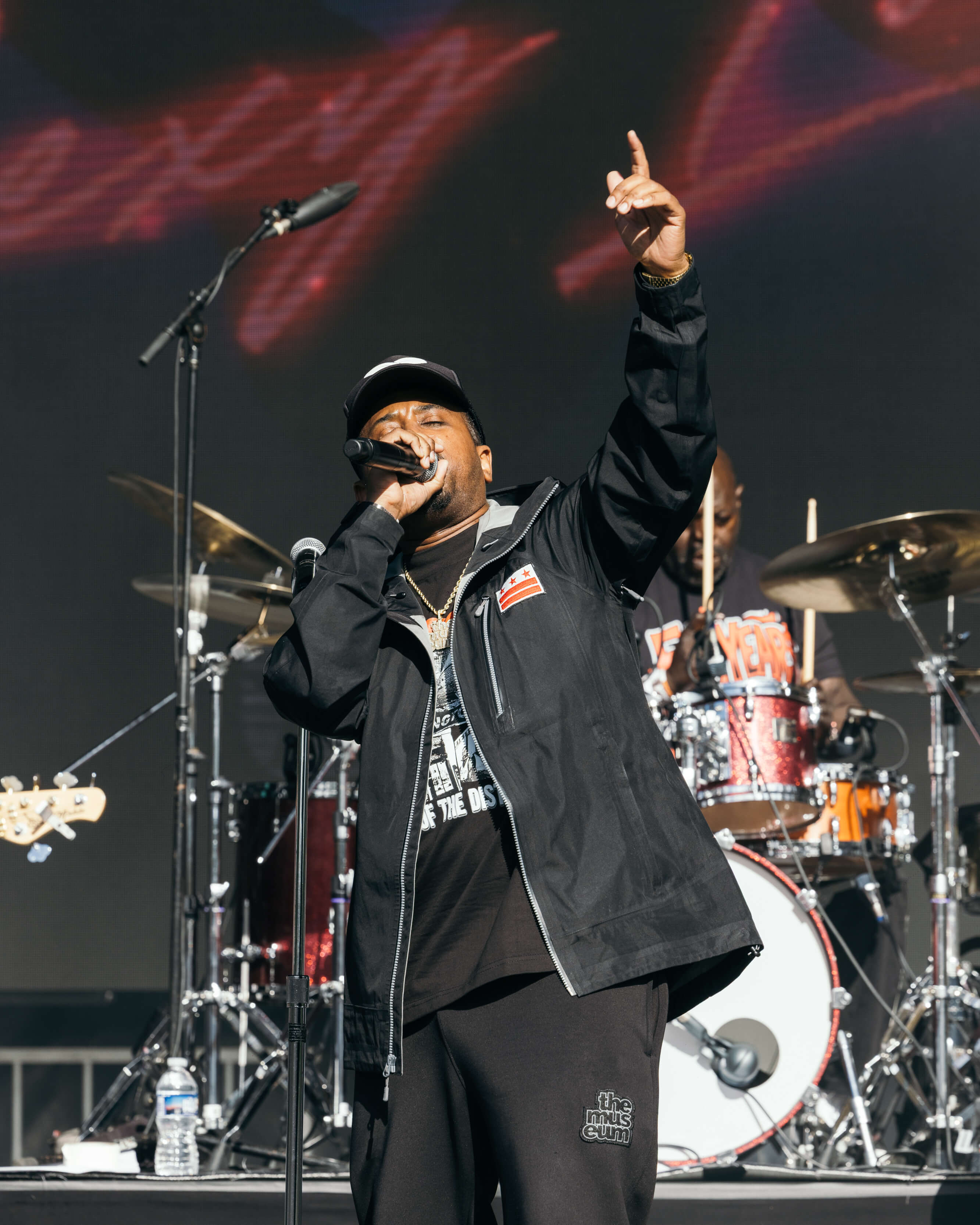
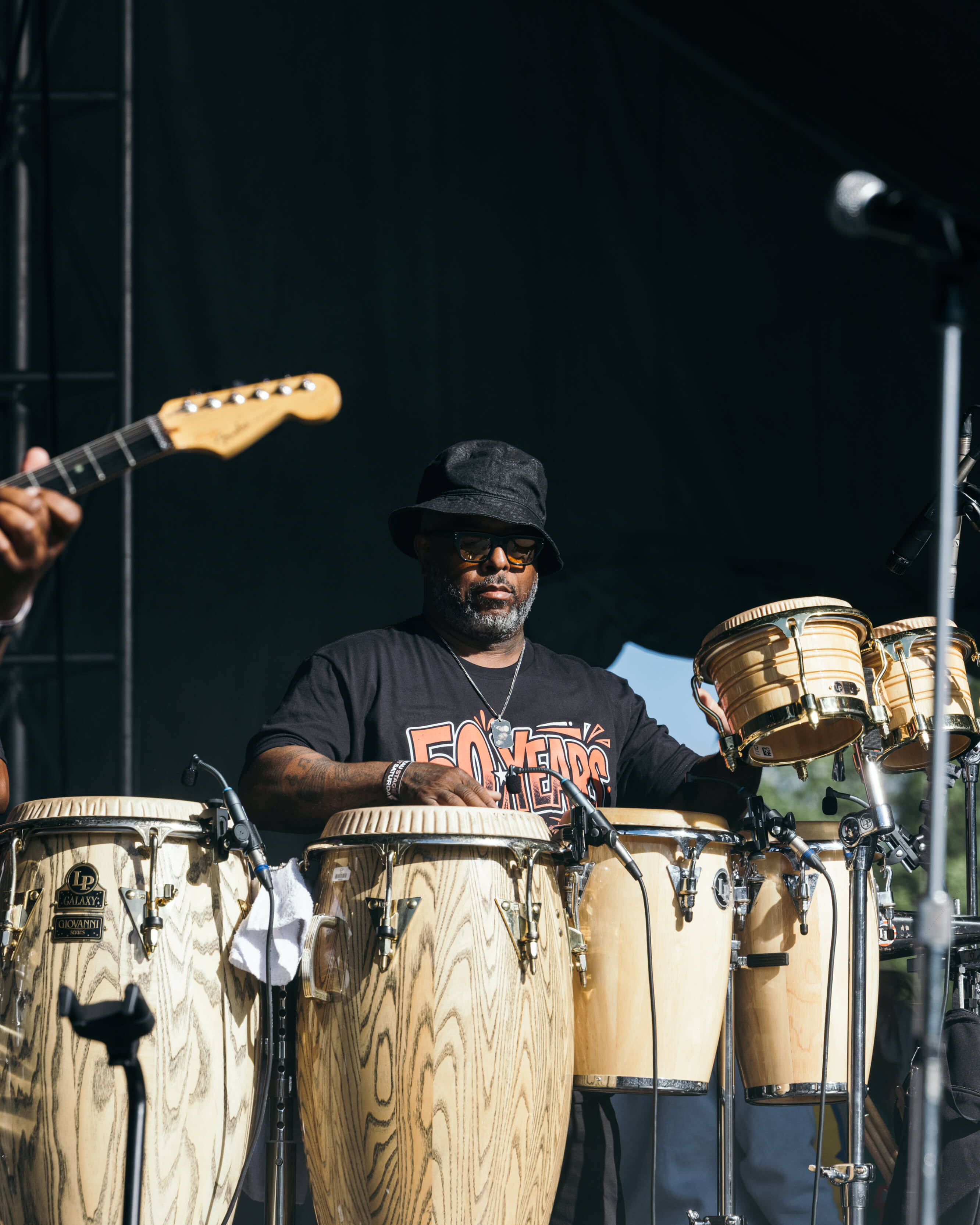
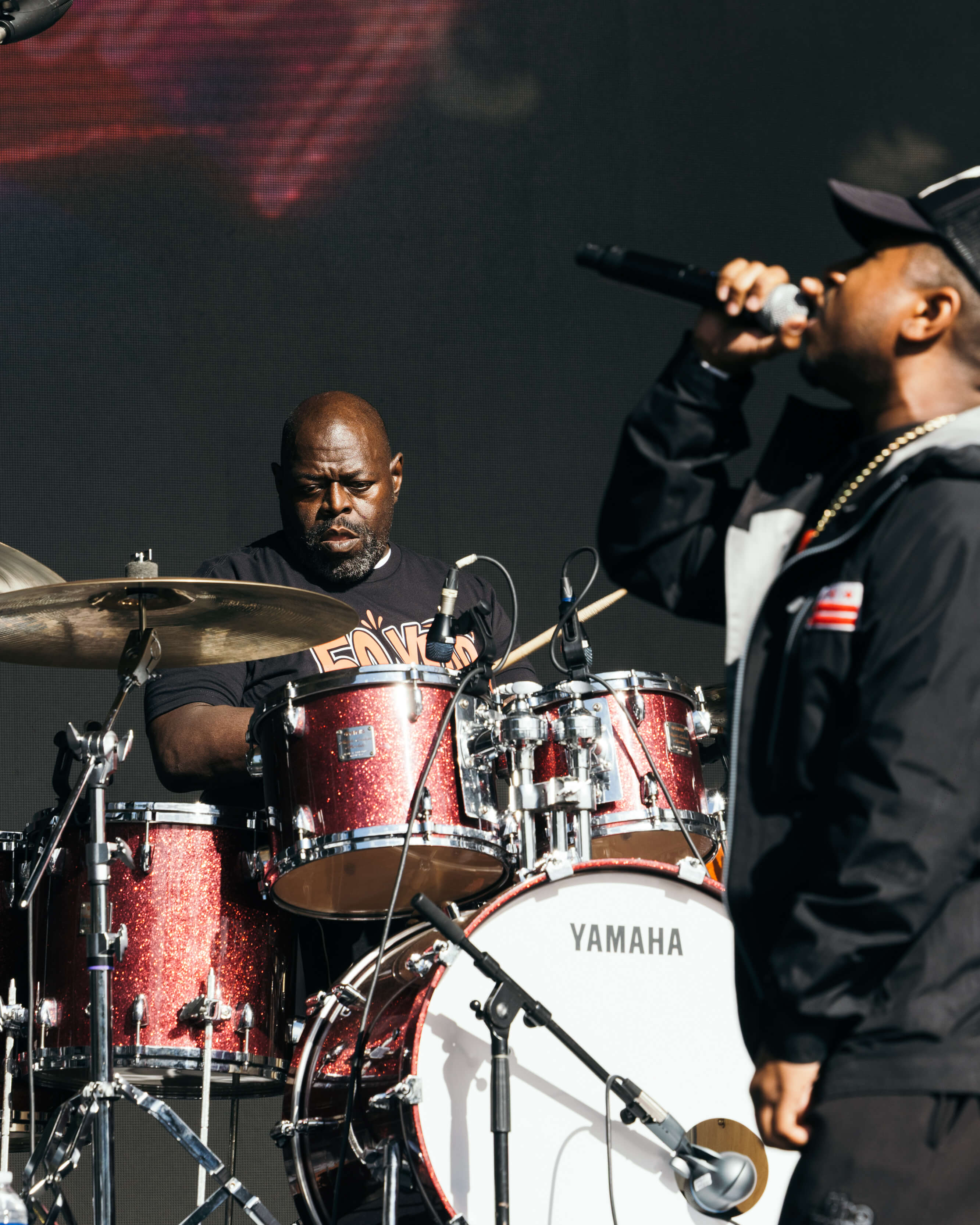
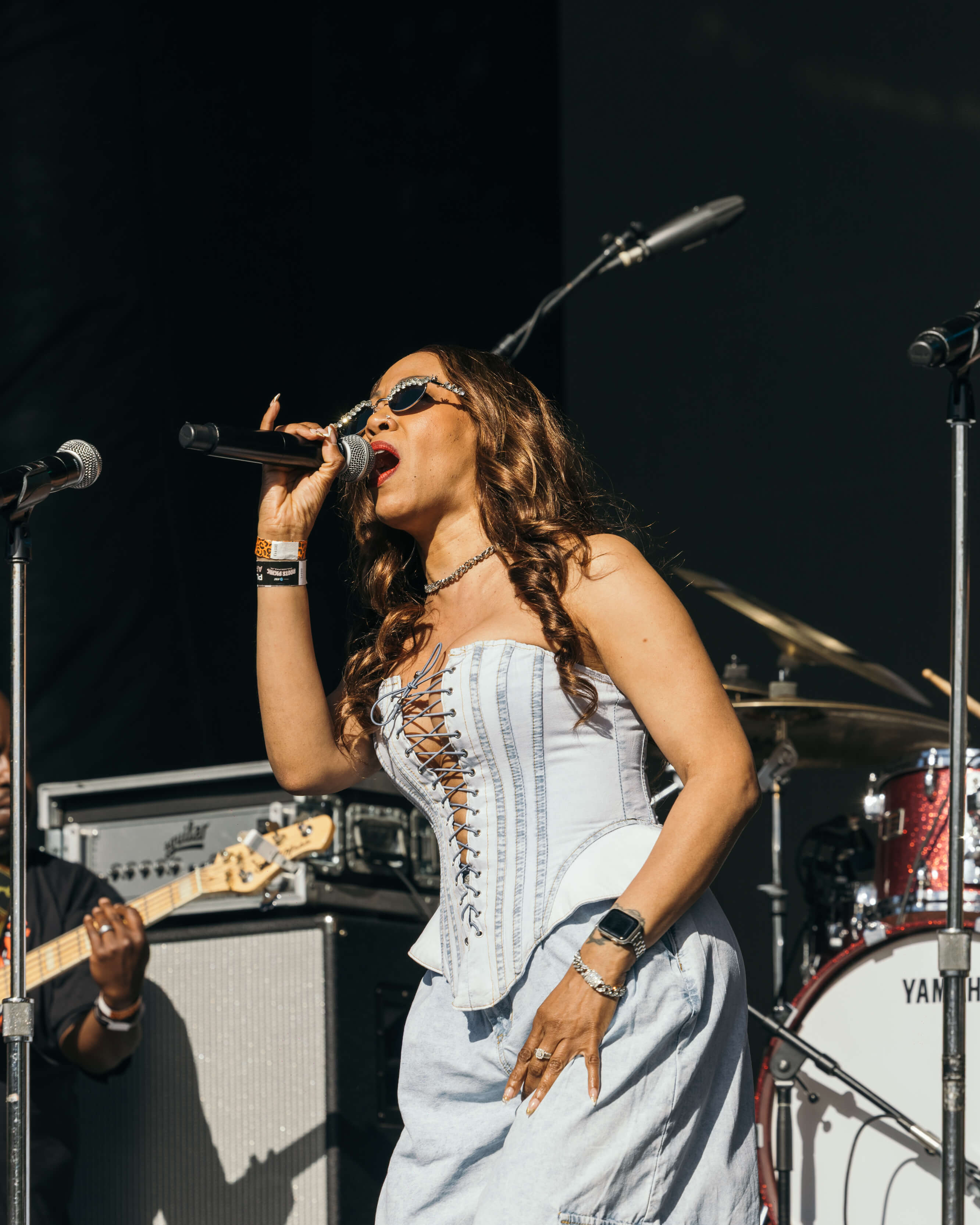
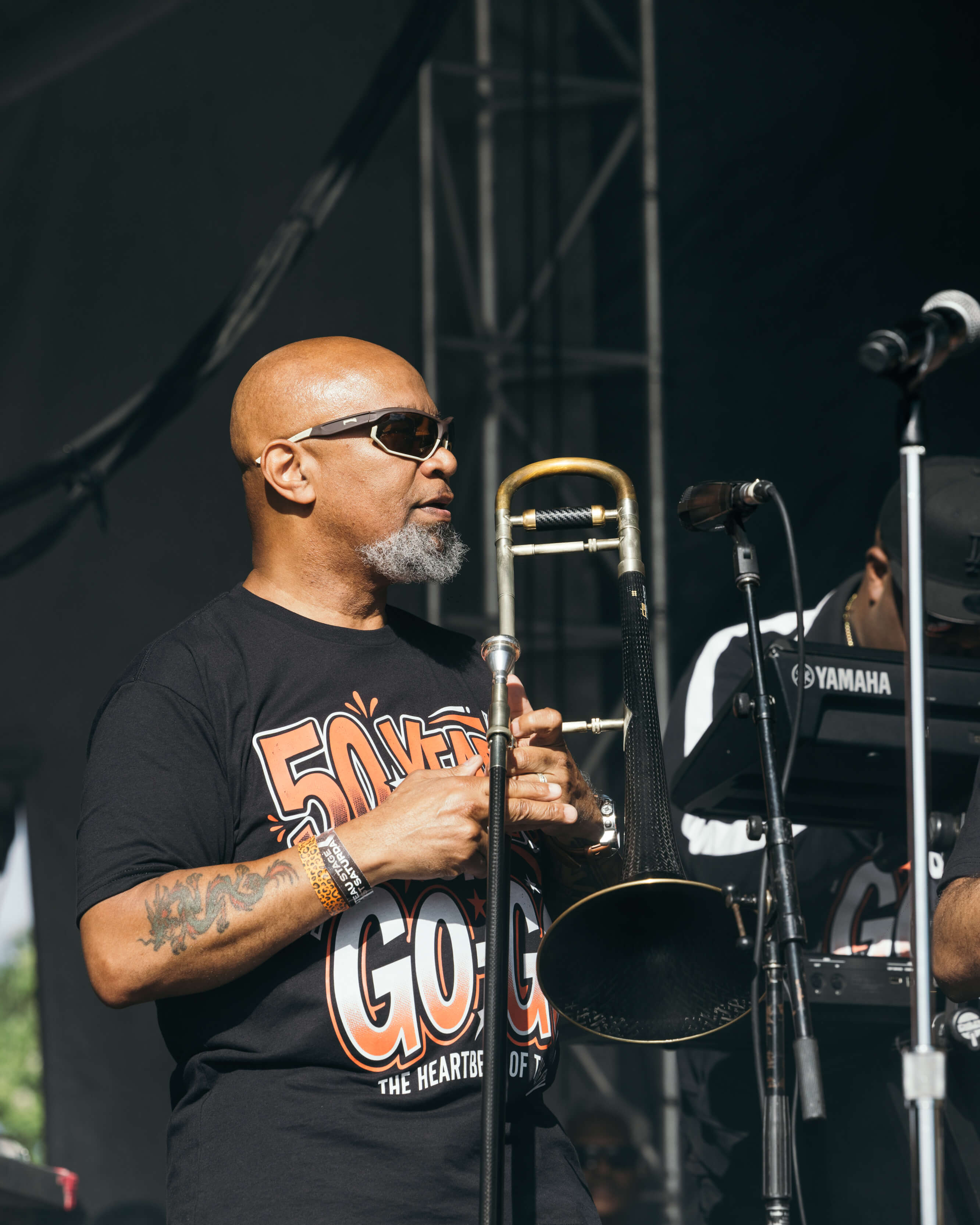
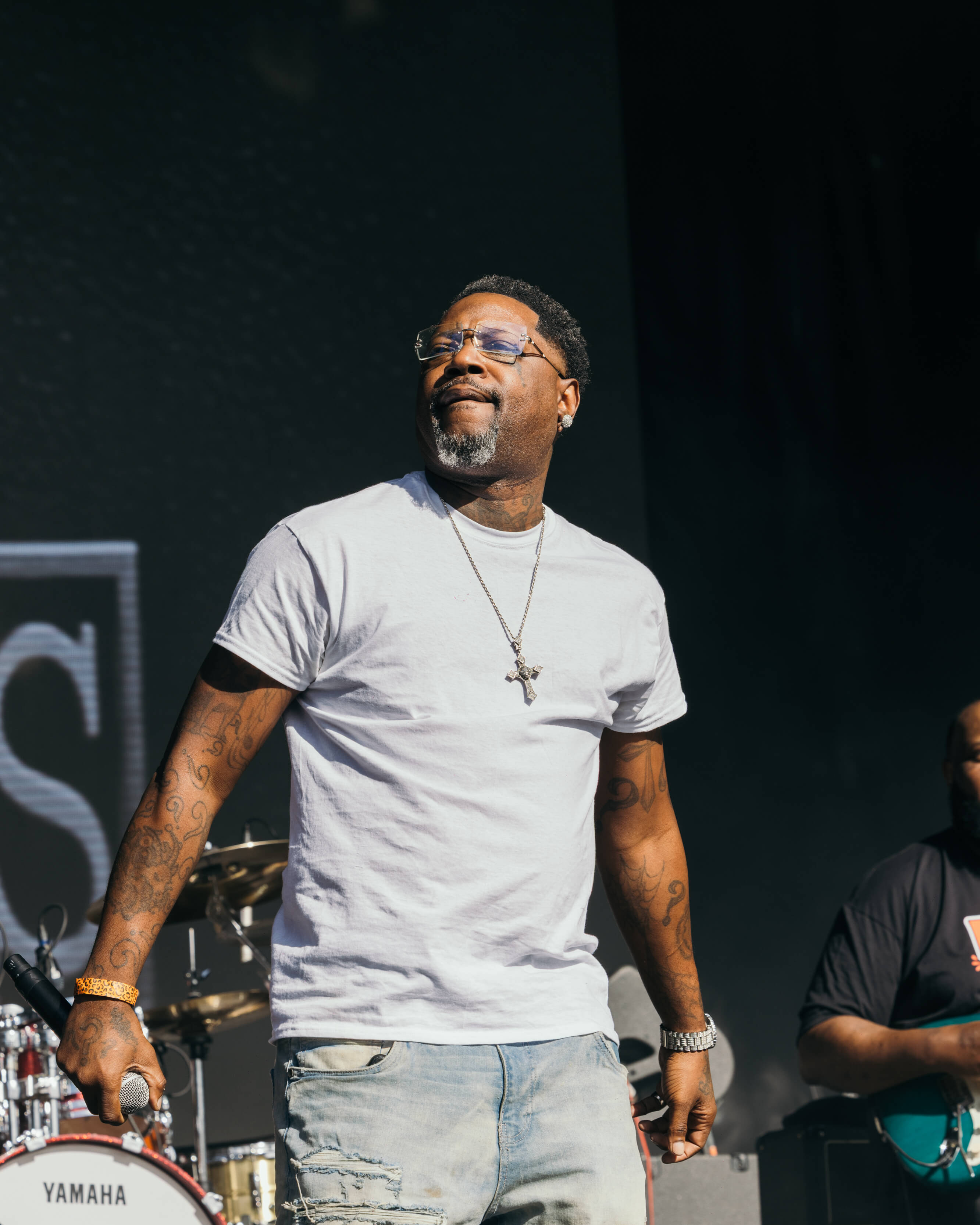
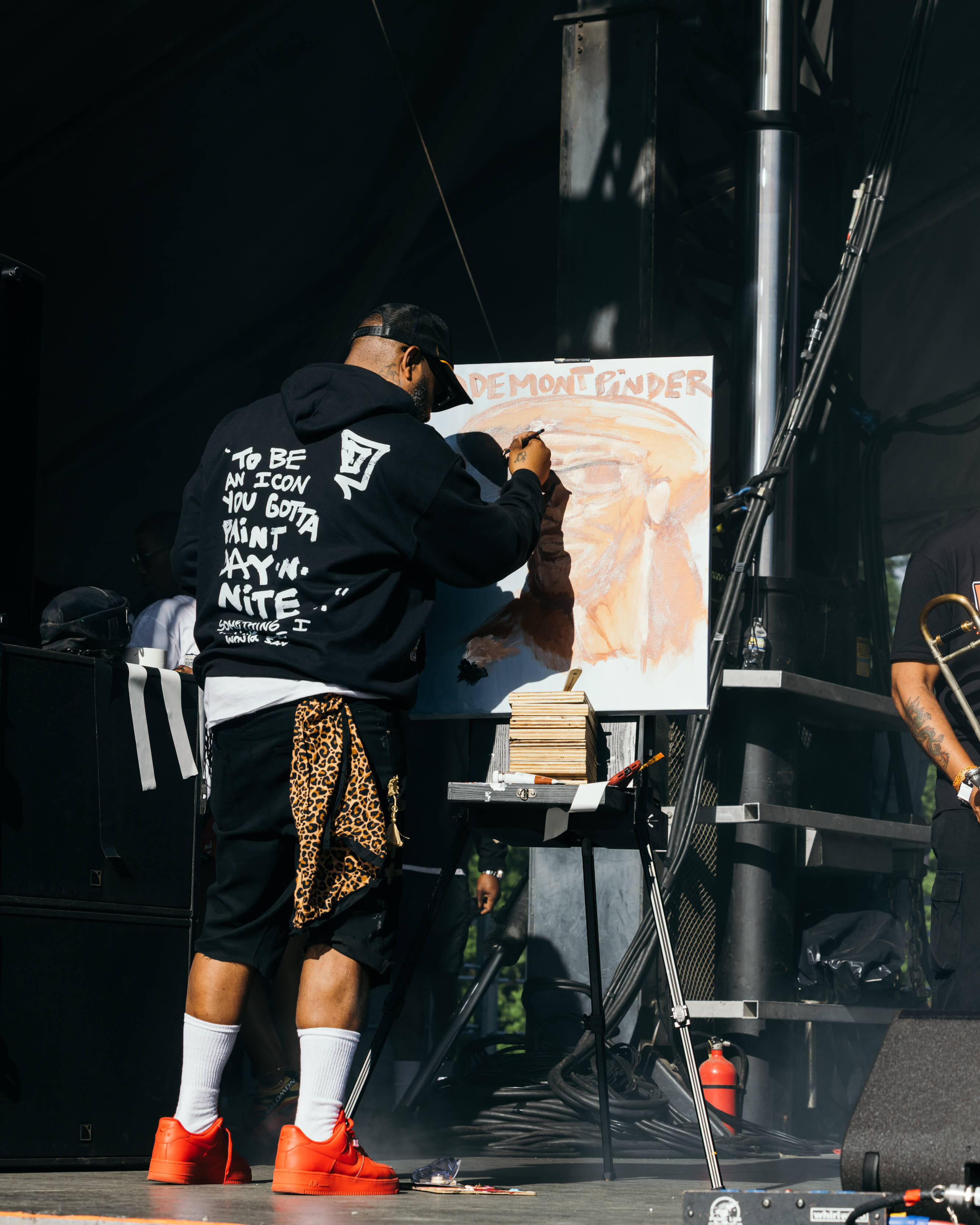
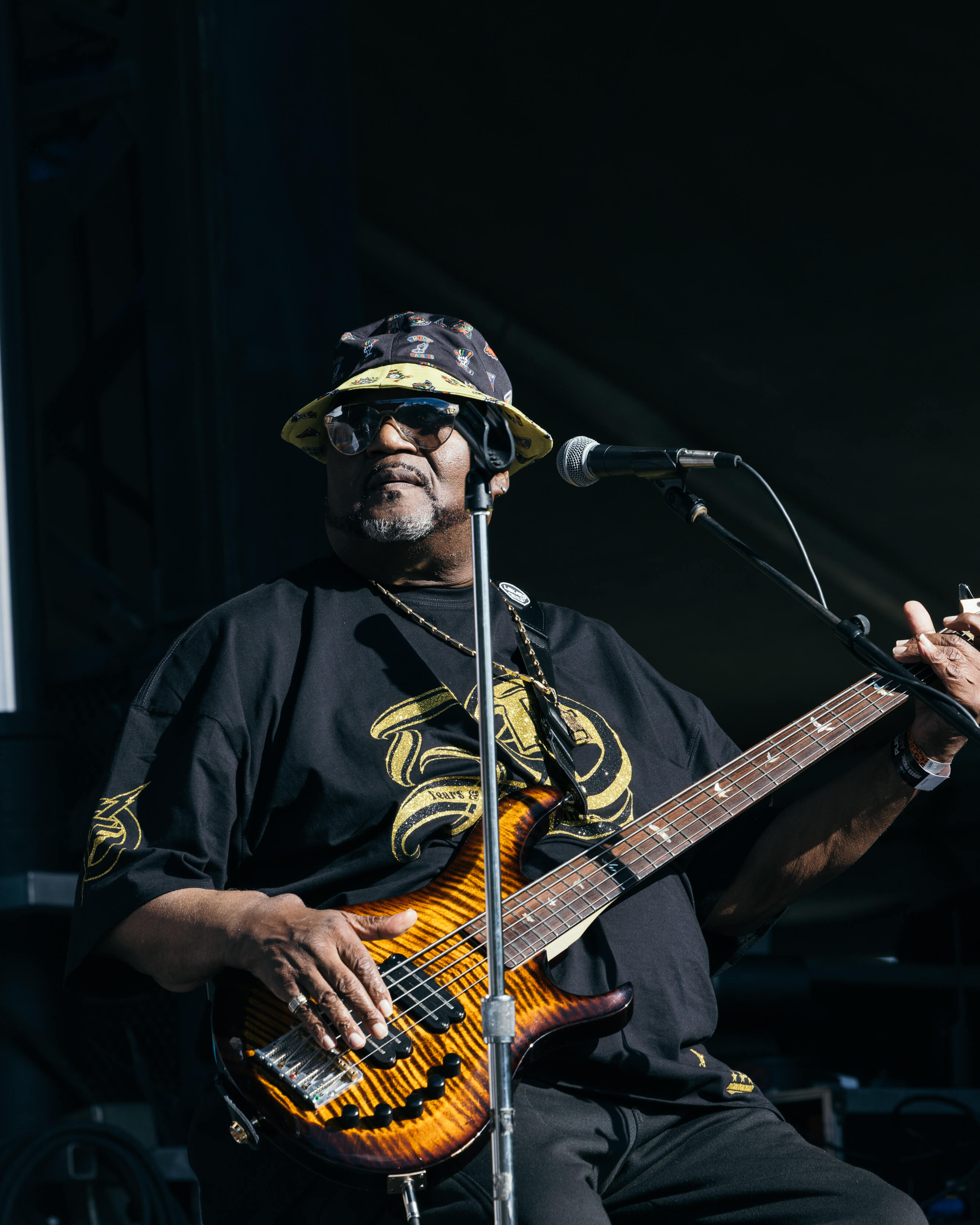
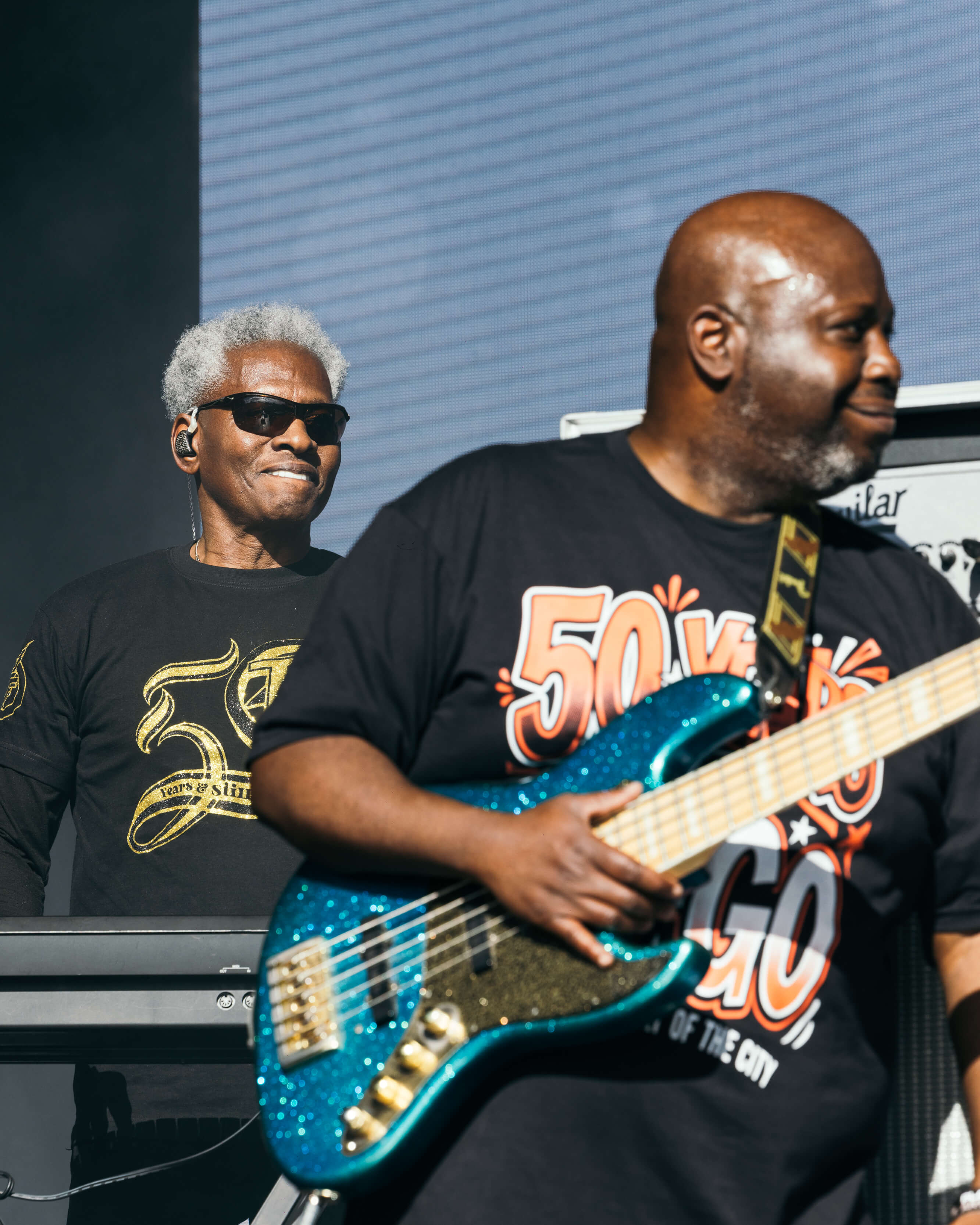
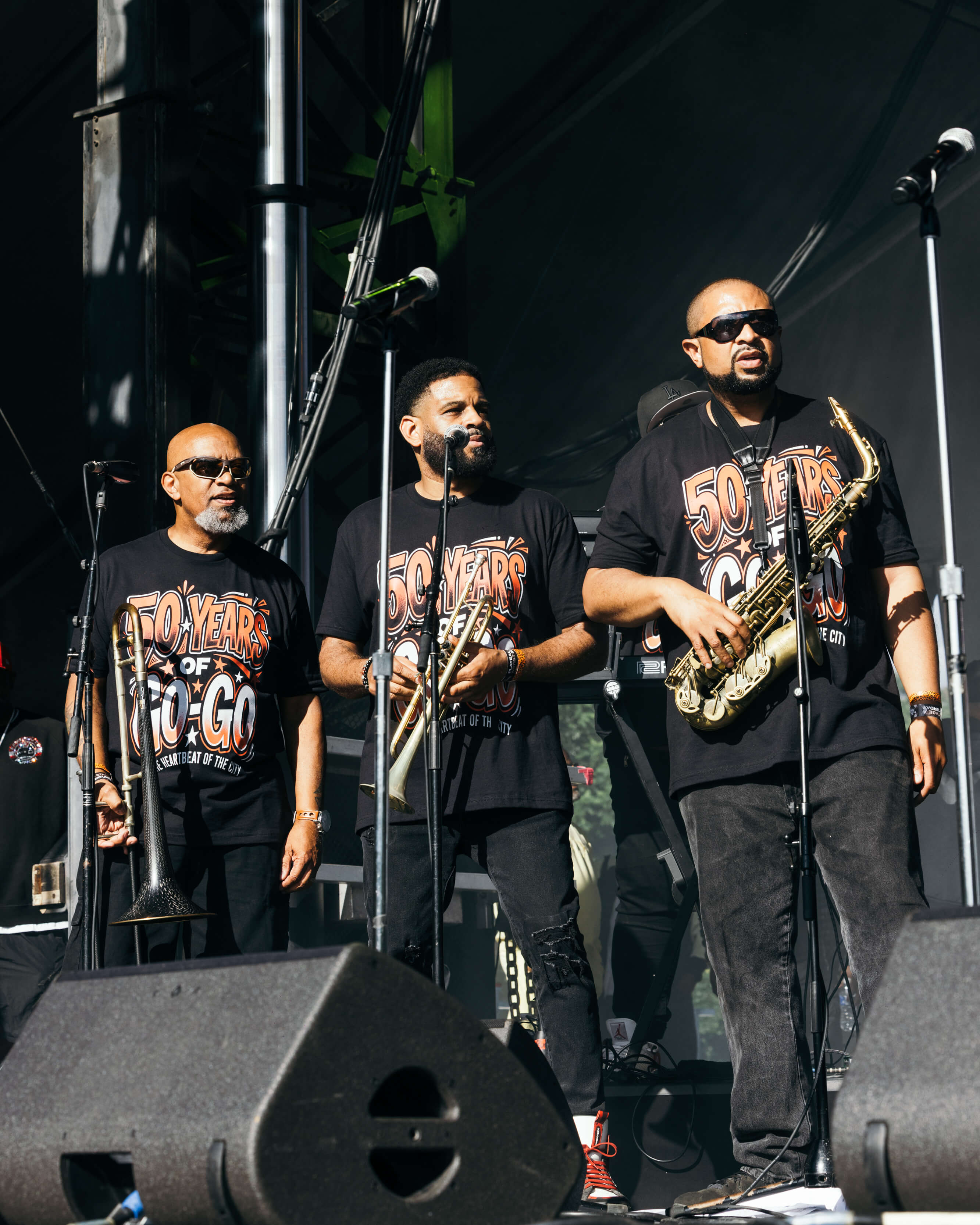
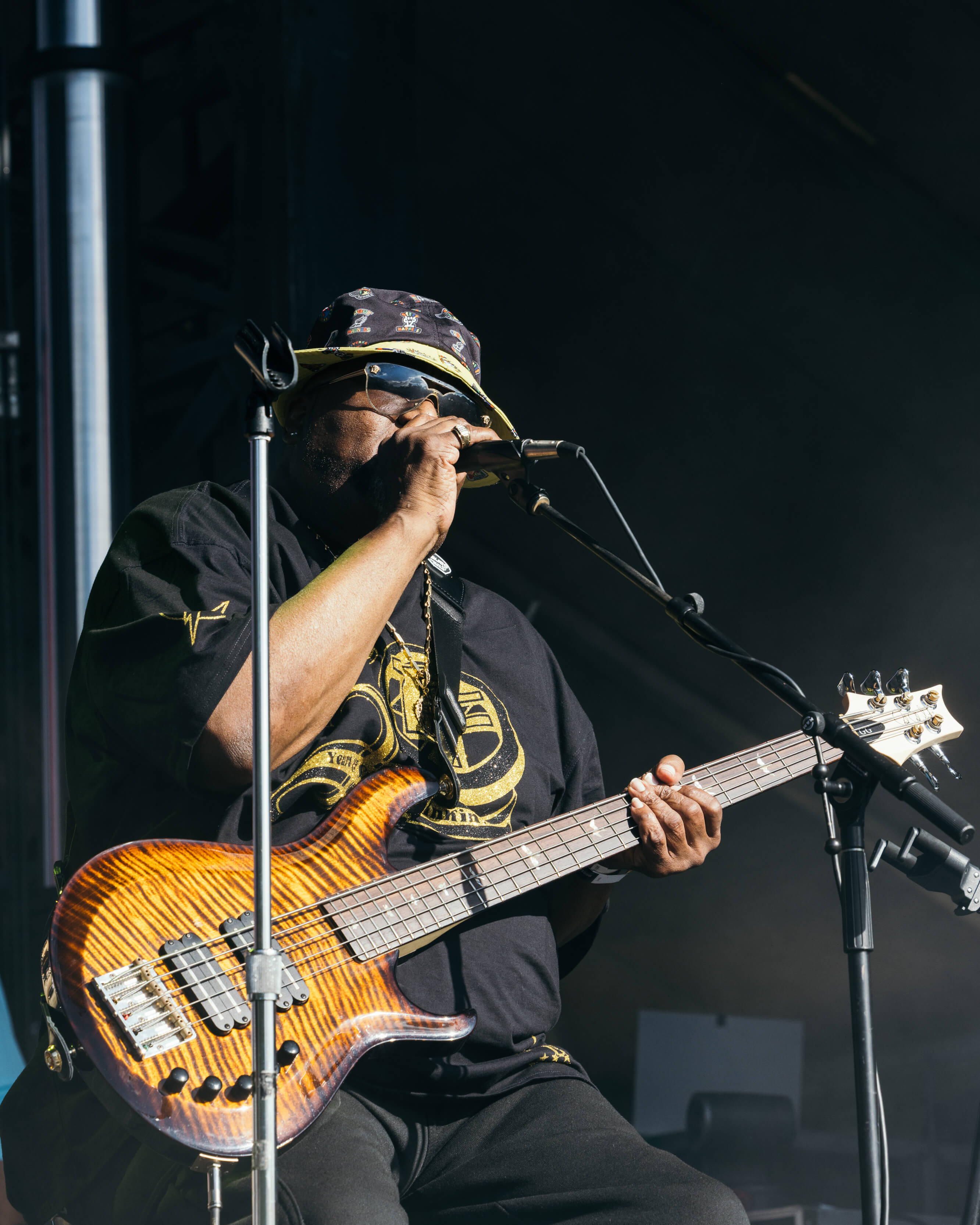
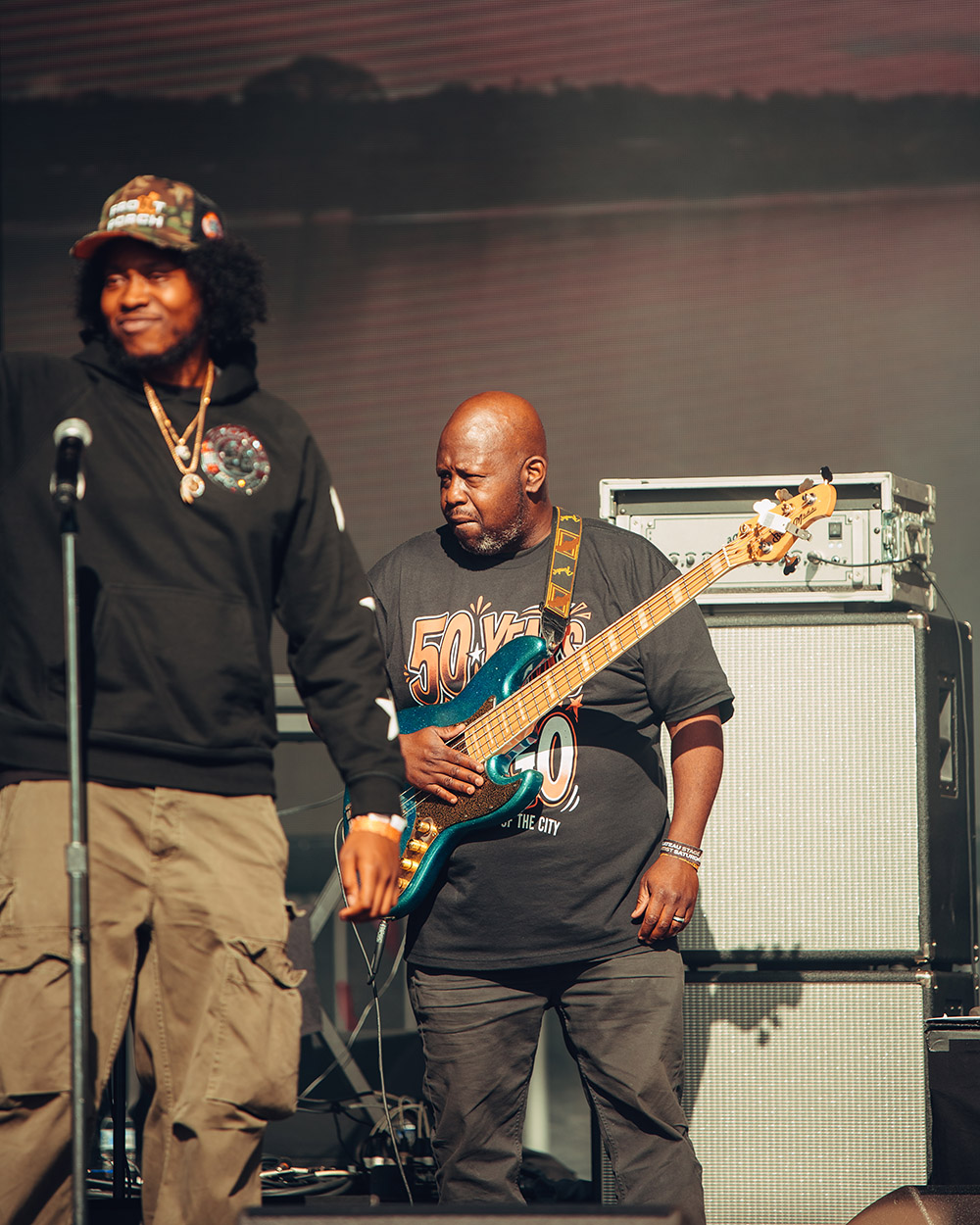
This year, the Roots Picnic honored that legacy with a “50 Years of Go-Go” tribute hosted by Kenny B and Noochie. So let’s pull up a seat, grab a cowbell, and celebrate the rhythm that refuses to quit.




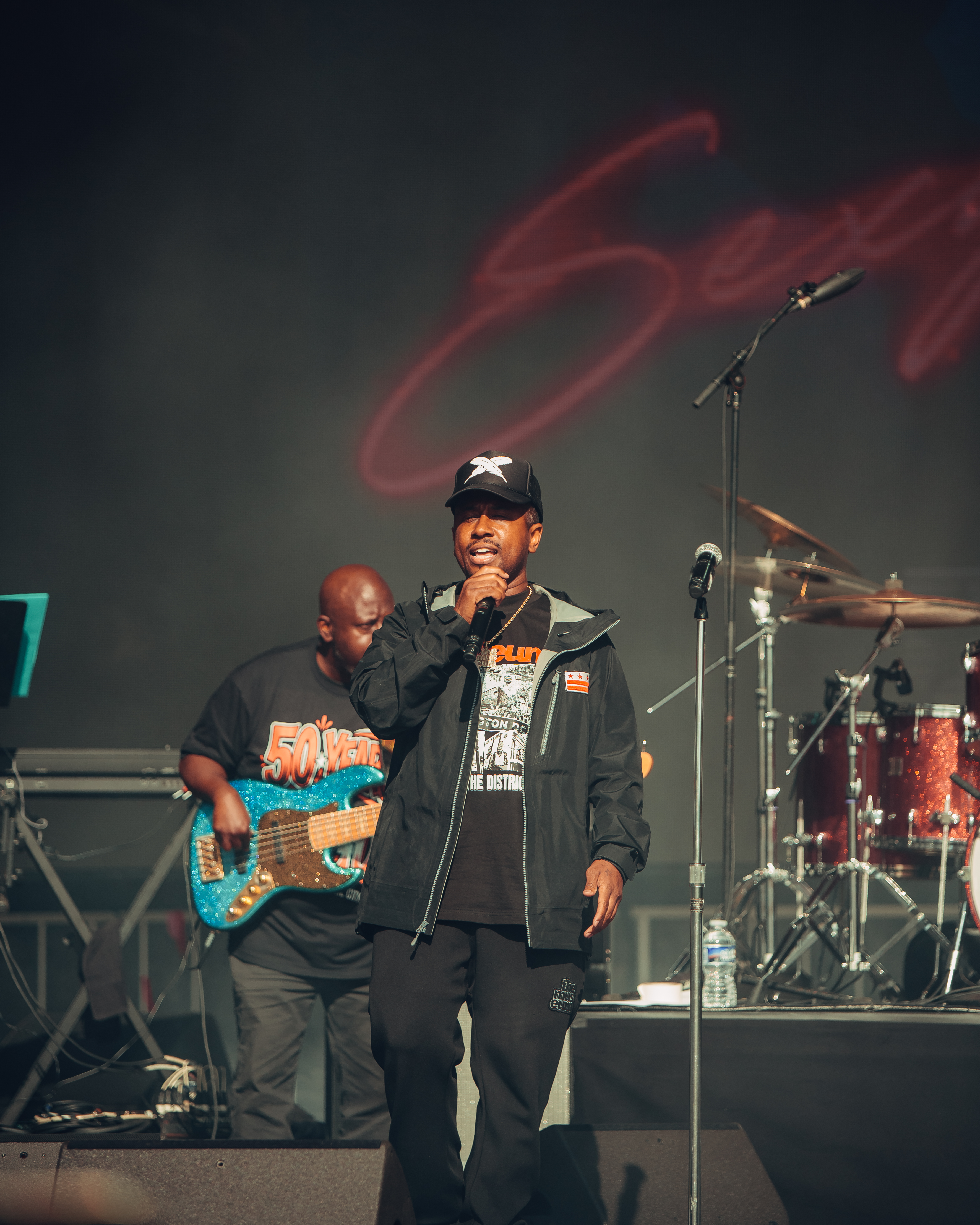
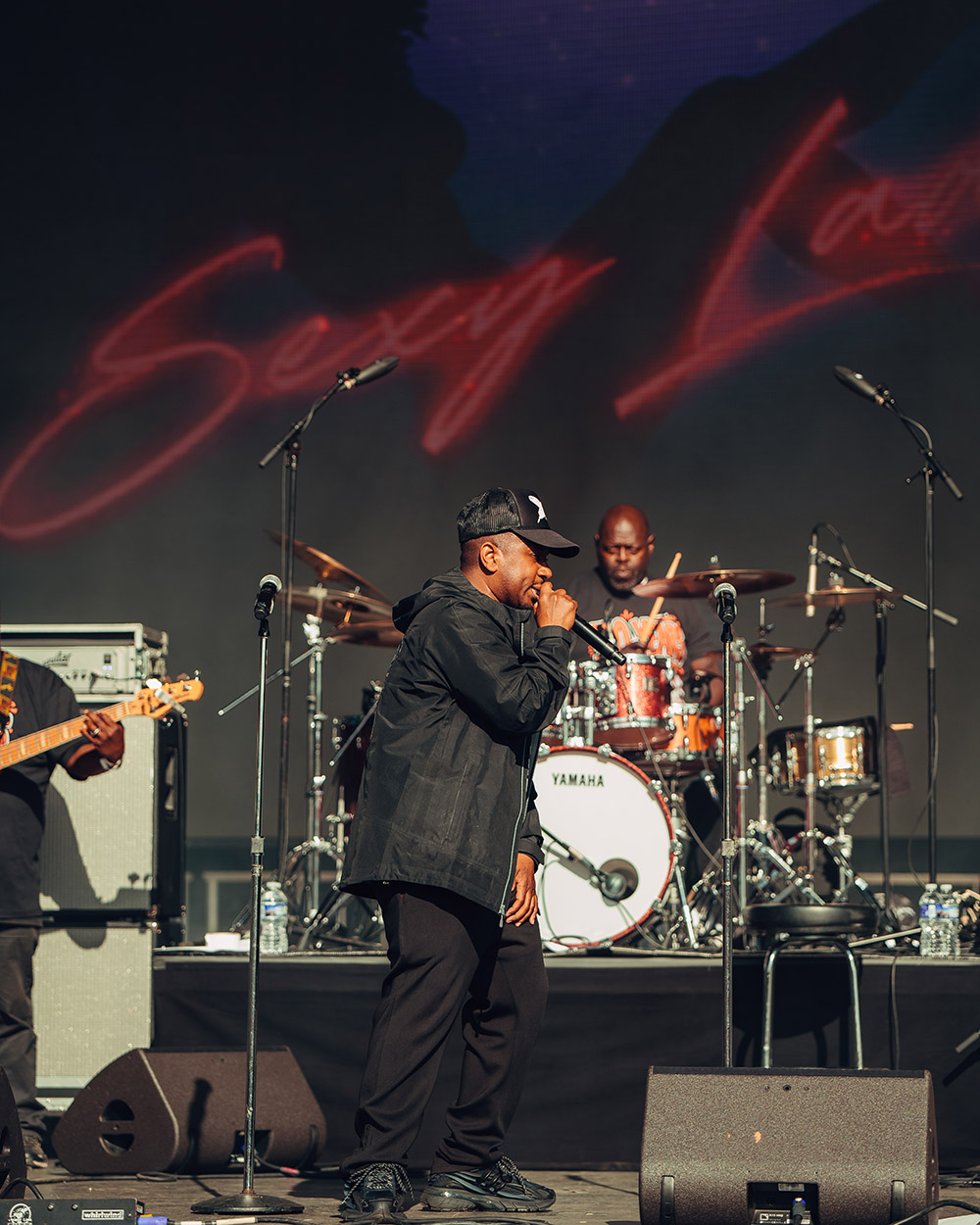
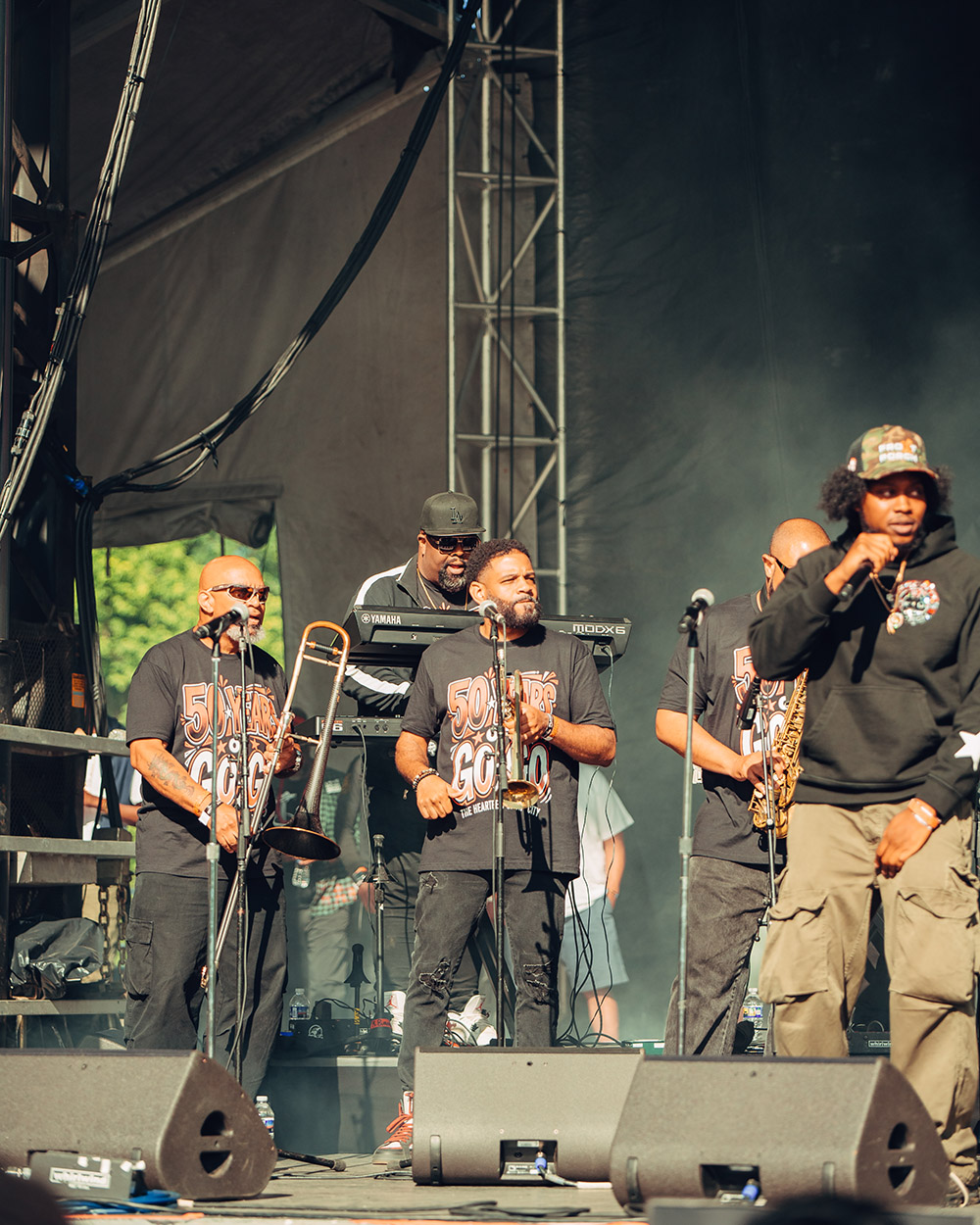

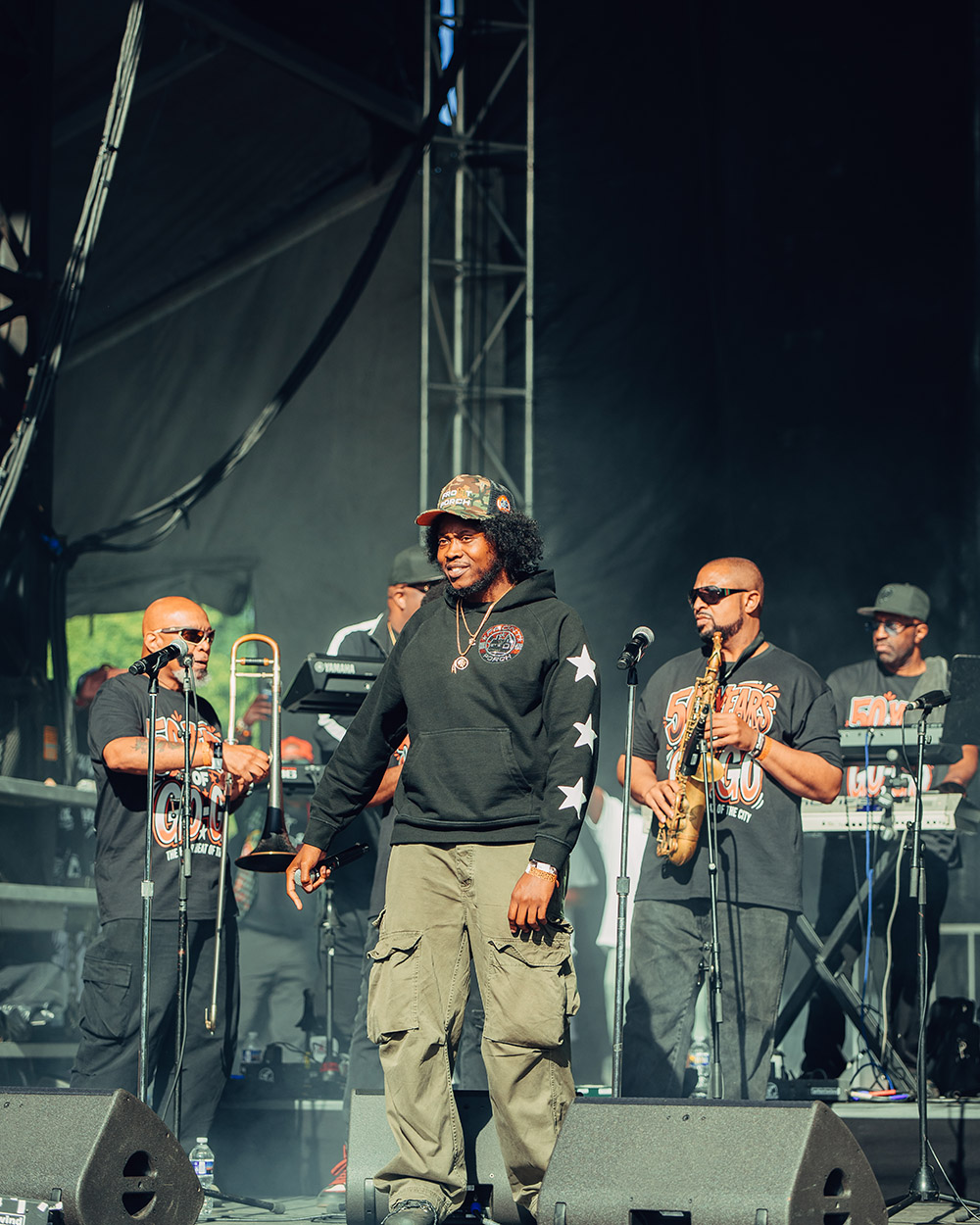
Where Go-Go Got Its Groove
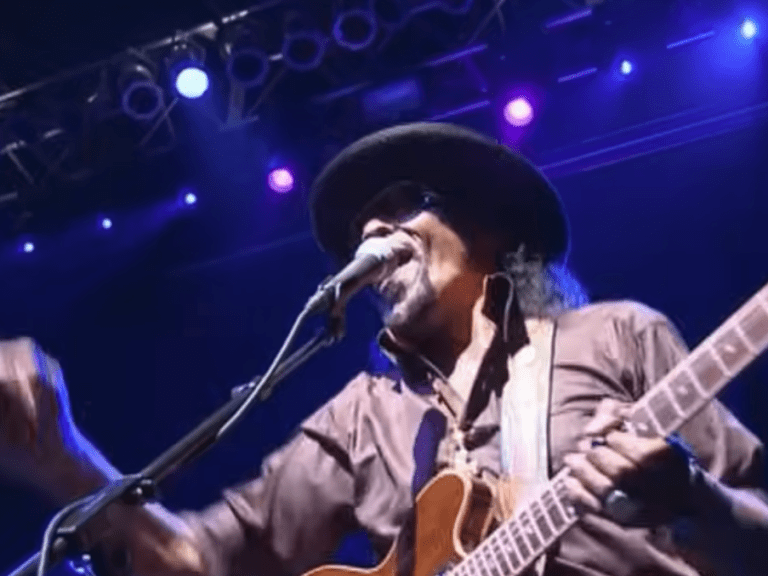
Go-Go traces its roots back to the funk and soul scenes of the 1960s and ’70s. But the genre really found its sound in the mid-1970s, thanks to one man: Chuck Brown.
Known as the “Godfather of Go-Go,” Brown and his band, The Soul Searchers, dropped “Bustin’ Loose” in 1975. The track became a local anthem and set the blueprint for everything that followed. Fifty years later, that foundation still holds strong.
What Makes Go-Go Sound Like Go-Go?
At the center of it all is the “pocket”—a syncopated beat that keeps the groove rolling nonstop between songs. That continuous rhythm is what turns a show into a party and a crowd into a community.
Congas, timbales, and cowbells drive the sound, giving Go-Go its signature percussive punch. Add call-and-response chants and improvisational jams, and you’ve got performances that pull everyone into the moment. Nobody just watches Go-Go. You feel it.
The genre thrived in D.C.’s legendary club scene, with venues like The Ibex and The Club LePearl giving local bands a stage to shine and connect with their people.
Resilience Through the Hard Years
Go-Go’s road wasn’t always smooth. The genre got a brief flash of national attention in the 1980s but struggled to break into the mainstream. The crack epidemic and rising violence forced several venues to shut their doors.
Still, the music held on. Go-Go became a voice for D.C.’s African American community, speaking to social and political realities through its lyrics. It wasn’t just entertainment—it was identity, resistance, and pride all wrapped into one beat.
That persistence paid off. In 2020, the District of Columbia officially named Go-Go the city’s official music. Bands like Rare Essence and Backyard Band keep carrying the torch, passing the rhythm to a new generation.
Go-Go Goes to College: The HBCU Connection
If you went to an HBCU, you’ve felt Go-Go—whether you knew it by name or not. HBCU marching bands have woven D.C.’s native sound into their halftime shows and electric “5th Quarter” performances.
The result? Heavy “pocket” beats, driving cowbells, and multi-layered brass arrangements that hype up the crowd and the squad. During post-game stand battles, bands often slide from standard field tunes into nonstop, up-tempo Go-Go medleys that let the drumline take over.
Powerhouses like Norfolk State University’s “Spartan Legion” and Howard University’s “Showtime” marching band have made these rhythm-heavy breaks go viral. Shout out to the Go-Go bands that elevated the college experience—groups like UCB and CCB that brought the DMV bounce to campus life.
The HBCU GO network keeps that energy alive, regularly featuring these halftime shows, “Battle of the Bands” showcases, and documentaries on the evolution of Black collegiate music.
Go-Go on the Big Stage
The connection between HBCUs, Go-Go, and Black culture has spilled into the mainstream spotlight. At the HBCU Honors stage, Grammy winner Fantasia delivered a viral, Go-Go-infused performance that bridged R&B with the signature DMV bounce.
Go-Go beats have also become a staple at the Pepsi National Battle of the Bands, where the country’s top marching bands bring the heat. The pocket keeps spreading, one stage at a time.
The Beat Goes On
From Chuck Brown’s “Bustin’ Loose” to viral HBCU halftime shows, Go-Go has proven it’s more than a genre—it’s a movement built on community, culture, and pure rhythm. Fifty years in, the beat shows no signs of slowing down.
So this Black Music Month, throw on some Rare Essence, study up on the Godfather, and let the pocket pull you in. Got a favorite Go-Go band or memory? Drop it in the comments and join the conversation—your voice matters.