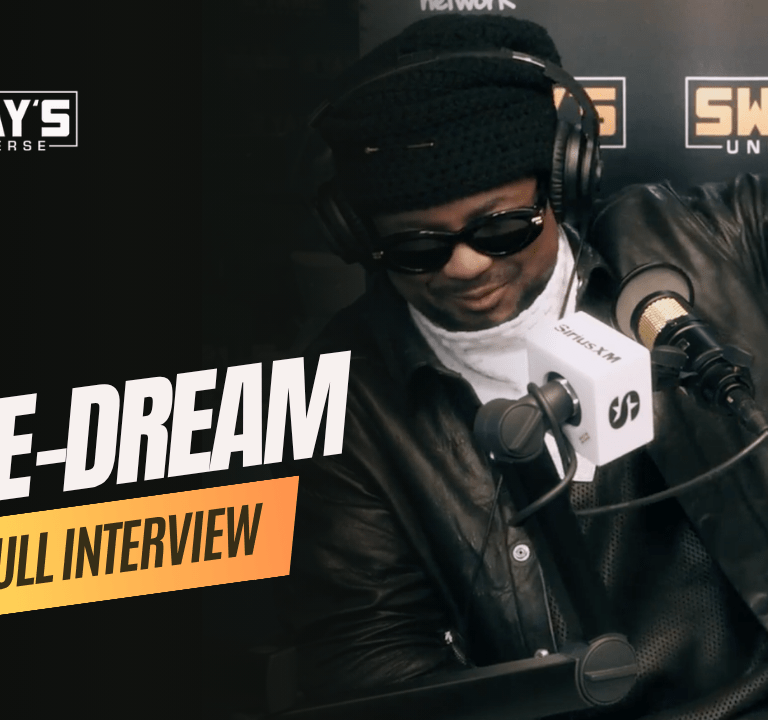


When Wesley Snipes walks into a room, you know you’re in the presence of a cinematic legend. From the cold-blooded charisma of Nino Brown to the dhampir intensity of Blade, Snipes has defined generations of action and drama. Recently, the icon sat down for an unfiltered conversation on Sway in the Morning to discuss his legendary career, the friction on famous movie sets, and his latest creative venture: a spiritual thriller titled Talon of God.
The interview wasn’t just a trip down memory lane; it was a masterclass in character building, industry resilience, and the importance of creative control. Whether you’re a die-hard fan of 90s cinema or looking for insights into the mind of a high-level artist, there is plenty of “game” to be found in this discussion.
The Legacy of New Jack City: Building Nino Brown
One of the most fascinating revelations from the interview was Snipes’ initial hesitation to play the role that would become one of his most iconic: Nino Brown in New Jack City. Despite the film’s eventual status as a cult classic, Snipes wasn’t immediately sold on the idea of playing a drug kingpin.
“I turned the film down a couple of times when they first approached me,” Snipes admitted. His primary concern was the representation of the Black community. He expressed a desire not to contribute to the “degenerate” or “unhumanly” images of Black men often depicted in Hollywood at the time. However, his background in classical theater eventually changed his perspective. Having graduated from the theater arts school at the State University of New York, Snipes decided to approach the role as a classical character study, using legendary performances like Al Pacino’s in The Godfather and Serpico as his North Star.
The “Black Godfather” Ambition
The production of New Jack City was pitched as the “Black Godfather,” though Snipes jokingly recalled that the reality of the set was a bit more eclectic than promised. With a cast featuring musicians like Ice-T, Christopher Williams, and even cameos from stars like Keith Sweat, the set felt more like a “concession stand” of talent than a traditional Hollywood drama. Yet, against the odds, the film became a cultural powerhouse that remains relevant decades later. Snipes even confirmed that rumors of a sequel have floated around for years, particularly because of the ambiguous nature of Nino’s fate.
The Denzel Question: Why Haven’t They Teamed Up?
For years, fans have wondered why two of the greatest actors of their generation, Wesley Snipes and Denzel Washington, haven’t shared the screen more often. Their only collaboration remains Mo’ Better Blues, a Spike Lee classic where Snipes played the ambitious Shadow Henderson. When asked why they haven’t “mashed up” again, Snipes was candid.
“I’ve stepped to him many times,” Snipes said, expressing his readiness to work with Washington again. He likened the potential pairing to the iconic face-off between Al Pacino and Robert De Niro in Heat. While there is a natural competitiveness between high-level artists, Snipes insisted that for him, it’s all about the craft. “I don’t care if I’m playing in the front or the back. Just put me on the team and put me on the field, coach.”
The Truth Behind the Friction on Blade: Trinity
The conversation inevitably turned to the Blade franchise, specifically the rumors of tension on the set of the third installment, Blade: Trinity. Snipes didn’t shy away from the controversy, pointing toward the choice of leadership as the primary source of friction. He noted that the director at the time had never directed a commercial, let alone a $50 million blockbuster.
“It’s a very expensive sandbox to be playing in or learning in,” Snipes remarked. His frustration stemmed from a place of protecting the “money” and the integrity of the franchise he helped build. While rumors of on-set clashes with co-stars like Ryan Reynolds have circulated for years, Snipes maintained a professional stance, noting that time has ultimately proven his concerns about the production’s direction were valid.
Talon of God: A New Cinematic Universe
While Snipes continues to be a force in film, he is currently channeling his creative energy into the world of literature. Along with co-author Ray Norman, Snipes has released Talon of God, a spiritual thriller that he hopes will eventually transition to the big screen. The book isn’t just a side project; it’s a deeply researched “spiritual food” designed to entertain and enlighten.
Writing for the Screen
Ray Norman joined the conversation to explain the collaborative process, noting that Snipes brought a wealth of spiritual knowledge and a “cinematic” eye to the writing. The book is famously detailed, described by readers as “watching a movie on paper.” Snipes explained that he writes visually, incorporating camera angles and storyboards into his mental process as he crafts the narrative.
- Visual Storytelling: The book uses vivid descriptions, such as the eerie “green glow” of the fictional Z3X drug, to create an immersive experience.
- Spiritual Depth: Drawing from his years of studying with spiritual masters, Snipes infused the plot with themes of faith, battle, and higher consciousness.
- Community Impact: Snipes views the book as a way to provide “spiritual food” to his community, encouraging readers to feed their minds as much as they seek entertainment.
Resilience and the Path Forward
The interview also touched briefly on Snipes’ personal hurdles, including his time spent incarcerated. While he promised a deeper conversation on that experience in the future, his focus remains firmly on the horizon. Despite his massive filmography, Snipes told the audience, “I haven’t done my best movie yet. It’s coming.”
His lifelong dedication to martial arts, a practice he started at age 12, has clearly provided the discipline necessary to navigate the highs and lows of Hollywood. For Snipes, the journey is far from over; it’s simply evolving into new forms of storytelling and mentorship.
Key Takeaways from the Interview
- Character over Caricature: Snipes’ approach to Nino Brown shows the importance of bringing depth and “classical” training to every role, regardless of the genre.
- Protect the Vision: The friction on Blade: Trinity serves as a lesson in the importance of experienced leadership in high-stakes creative projects.
- Collaboration is Key: Despite his superstar status, Snipes remains eager to collaborate with other greats like Denzel Washington, prioritizing the “team” over ego.
- Multi-Dimensional Creativity: Transitioning from acting to writing Talon of God demonstrates how artists can expand their brand and share their message through different mediums.
Wesley Snipes remains one of the most compelling figures in entertainment because he refuses to be boxed in. Whether he’s discussing the “game” hidden in New Jack City, the technical frustrations of a blockbuster set, or the spiritual themes of his new book, his passion for excellence is undeniable. As he continues to build the Sway’s Universe and beyond, one thing is clear: the world hasn’t seen the last of Wesley Snipes’ greatest work. Keep an eye out for Talon of God and stay tuned for the next chapter in the career of a true original.
Watch the full video: