Holland Izz and AntDawg just dropped an energetic visual for their track “G-H-E-T-T-O” shot and edited by TenFifty. This track is featuring Inglewood’s own AJ, the One hosted by Crystal The DJ. This joint is super hype, hella fun with a whole lot of West Coast energy! It’s track 4 off their new album Eazy 2 B Mad, Hard 2 Be Happy. Y’all gotta run this up—it’s a whole vibe! Holland’s bringing that raw, unique flow, and AJ’s reppin’ Inglewood heavy with her swaggy bars. Don’t sleep on this one, it’s pure heat! Download and stream the album HERE
Producer/songwriter Tave and Kenyon Dixon have teamed up to bring you their latest single and visual, “Laid Back (Old School Chevy).” This track is pure R&B gold, with Kenyon’s signature smooth tone setting the perfect mood for a sexy night out. The song blends a classic vibe with fresh energy, creating a sound that’s nostalgic and contemporary.

Whether you’re cruising, slow dancing, or vibing out during a jam session, this record hits all the right notes. Kenyon once again proves why he’s a master at delivering timeless yet modern R&B. Don’t miss this one—it’s a vibe you’ll want to keep on repeat. Download and stream the record HERE
Buffalo’s own Jae Skeese drops highly anticipated project, 40 Hours. This seven-track album is like an ode to hip-hop, packed with clever bars and dope flows. Standout tracks like “Rotary Phone” and “Round & Round” hit hard, showing off his unique style and lyrical ability. 40 Hours dives deep into Jae Skeese’s grind, struggles, and wins, giving listeners a raw look into his life. It’s streaming everywhere now- Follow Jae Skeese on socials HERE

In today’s fast-paced world, where health often takes a backseat, Dr. Ian Smith is here to remind us that it’s never too late—or too early—to make the changes that can transform our lives. A renowned physician, bestselling author, and media personality, Dr. Smith recently joined Sway In The Morning to discuss his game-changing books “Eat Your Age” and its companion recipe book. With insights tailored to every life stage, Dr. Smith delivers practical advice to help you feel younger, live longer, and thrive. Let’s dive into his key takeaways and life-changing tips!
Why “Eat Your Age” Is a Must-Read 📖
Dr. Ian Smith’s “Eat Your Age” goes beyond standard health advice by offering a decade-by-decade guide to nutrition, exercise, and preventive care. As he puts it, “Growing old is inevitable, but feeling old is not.” This book is designed to help you understand how your body’s needs change as you age and how to adapt your lifestyle to feel vibrant at any age.
Here’s what makes it unique:
- Tailored Nutrition: Learn about the top nutrients for each decade of your life, along with a 30-day customized meal plan.
- Targeted Exercises: Discover the best exercises for your age to keep your body moving safely and effectively.
- Preventive Care: Get insights into crucial medical tests and common illnesses for each stage of life.
Adapting to Change: Lessons from Dr. Ian’s Personal Journey
Dr. Smith shared a compelling personal story about his love for red meat and how he gradually cut back for the sake of his health. He explained, “I was eating four to five servings a week, and I decided to drop one serving every month. After three months, I didn’t miss it.” By replacing red meat with salmon, legumes, and other plant-based proteins, he noticed improvements in digestion, energy, and mental clarity.
His advice? “You don’t have to give up everything you love, but you do need to make changes in moderation as you age.”
Tackling Common Health Concerns, One Decade at a Time
Dr. Smith addressed a variety of health issues during the show, offering actionable solutions:
- Joint Problems: For those experiencing joint pain, he recommended starting with an imaging study and incorporating passive and dynamic range-of-motion exercises.
- Gastrointestinal Health: He highlighted the importance of fiber for regular digestion, especially as the gastrointestinal tract slows down with age.
- Stress and Cortisol: Dr. Smith explained that high cortisol levels can lead to increased belly fat and hormonal imbalances. He recommended intermittent fasting and improving sleep patterns to combat these effects.
The Power of Nutrition for Women in Their 30s and Beyond
When asked about reproductive health, Dr. Smith emphasized the importance of nutrients like vitamin B9 (folate) and calcium for women in their 30s. He warned that lack of calcium in younger years could lead to bone loss and fractures later in life. Additionally, he stressed the role of omega-3 fatty acids in supporting overall health and fertility.
What About the Hip-Hop Community? 🎤
Dr. Smith issued a heartfelt message to the hip-hop community, where lifestyle habits often take a toll on health. “It’s never too late to start making changes,” he said. He urged younger individuals to establish healthy habits early to avoid chronic illnesses like high blood pressure and diabetes later in life.
For those in their 20s who feel invincible, he offered a sobering reality check: “The habits you form now will determine whether you’re visiting your doctor once a year or every month in your 40s and beyond.”
Are Dietary Supplements Like Ozempic the Answer? 🤔
Dr. Smith also addressed the growing trend of using dietary supplements like Ozempic for weight loss. He cautioned that while these medications can suppress appetite and reduce calorie intake, they come with a long list of side effects, including nausea, gallstones, and more. “These are not magical solutions,” he said. Instead, he encouraged people to focus on tried-and-true methods like balanced nutrition and exercise.
A Free Gift to Get You Started 🎁
To help people kickstart their health journey, Dr. Smith is offering a free virtual 60-day boot camp. Participants will receive weekly Zoom coaching sessions and workout plans tailored to their needs. Interested? Email eatyourage@gmail.com to sign up!
Final Thoughts: Start Today, Not Tomorrow
Dr. Ian Smith’s message is clear: Your health is in your hands. Whether it’s swapping red meat for salmon, adding more fiber to your diet, or simply getting more sleep, small changes can lead to big results. His new books, “Eat Your Age” and the recipe companion, are invaluable tools for anyone looking to take control of their health and age with grace.
So, what’s your next step? Are you ready to “Eat Your Age” and unlock the secrets to feeling younger and living longer? Share your thoughts in the comments below, and don’t forget to check out Dr. Ian Smith on Instagram at @doctoriansmith for more tips and inspiration. 🌟
O’Shea Jackson Jr. opens up about making his father’s critics “eat crow” through his impressive acting career and determination to forge his own path in Hollywood. In this revealing interview, he discusses his role in Den of Thieves 2: Panta and shares how he spent two years preparing for his breakout role in Straight Outta Compton. Jackson details his strategic approach to choosing diverse roles, from comedy to action, to showcase his versatility as an actor.
The son of Ice Cube candidly addresses the challenges of being a “nepo baby” in the entertainment industry, revealing his mission to win the awards his father was denied and his drive to push the family name to new heights. He also shares exciting stories about working with Gerard Butler, his new wrestling podcast, and his memorable experience at WWE.
Watch as Jackson discusses his evolution from USC student to acclaimed actor, his close relationship with his father, and how he’s turned skepticism about his talents into fuel for success. This conversation showcases his genuine passion for acting, his dedication to his craft, and his determination to create his own legacy while honoring his family’s name.
The Los Angeles fires have once again placed California in the national spotlight as vast stretches of land are consumed by flames. While the images flooding social media paint a grim picture, the underlying challenges tell an even more complex story. Misinformation abounds, with viral claims muddying public understanding of the crisis. Mike Muse untangles the web of facts, offering an in-depth look at the scope of the disaster, the compounding issues facing firefighting efforts, and the broader implications for urban planning and climate resilience.
Understanding the Scope of the Crisis
The current fires in Los Angeles are on track to go down as one of the most expensive disasters in U.S. history. Beyond the destruction of homes, businesses, and natural landscapes, the cost of containing the flames, combined with recovery efforts, may stretch into billions of dollars. Experts attribute this unprecedented scale not only to the sheer size of the fires but to several interwoven factors, including urban expansion, ancient infrastructure, and worsening climate conditions.
Significant areas of undeveloped land, often dry and overgrown, are colliding with expanding suburban developments. When these wildfires ignite, they spread quickly, fueled by a unique set of challenges specific to this region.
Water Infrastructure Issues
One of the most underappreciated challenges in combating the LA fires has been access to water. Social media narratives often oversimplify or distort these realities, claiming intentional mismanagement or scarcity. However, the truth lies in outdated infrastructure that struggles to meet modern demands.
Low water pressure has hampered firefighting efforts, especially in urban areas with higher population densities. Much of the region’s water system was not designed to handle the volume needed for these high-intensity emergencies. Furthermore, LA’s reliance on water sourced from hundreds of miles away adds a layer of vulnerability. When systems falter—either from the fires themselves or logistical issues—firefighters are left battling flames with inadequate resources.
Climate Impacts and Environmental Factors
Climate change is unmistakably altering the severity and frequency of wildfires across California. Rising temperatures and prolonged droughts have created a tinderbox environment, while fast-moving Santa Ana winds—often referred to as “nature’s blowtorch”—fan the flames, spreading fire at astonishing speeds.
This year is particularly notable for hurricane-force gusts that have further complicated firefighting efforts. Emergency crews must negotiate volatile conditions, making aerial firefighting and ground access incredibly hazardous. The result is a fire that moves faster than strategies can counteract, leaving widespread destruction in its wake.
Debunking Misinformation
With every major disaster comes a flood of misinformation, and the LA fires are no exception. Viral claims pointing to political sabotage, poor forest management, or deliberate water diversion have circulated widely—yet the reality is far more nuanced. The fires are not solely the fault of any single factor but rather a combination of natural, infrastructural, and human elements.
One common piece of misinformation focuses on the availability of water, with unfounded claims that water resources are being purposefully withheld. However, reports from emergency management teams confirm that the issue is not a lack of water but instead logistical challenges in delivering it effectively to firefighting zones. Political conspiracy theories also distract from the immediate needs of those affected and the larger systemic problems at play.
The Invisible Struggles of Firefighters
Firefighters are on the front lines of this crisis, working tirelessly to contain monstrous blazes under unimaginable conditions. Beyond physical risks, they must contend with resource shortages, including insufficient aerial support and limited ground crews stretched thin across the region. The combination of low water pressure, high winds, and extensive fire perimeters makes containment a monumental task.
Santa Ana winds, notorious for their strength, often drive flames in unpredictable directions, intensifying the workload. Add to that the searing heat and toxic smoke, and the mental and physical toll on first responders cannot be overstated.
The Human Cost and Evacuation Realities
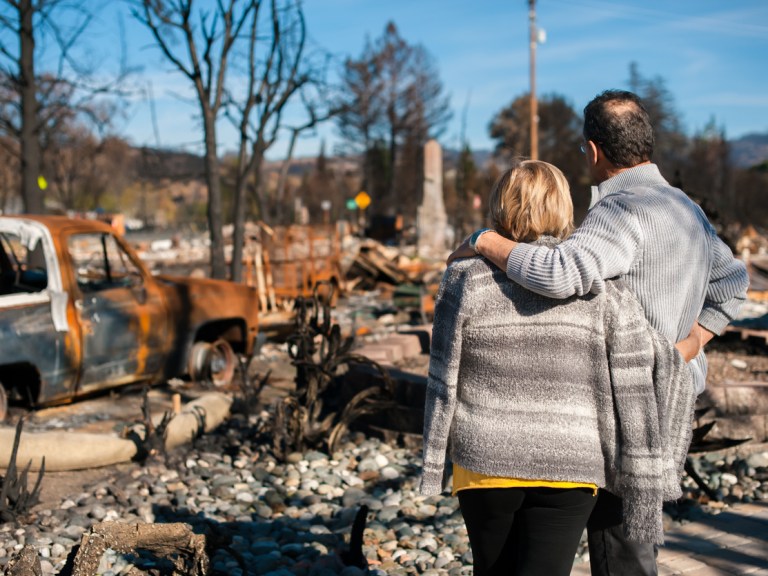
For the individuals and families forced to evacuate, the fires are more than just headlines—they are life-changing. Entire towns have been uprooted as flames move closer to residential areas. Some evacuation centers rapidly fill to capacity, leaving residents to search for alternative shelters. Many evacuees face uncertainty about whether they’ll have homes to return to.
These realities underscore the need for better urban planning to account for wildfire-prone zones. Current developments often encroach on areas highly susceptible to fires, creating a vicious cycle where more people are displaced with each disaster.
Broader Implications for Urban Safety and Climate Resilience
The Los Angeles fires expose the urgent need to rethink urban planning and fire safety across the U.S. Cities on the edges of wilderness face growing risks, especially as climate change accelerates the frequency and intensity of natural disasters. Structural adjustments—such as upgrading water infrastructure, managing vegetation near urban areas, and improving building codes—must become priorities.
Additionally, this crisis serves as a wake-up call for policymakers. Investments in climate resilience aren’t just about environmental preservation; they’re about safeguarding lives and preventing economic devastation. Lessons from these fires can inform strategies for communities nationwide as they prepare for a future that is, unfortunately, likely to include more extreme weather events.
A Path Forward
Los Angeles has long been a city of resilience and recovery. However, the fires raging today highlight vulnerabilities that can no longer be ignored. Addressing the misinformation surrounding this crisis is step one in fostering a shared understanding of the challenges. Beyond that, tackling water system limitations, adapting to climate realities, and rethinking urban development are vital steps toward preventing future disasters on this scale.
Through collaboration, investment, and innovation, we can build a more resilient Los Angeles and set an example for communities worldwide facing similar threats. The costs of inaction are simply too great to ignore.
Sacramento’s rising star Markas is back with a banger! His new single & visual, “Cal Worthington,” is dripping with West Coast vibes while delivering an anthem for the hustlers getting to it. It’s a perfect mix of throwback nostalgia and fresh energy that’ll have you hittin’ replay!
The track kicks off with a hard-hitting opening line: “They say a man seeking revenge should dig two graves,” setting the stage for a melodic beat that pulls you in instantly. The hook? “If you lookin’ for a car go see Cal. If you lookin’ for the money, come see us.” a super catchy vibe with smooth production.
Whether you’re riding through the city or grindin’ “Cal Worthington” is the ultimate soundtrack for staying motivated. Stay in the loop with Markas & follow him on socials HERE
Brick Citi Buddha, the New Jersey-based yogi, therapist, and emcee, is all about creating music that heals and resonates on a deeper level. Known for his vivid storytelling and introspective content, Buddha’s art reflects his journey and connects with fans seeking meaning and growth.
His track “Daddy Issues” dives into the challenges and triumphs he faced navigating a complexed relationship with his son’s mother, offering a raw and honest perspective on healing and self-discovery. Meanwhile, “Airplane Mode,” featuring Vertical Jones, invites listeners to see life from a higher vantage point, encouraging a shift in perspective and mindfulness.
As an artist, relationship counselor, and life coach, Brick Citi Buddha is on a mission to inspire and empower others through his music and message. His work challenges listeners to think deeply, explore their own journeys, and embrace new ways of understanding life’s complexities.
Buddha’s blend of conscious hip-hop and uplifting wisdom proves that music can be a powerful tool for transformation. Keep an eye on Brick Citi Buddha as he continues to spark change, one verse at a time. Look out for Buddha’s upcoming album Y.A.W.E.H (Yes All Wounds Eventually Heal) also stay in touch with him HERE
A Guide to Wildfire Relief Organizations in Los Angeles [UPDATED]
Organizations offering wildfire relief in LA. Access free clothes, transportation, housing, and food. Volunteer or donate to support recovery efforts.
The devastating wildfires in Los Angeles County have left many without homes, belongings, or a sense of security. During this time of need, various businesses and organizations have stepped forward to provide essential relief services. These initiatives are not only helping rebuild lives but also fostering hope and resilience within the community.
If you’ve been affected by these wildfires or want to support those who have, this guide covers the key organizations offering assistance, valuable resources, and ways you can get involved. Several Los Angeles Ambassadors like DJ Hed and Gina Views are on the ground in the middle of the fires and are sharing this type of info daily. Tap in with them for any other updates.
[UPDATE] DB From Sway in The Morning shared the MALAN Fire & Wind Storm Resources. This is an extensive list that is updated regularly. Check out the list HERE and please share with anyone in need.
Relief Services You Can Access Right Now
1. Snoop Dogg’s Clothing
Snoop Dogg’s Clothing is helping people get back on their feet by providing free clothing for adults and children affected by wildfires.
Location & Dates:
- 905 S. Prairie Blvd, Suite A, Inglewood, CA 90301
- January 9th & 10th, 11 AM to 7 PM
2. Lyft
Getting to safety is a priority, and Lyft is offering free rides (up to $25) to shelters within the affected areas.
How to Claim: Use code CAFIRERELIEF25 in the Lyft app.
3. Uber
Uber is also stepping up, providing free rides (up to $40) to shelters.
How to Claim: Use code WILDFIRE25 in the Uber app.
4. Platinum Group
The Platinum Group is going the extra mile with their free vehicle recovery services for those who have lost access to their vehicles due to the fires. They are also providing auto repairs, vehicle rentals, and storage solutions.
Emergency Contact:
- Phone: 310-913-2321
- Email: help@pmplatinumgroup.com
5. Project Pit
Project Pit is offering free transportation to senior citizens, parents with children, first responders, and volunteers.
Contact: Call 310-291-4691 to arrange transport.
6. The Dream Center
The Dream Center is providing essentials such as diapers, water, toiletries, and hot meals.
Location: 2301 Bellevue Ave, Los Angeles, CA 90026
7. Boys & Girls Clubs of Metro Los Angeles
All Boys & Girls Club locations in the area are opening their doors to youth ages 6–18.
Opening Hours:
- January 9th: 12:30 PM onward
- January 10th: 8 AM to 6 PM
8. PACSUN
PACSUN is contributing to relief efforts by providing free clothing to those in need.
9. Airbnb
For those displaced by the wildfires, Airbnb is offering temporary housing solutions. Visit their website or app to browse available listings under their emergency relief program.

Contributing to the Relief Efforts
10. Los Angeles Regional Food Bank
The LA Regional Food Bank is collecting food donations and recruiting volunteers to support families affected by the fires. Every contribution helps provide meals to those in need.
11. California Fire Foundation
This foundation collaborates with local fire departments to financially support residents impacted by disasters. Their Wildfire and Disaster Relief Fund directly aids victims by providing them with resources to rebuild.
12. League of California Community Foundations
The League of California Community Foundations is raising funds to support wildfire survivors. Past disaster efforts have focused on rebuilding homes, replacing belongings, and offering mental health services to families.
13. Anderson Munger Family YMCA
The YMCA in Koreatown is accepting donations of food, snacks, water, and emergency supplies for distribution to affected individuals.
Donation Location: Anderson Munger Family YMCA, Koreatown
14. International Medical Corps
With medical-grade expertise, the International Medical Corps is delivering hygiene kits, first-aid supplies, and other essentials to fire-stricken communities. Their team is also available to offer direct support to local health facilities if needed.

The Importance of Community Support in Wildfire Recovery
The impact of these wildfires goes far beyond the physical damage. Displacement, loss of essentials, and emotional trauma have left many in urgent need of support. These organizations aren’t just offering necessities—they’re restoring hope, providing psychological relief, and fostering a sense of community for the people of LA.
Every small act of generosity has a ripple effect. Whether you’re sharing this resource with someone in need, volunteering your time, or donating to one of these organizations, you’re contributing to a mosaic of support that strengthens the affected community.
How You Can Help
- Spread the Word: Share this guide with friends, family, and social media networks so these resources reach those who need them most.
- Volunteer Your Time: Organizations like the Los Angeles Regional Food Bank and International Medical Corps are seeking volunteers to help distribute essentials.
- Make a Donation: Support groups like the California Fire Foundation and League of California Community Foundations by donating to their relief funds.
- Follow for Updates: Stay connected to these organizations on social media to get real-time information about their relief efforts and additional ways to help.
Together, we can support the recovery of Los Angeles and ensure brighter days ahead for those impacted by the wildfires.
California is once again battling devastating wildfires, with multiple blazes threatening thousands of lives, property, and the environment. These fires are a stark reminder of the ongoing challenges posed by climate change and extreme weather conditions in the state.
If you’re a California resident, an emergency responder, or someone passionate about environmental issues, this guide will keep you informed about the current wildfires, their impact, and actionable steps you can take to stay safe.
Where Are the Fires?
Several fires are currently burning across Southern California, with the largest being the Palisades Fire. Here’s a breakdown of the most significant incidents.
The Palisades Fire
The Palisades Fire started on Tuesday morning in the Pacific Palisades neighborhood, east of Malibu. It grew rapidly, reaching 17,234 acres by Thursday morning, making it the most destructive wildfire in Los Angeles history.
The Eaton Fire
Igniting Tuesday night near a canyon in the national forest lands north of downtown Los Angeles, the Eaton Fire expanded to 10,000 acres by Wednesday, according to the U.S. Forest Service.
The Hurst Fire
This fire erupted Tuesday night in Sylmar, a suburban area north of San Fernando. It grew quickly to 500 acres and has now stretched to 855 acres with 10% containment.
The Sunset Fire
Sparking Wednesday evening in the Hollywood Hills near Runyon Canyon, this fire rapidly spread to 60 acres and triggered mandatory evacuations.
The Lidia Fire
Breaking out near Acton on Wednesday afternoon, the Lidia Fire grew to 348 acres by evening and is currently 40% contained.
How Many People Are Affected?
The scale of the evacuations and displacements is staggering.
- 100,000 people have been evacuated due to the Eaton Fire, with another 100,000 on standby in case evacuation becomes necessary.
- 37,000 residents in the Palisades Fire were ordered to evacuate from Calabasas, Malibu, and parts of Los Angeles.
- 3,000 individuals in Sylmar are under emergency evacuation orders due to the Hurst Fire.
These numbers underline the urgency to follow evacuation orders and prioritize safety.
Have There Been Deaths or Injuries?
Unfortunately, the fires have already resulted in significant losses.
- The Eaton Fire alone has claimed the lives of five individuals, according to officials.
- There have been numerous injuries, particularly in the Palisades Fire, where residents who stayed behind to protect their property were hurt.
- The severity of these incidents underscores the importance of evacuating as soon as orders are given.
How Much Damage Have the Fires Done?
The destruction is widespread and heartbreaking.
- 1,000 homes and businesses have been destroyed in the Palisades Fire, with another 100 structures lost in the Eaton Fire.
- Iconic landmarks like the Pasadena Jewish Temple and Center were severely damaged.
- Malibu’s beachfront neighborhoods saw multiple homes reduced to rubble.
- A preliminary analysis by insurance experts estimates that losses from these fires could surpass $10 billion, marking one of California’s most costly fire seasons.
What’s Fueling the Fires?
A combination of factors has created the perfect conditions for these devastating wildfires.
Extreme Weather
Southern California has experienced less than 10% of average rainfall since October 1, leading to drought-like conditions. These dry conditions, paired with powerful offshore winds reaching up to 70 mph, have intensified the fire risk.
Climate Whiplash
According to experts like Daniel Swain, the state’s climate is now swinging between extremes—prolonged droughts interspersed with heavy rainfall events, creating conditions conducive to wildfires. These oscillations are a direct result of a warming climate and are becoming more frequent and consequential.
When Will These Conditions Ease?
Red flag warnings remain in effect across Southern California until Friday. This means residents should remain on high alert. Los Angeles County Fire Chief Anthony Marrone emphasized the need to prioritize safety during this critical period, urging residents to stay informed and follow official guidelines.
How to Stay Safe During California Wildfires
If you’re affected by or near the wildfires, here are some crucial safety tips to follow.
1. Stay Updated
Monitor official channels, local news stations, and reputable sources like the California Department of Forestry and Fire Protection (Cal Fire) for real-time updates and evacuation orders.
2. Prepare an Emergency Kit
Keep an emergency kit ready with essentials such as water, non-perishable food, medications, important documents, flashlights, and first-aid supplies.
3. Follow Evacuation Orders
Do not hesitate to evacuate if ordered. Your safety and that of your family come first. Pre-plan evacuation routes and ensure your vehicle has a full tank of gas.
4. Protect Your Home
If time allows, clear debris, leaves, and flammable materials from around your property. Use fire-resistant materials whenever possible.
5. Prepare for Power Outages
Charge your devices and keep battery-powered flashlights and radios on hand.
6. Support Local Communities
Help those directly impacted by the fires by donating to shelters and non-profit organizations. Volunteering your time can also make a big difference.
7. Take Care of Your Mental Health
The stress of wildfires can be overwhelming. Don’t hesitate to seek emotional support or talk to a mental health professional.
A Look at the Bigger Picture
The ongoing California wildfires highlight the urgent need for climate action and improved wildfire management strategies. Addressing the root causes, such as climate change and inadequate water resource management, will be critical to reducing the frequency and intensity of these disasters in the future.
At the same time, it’s vital to continue educating communities about wildfire preparedness and building resilience against these increasingly common threats.
The California wildfires serve as a powerful reminder of nature’s unpredictability. While the devastation is immense, staying informed and prepared can help minimize risk and protect lives.
For those directly affected, take immediate action to ensure your safety and consider supporting relief efforts. Together, we can weather this crisis and rebuild stronger than before.