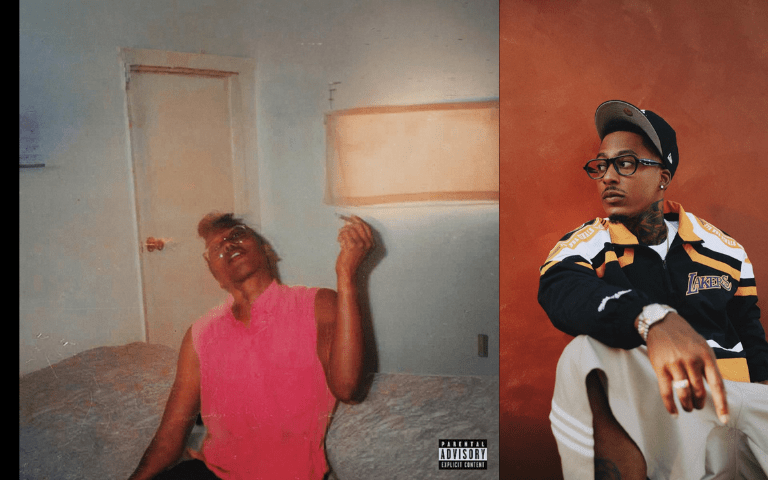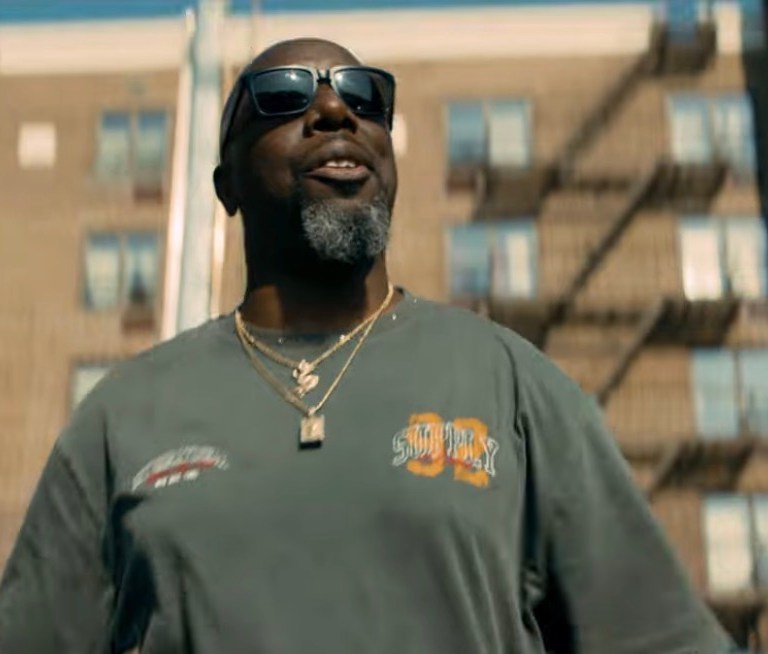

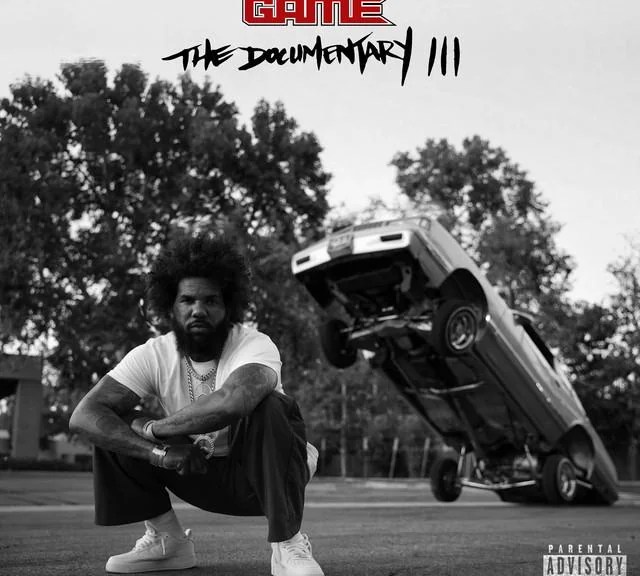
Compton’s own The Game returns with The Documentary III, a 24-track album that feels like much more than another chapter in one of hip-hop’s most recognizable album series. Packed with a wide range of features from Snoop Dogg, Lil Wayne, RJmrLA, LIT PAPI, Drakeo, Leon Thomas and more, Game uses the project to revisit his legacy while making it clear that he still has plenty to say.
From the opening track, “Geezus,” Game immediately sets the tone. Flipping Twista’s classic “Overnight Celebrity,”the record sounds like a direct message aimed at someone, or perhaps everyone who has questioned his name, artistry and position in hip-hop. There’s an undeniable level of frustration throughout the record, but there’s also confidence. Game sounds like an artist who has spent years watching people debate his legacy and has finally decided to answer those conversations through the music.
That energy carries into the second track, “Hate It or Love It,” where Game revisits the spirit of his iconic record with Snoop Dogg. His declaration that he’s going to be “the underdog until I die” feels direct. After everything Game has accomplished from his early rise alongside the West Coast movement to becoming a multi-platinum artist and one of Compton’s most recognizable rap voices, he still views himself as someone fighting to prove his worth. It raises the question: Is The Documentary III Game’s revenge album?
On first listen Game has a sense of “I’m going to show you” throughout the project. Game appears tired of his name being questioned and his contributions to hip-hop being overlooked or debated. Instead of simply reminiscing about his past, he uses The Documentary III as an opportunity to remind listeners why his name has remained relevant for so long.
The album’s extensive guest list also speaks to Game’s ability to connect different generations of hip-hop. From established legends like Snoop Dogg and Lil Wayne to West Coast representatives like RJmrLA and LIT PAPI, and artists such as Drakeo and Leon Thomas, the project moves across different sounds and eras while remaining rooted in Game’s Compton identity. The collaborations give the album a broad range while allowing Game to remain at the center of the conversation.
What makes The Documentary III intriguing is that it doesn’t feel like Game is simply trying to recreate the past. Instead, he’s confronting the present while reflecting on everything that brought him here. The title alone carries weight. The original The Documentary helped introduce Game to the mainstream and cemented his place in West Coast hip-hop. Now, years later, The Documentary III feels like Game looking back at that journey and asking whether people truly understand the impact he’s had.
At this stage of his career, Game doesn’t necessarily need another hit record to prove that he belongs. But judging from the attitude behind The Documentary III, he still feels like he has something to prove anyway. And maybe that’s the real message behind the album.
With 24 tracks, major collaborations and a direct and message about his place in West Coast rap, The Documentary III plays like a conversation between The Game and the people who have questioned him along the way. Whether you call it a revenge album, a legacy statement or simply another chapter in his story, Game makes one thing clear: he’s still fighting for his respect, and he’s not ready to stop being the underdog.