
Starting a fitness journey is often filled with excitement, but as the weeks turn into months, the initial “honeymoon phase” can fade into frustration. Many of us hit a wall where we feel like we are putting in the work but not seeing the immediate, dramatic results we expected. In a recent discussion on Sway in the Morning, resident health expert Dr. Akanni Salako, founder of The Wellness Lab, joined the crew to break down the science of transformation, the necessity of weightlifting, and why your body might be changing even when you can’t see it in the mirror yet.
Overcoming the Fear of “Bulking Up”
One of the biggest hurdles for women entering the gym is the fear of resistance training. Heather B shared her own honest struggle, admitting that despite being on a wellness program since January, she was hesitant to pick up weights. “I didn’t want to walk around looking like She-Man,” she joked, echoing a common misconception that lifting heavy leads to an overnight “bulky” or “defeminized” physique.
Dr. Salako’s advice was simple: you have to add the weights. Strength training is the engine of body transformation. While bodyweight exercises and cardio have their place, resistance training creates the metabolic demand necessary to change your body composition. Heather noted that even with 5 or 10-pound weights, the high repetitions and consistency led to a level of soreness and muscle engagement she hadn’t experienced before. This “burn” is a signal that the body is being challenged to grow and adapt.
The Bucket Analogy: Why You Can’t Spot-Reduce Fat
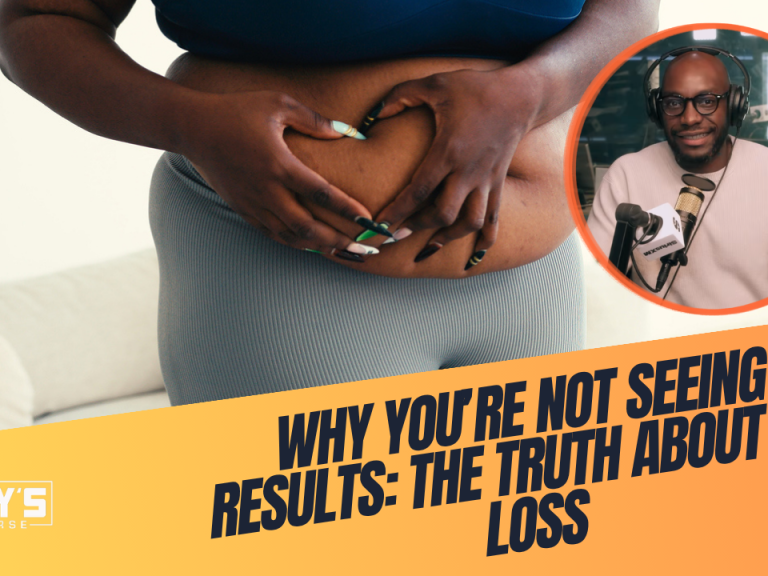
A common point of frustration for many is “stubborn fat.” You might be working out consistently but feel like your stomach or arms aren’t changing. Dr. Salako uses a brilliant analogy to explain how fat loss actually works: The Bucket of Water.
Imagine your body fat is a bucket of water. If you take a cup of water out of the right side, the water level doesn’t just drop on the right; it evens out across the entire bucket. Your body works the same way. You cannot choose where the fat comes from first. Some people notice weight loss in their face, others in their hands or feet, and others in their midsection. Just because you don’t see it in your “fixated” areas doesn’t mean the process isn’t working. Consistency is the only way to eventually reach those stubborn areas.
Understanding Your Body: Discomfort vs. Pain
Knowing when to push and when to stop is critical for long-term success. Tracy G raised an important question during the segment: How do we know the difference between the “good” burn of transformation and the “bad” pain of injury?
Dr. Salako provided a clear rule of thumb for anyone in the gym:
- The 60-Second Rule: If you feel an intense burn during an exercise, it should subside after about 60 seconds of rest. If the sensation lingers long after you’ve stopped the set, it may indicate that you are pushing into actual injury territory rather than just muscle fatigue.
- Leaning into the Burn: Exercise is essentially the process of breaking muscle down so it can grow back stronger. If you aren’t pushing your limits to the point of fatigue, you aren’t creating the stimulus needed for change.
- Functional Limits: While pushing limits is good, Dr. Salako warns against ego lifting. Unless you are a professional bodybuilder, there is a limit to how much stress your joints should handle. The goal should be health and longevity, not necessarily squatting 500 pounds at the expense of your spine.
The Power of Functional Movement
Why do we lift weights in the first place? It’s not just about aesthetics; it’s about longevity. Dr. Salako focuses on five primary functional movements with his clients:
- Squat
- Push
- Pull
- Hinge
- Carry
These movements translate directly to real-life activities. For example, practicing a goblet squat or a back squat in the gym ensures that as you age, you can sit down and stand up from a chair without needing to use your hands. Building strength in your legs is particularly important because the lower body carries a significant portion of your muscle mass, which helps support overall metabolism and joint health.
The Mental and Hormonal Edge
Wellness isn’t just a physical game; it’s a mental and hormonal one. A caller named Lawrence, a 59-year-old veteran, shared how working out has become a non-negotiable part of his life. For him, the gym is a “mindset.” If he skips a day, he feels sluggish and tired. This is because exercise triggers the production of essential hormones that regulate mood and energy.
The discussion also touched on the importance of internal health markers, such as testosterone levels. Lawrence noted that his levels had dropped significantly, affecting his energy and gym performance, until he sought medical advice. Sway also emphasized the importance of getting full checkups to monitor liver function, kidney health, and blood pressure. You can look great on the outside, but your internal “engine” needs to be monitored just as closely.
Key Takeaways for Your Wellness Journey
- Trust the Process: Just because you don’t see changes in your mirror “target zones” doesn’t mean you aren’t losing fat elsewhere.
- Prioritize Strength: Don’t fear the weights. Resistance training is essential for changing body composition and maintaining bone density.
- Focus on Function: Train for your life. Focus on squats, pushes, and pulls to ensure you stay mobile and independent as you age.
- Listen to the Signals: Use the 60-second rule to distinguish between productive muscle fatigue and potential injury.
- Check Your Markers: Don’t guess, test. Monitor your testosterone, blood pressure, and internal organ health through regular doctor visits.
Transformation is rarely a straight line, and it’s almost never as fast as we want it to be. As Dr. Salako reminded Heather B and the listeners, the “best part” of the journey is the thick of it, the period where consistency is the only thing left to do. By focusing on functional movements, leaning into the discomfort of the “burn,” and keeping a close eye on internal health markers, you can ensure that your fitness routine leads to a higher quality of life for years to come. Whether you’re just starting out or you’ve been training for 40 years like Lawrence, the goal remains the same: keep moving, stay consistent, and trust the science.