
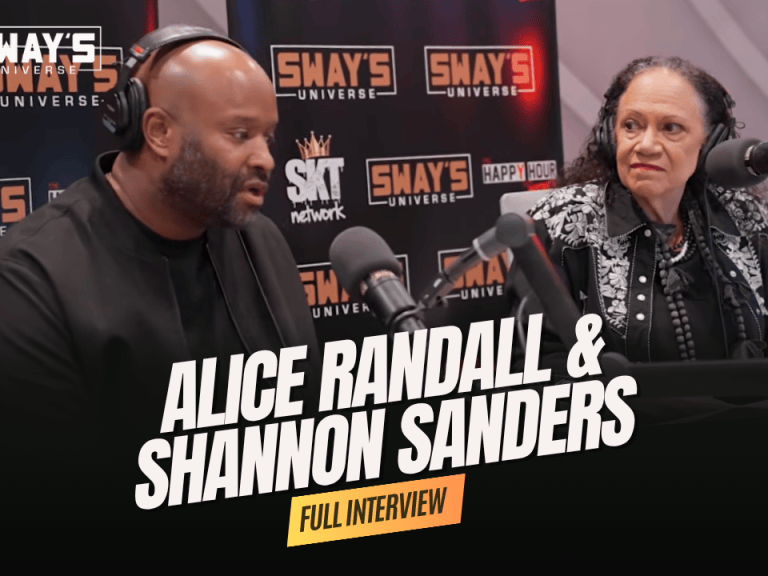
Country music’s history is often told through a narrow lens, one that leaves out the Black artists, songwriters, and innovators who built its foundation. In a recent conversation on Sway In The Morning, two Nashville titans, Alice Randall and Shannon Sanders, set the record straight.
Alice Randall made history as the first Black woman to write a number-one country song, “XXX’s and O’s (An American Girl),” and has spent over four decades on Music Row. Shannon Sanders, a three-time Grammy and Emmy winner and Executive Director of Creative at BMI Nashville, joined her for a masterclass on the past, present, and future of Black country music.
Detroit Roots and Front-Row Genius
Alice Randall’s story doesn’t start in Nashville. She was born in Detroit the same year as Motown Records, surrounded by Black excellence as the norm. Her father’s friendship with the Gordy family gave her a front-row seat to music history. She remembers watching Smokey Robinson and Marvin Gaye in their early days; Gaye even worked briefly for her father, letting Alice hear demos before they became demos. She also credits Anna Gordy, who founded Anna Records a year before her brother Berry launched Motown, for shaping her belief in what Black creators could achieve. That upbringing became her armor when she arrived in Nashville, not seeking permission, but already knowing Black artists had laid the genre’s groundwork.
The Banjo, Jimmie Rodgers, and an Erased Legacy
Randall’s research dismantles the “whitewashed” version of country music history. Black people invented the banjo, she notes, a fact the industry long ignored. She points to “Blue Yodel No. 9,” one of country music’s most celebrated recordings by Jimmie Rodgers, as proof. The session also featured Louis Armstrong and his wife, Lil Hardin Armstrong, a classically trained pianist and Fisk University alumna who played on every bar of the track. For years, historians denied any Black involvement, then begrudgingly acknowledged Louis while still erasing Lil. Johnny Cash called it the greatest country song ever recorded. Randall calls the genre what it truly is: an Afro-Celtic hybrid, co-created by Black musicians since its earliest days.
Beyoncé, Cowboy Carter, and Nashville’s Reckoning
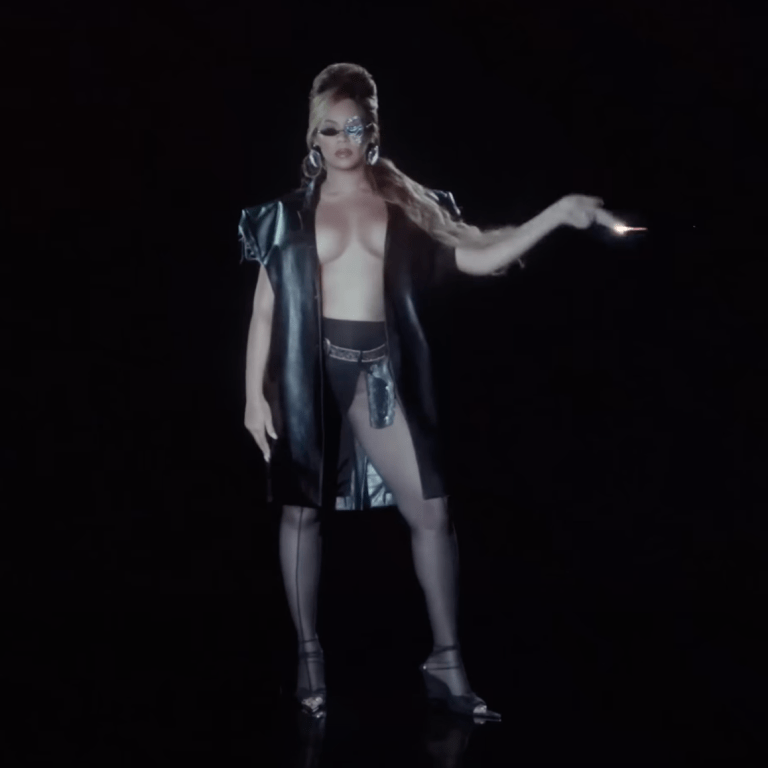
The conversation turned to Beyoncé’s Cowboy Carter, which Sanders called “enormous” in impact. “It gave a lot of people permission to really come home,” he said, describing the Black experience in country music as being locked out of a house they helped build. “Beyoncé didn’t just knock; she kicked the door in and said, ‘We belong here.'” Still, both guests agree Nashville’s establishment has far to go. Randall, a 40-year CMA voting member, recalled skipping the awards after Beyoncé’s Lemonade-era country work was snubbed, comparing the fight for inclusion to throwing elbows for every inch of ground.
Build the House Yourself
Sanders offered a different lens for Black creators: stop seeking validation from gatekeepers who never built space for them. “I think we spend a lot of time as Black creators in that space seeking acceptance and validation instead of building this out for ourselves,” he said. His advice is to start with the community rather than waiting on mainstream rejection. Institutions like Fisk University and Tennessee State University play a key role here, archiving history and reminding the next generation that they aren’t invading country music, they’re reclaiming it.
Black Joy as Radical Healing
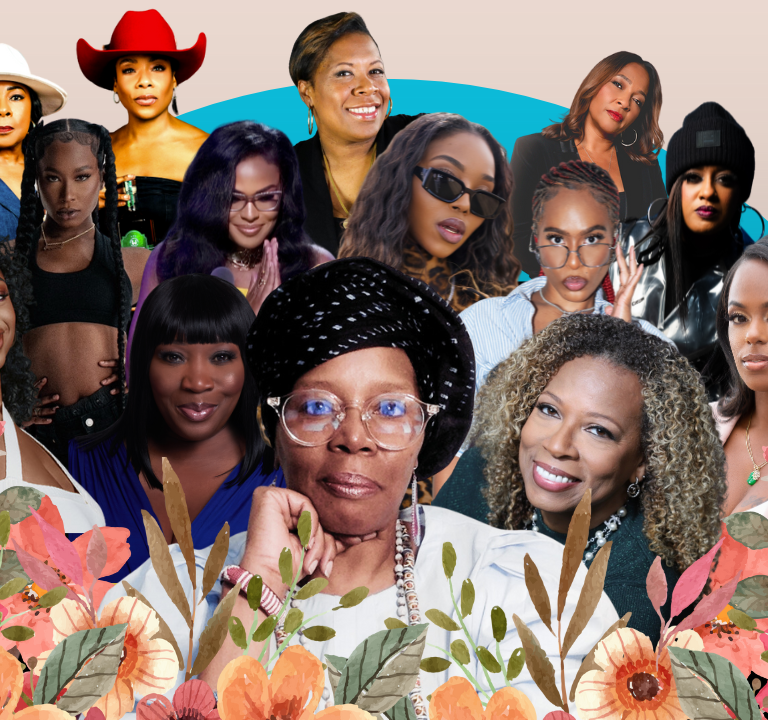
Randall’s latest project, My Black Country, treats music as a tool for healing, turning what’s “too hard to bear” into beauty. For her, Black joy itself is a radical act, one she finds in her own songwriting and in rising artists like Mickey Guyton and Rissi Palmer.
The Future Is Black Country
Nashville’s road to equity remains long, but Randall and Sanders show the movement is gaining real momentum. By reclaiming their history, Black artists are ensuring country music finally reflects everyone who built it. As Randall puts it, the goal is finding a place where you feel “at one with yourself,” whether through a book, a song, or a conversation that finally tells the truth.